MBA Program Structure A Comprehensive Overview
MBA Program Structure is essential for understanding the framework of graduate business education. It encompasses a variety of components that shape the academic journey of aspiring business leaders. Recognizing the structure not only aids prospective students in making informed decisions, but it also highlights the diversity across institutions, each offering unique opportunities and experiences.
From core courses that lay the groundwork for essential business concepts to specialized electives that tailor education to specific career paths, the MBA Program Structure provides a roadmap for success. Additionally, the inclusion of internships, capstone projects, and support systems ensures a well-rounded development, preparing students for the challenges of the business world.
Overview of MBA Program Structure

Source: indiacsr.in
An MBA program typically consists of a structured curriculum designed to provide students with a comprehensive understanding of business management principles. This program is aimed at developing the skills necessary for leadership roles in various sectors. Understanding the structure of an MBA program is crucial for prospective students as it helps them navigate their educational journey effectively and align their career goals with the right specialization and courses.The structure of MBA programs generally includes core courses, electives, and experiential learning components, which may vary slightly from one institution to another.
Core courses often cover essential topics such as finance, marketing, operations, and strategy, while electives allow students to tailor their education to specific interests or career paths.
Core Curriculum and Electives
The core curriculum forms the backbone of the MBA experience and is designed to equip students with fundamental business skills. A typical core curriculum may include subjects such as:
- Financial Accounting
- Managerial Economics
- Organizational Behavior
- Marketing Management
- Operations Management
- Business Strategy
Electives, on the other hand, allow students to explore specialized areas of interest. This flexibility is important as it enables students to gain expertise in fields that align with their career aspirations. Popular elective courses might include:
- Entrepreneurship
- Data Analytics
- Supply Chain Management
- International Business
Experiential Learning Opportunities
Experiential learning is a vital aspect of many MBA programs, providing students with practical experience through real-world projects, internships, and case studies. This hands-on approach enhances the traditional classroom learning by bridging theory with practice. Examples of experiential learning components include:
- Capstone projects where students consult for real businesses
- Internships that offer professional exposure and networking opportunities
- Business simulation games that mimic real market conditions and challenges
The emphasis on experiential learning not only enriches the educational experience but also prepares students for the complexities of the business environment.
Variations Across Institutions
While there are common elements in MBA program structures, variations exist depending on the institution’s focus and philosophy. Some schools may emphasize a particular area, such as technology management or social entrepreneurship, while others might offer a more generalist approach. For instance, top-tier business schools often provide a rigorous curriculum with a strong emphasis on leadership and strategic thinking. In contrast, online MBA programs may offer a more flexible structure, catering to working professionals with varied schedules.Understanding these variations allows prospective students to choose a program that best aligns with their career objectives and learning preferences.
This knowledge can significantly influence their overall academic experience and future career success.
Core Curriculum Components
Source: gsbl.in
The core curriculum of an MBA program serves as the backbone of the education, providing essential knowledge and skills that every business leader must possess. These foundational courses are designed to equip students with a comprehensive understanding of various business disciplines, preparing them for the complexities of the corporate world.Core courses are significant because they lay the groundwork for advanced topics and specialized tracks that may follow.
They not only enhance critical thinking and analytical skills but also foster a well-rounded perspective on business operations. Students gain insights into strategy, finance, marketing, and management, which are crucial for effective decision-making and leadership.
Typical Core Courses Included in MBA Programs
Understanding the typical core courses can highlight the essential competencies taught in MBA programs. These courses are designed to develop a solid foundation in business principles. Common core courses include:
- Leadership and Organizational Behavior
- Financial Accounting
- Managerial Economics
- Marketing Management
- Operations Management
- Strategic Management
- Business Ethics
- Quantitative Methods for Business
These courses impart critical knowledge and skills that can be applied in various business contexts, ensuring that graduates are well-prepared for the challenges they will face in their careers.
Comparison of Core Curriculum Requirements from Various Universities
Different universities may have unique approaches to their MBA core curriculum, but many share common elements. The following table compares core course requirements across several reputable institutions:
| University | Core Courses |
|---|---|
| Harvard Business School | Leadership, Financial Accounting, Marketing, Operations, Financial Management |
| Stanford Graduate School of Business | Economics, Finance, Marketing, Operations, Strategy |
| Wharton School of the University of Pennsylvania | Accounting, Finance, Marketing, Operations, Strategy, Management |
| MIT Sloan School of Management | Finance, Marketing, Operations, Economics, Organizational Processes |
This comparison illustrates the core components of MBA programs at various universities, reflecting their commitment to providing a robust foundational education for aspiring business leaders. By studying these core areas, students can develop a comprehensive skill set that will serve them throughout their careers, ultimately enhancing their leadership capabilities and business acumen.
Elective Courses and Specializations: MBA Program Structure
Elective courses play a crucial role in an MBA program, allowing students to tailor their educational experience to their personal interests and career aspirations. These courses provide the flexibility to explore specific areas of business that align with individual goals and professional paths. By selecting electives, students can gain deeper insights into particular fields, enhancing their expertise and marketability in the competitive job landscape.Electives not only complement the core curriculum but also foster a more personalized learning environment.
They enable students to specialize in areas that are critical to their intended career trajectories. Popular specializations often emerge based on current industry trends and demands, allowing students to position themselves strategically within the job market.
Popular Specializations in MBA Programs
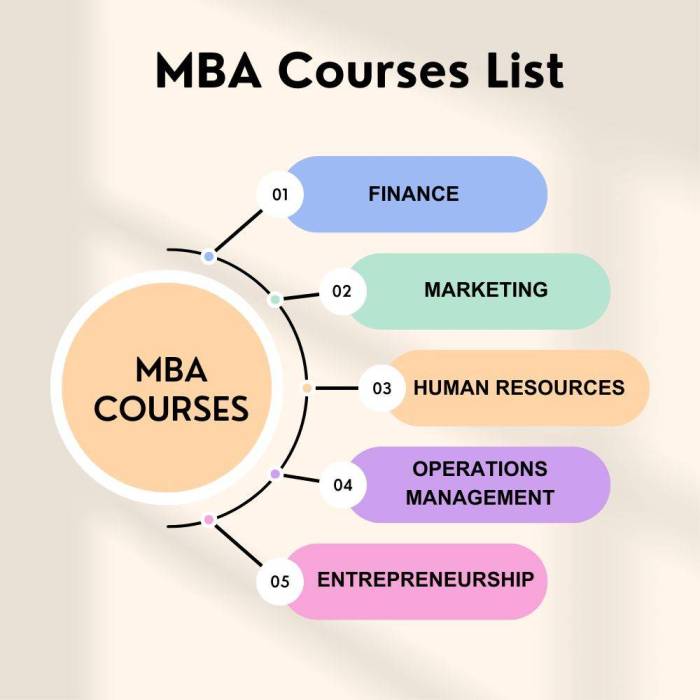
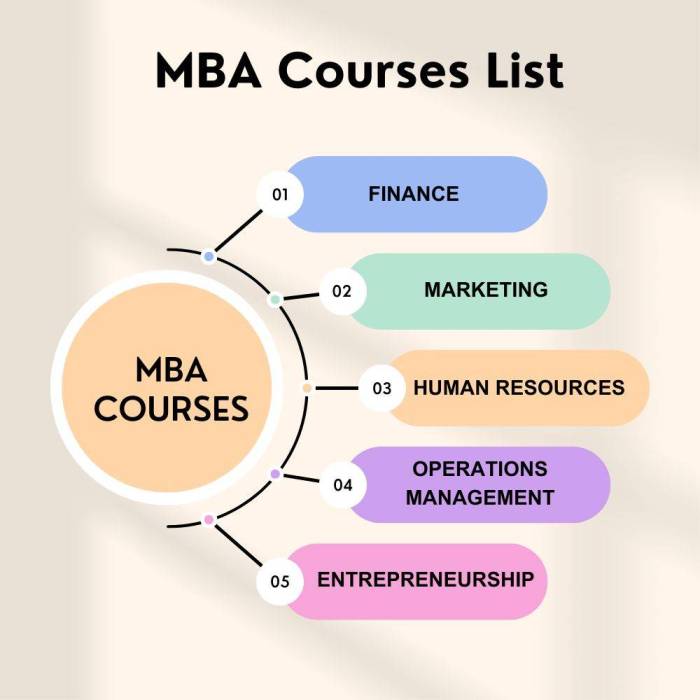
The range of specializations available in MBA programs is vast, reflecting the diverse needs of modern businesses. Some of the most sought-after specializations include:
- Finance: Focuses on investment strategies, financial analysis, and risk management, preparing students for careers in banking, investment, and corporate finance.
- Marketing: Covers consumer behavior, digital marketing, and brand management to equip students for roles in advertising, market research, and product development.
- Operations Management: Teaches strategies for optimizing production and service delivery processes, ideal for those looking to work in supply chain management or logistics.
- Human Resources Management: Explores talent acquisition, organizational behavior, and employee relations, targeting careers in HR leadership and organizational development.
- Entrepreneurship: Focuses on innovation and startup management, giving aspiring entrepreneurs the tools to launch and grow their own businesses.
Each specialization provides students with unique insights and skills, enhancing their ability to drive value in specific business contexts.
Selecting Electives to Align with Career Goals
Choosing the right electives is essential for aligning academic pursuits with career objectives. A strategic approach involves several steps:
1. Self-reflection
Assess personal interests and long-term career aspirations. Understanding one’s strengths and passions is crucial in selecting electives that will be both enjoyable and beneficial.
2. Research
Investigate industry trends and job market requirements. Insights from field professionals or alumni can provide valuable guidance on which specializations are currently in demand.
3. Consultation
Engage with academic advisors or mentors who can offer personalized advice based on individual goals and the current landscape of the business world.
4. Networking
Connect with peers and industry professionals. Participating in networking events can offer perspectives on which electives might offer the best return on investment in terms of career advancement.By following these steps, MBA students can effectively choose electives that will not only deepen their knowledge but also enhance their employability and satisfaction in their future careers.
Program Duration and Format
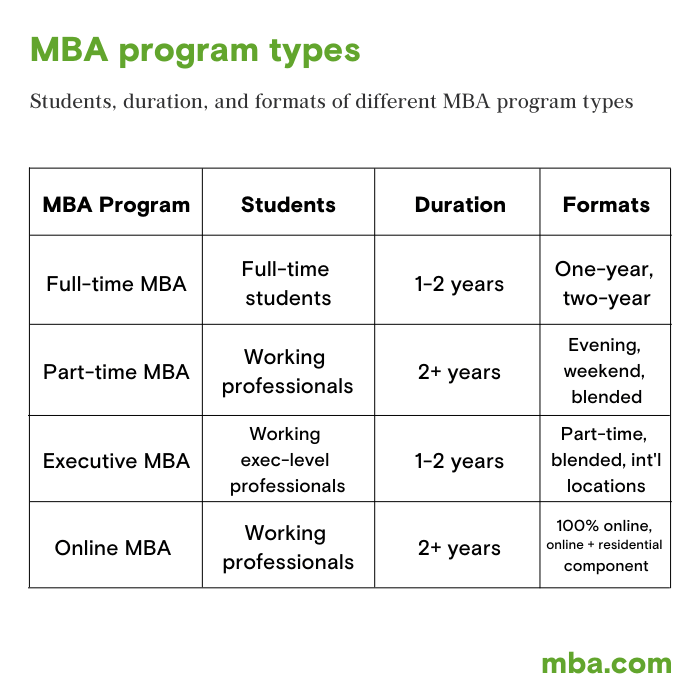
The duration and format of MBA programs are essential factors to consider when planning your path to an advanced business education. Understanding the various options available can help prospective students choose a program that aligns with their personal and professional commitments. MBA programs generally range in length and structure, catering to different lifestyles and learning preferences.The standard duration of full-time MBA programs typically spans two years, while accelerated programs can complete the curriculum in as little as one year.
On the other hand, part-time MBA formats may extend the duration to three years or more, as they allow students to balance work and study. Online MBA programs offer flexibility in duration, enabling students to progress at their own pace, potentially finishing within two to four years.
Comparison of MBA Program Formats
Understanding the differences among full-time, part-time, and online MBA programs is crucial for making an informed decision. Each format comes with its own set of advantages and disadvantages that cater to diverse student needs and circumstances.
| Format | Pros | Cons |
|---|---|---|
| Full-Time |
|
|
| Part-Time |
|
|
| Online |
|
|
“Choose the format that best aligns with your career goals and personal circumstances.”
Capstone Projects and Internships
Capstone projects and internships are pivotal components of an MBA program, bridging theoretical knowledge with practical application. These elements are designed to enhance the learning experience, enabling students to apply concepts to real-world challenges and prepare them for the complexities of the business world.The significance of capstone projects in MBA programs lies in their capacity to synthesize learning across various disciplines.
These projects typically require students to work on a substantial problem or case study, often in collaboration with businesses or organizations. By doing so, students develop critical thinking, project management, and teamwork skills, which are essential competencies in any managerial role. Capstone projects also provide a platform for students to showcase their expertise and creativity, often resulting in innovative solutions that can benefit organizations.
Common Internship Requirements and Their Impact on Learning, MBA Program Structure
Internships are an integral part of the MBA curriculum, allowing students to gain hands-on experience in their chosen fields. Common internship requirements typically include securing a position within a company relevant to the student’s career goals, completing a minimum number of hours, and often, preparing a report or presentation summarizing the experience and insights gained. These practical experiences are invaluable, as they enable students to apply classroom theories to real-world situations, enhance their resumes, and build professional networks.The impact of internships on learning cannot be overstated.
They provide students with opportunities to observe and engage in business operations, develop professional relationships, and understand workplace dynamics. For example, a marketing intern may work on a real campaign, allowing them to see the application of marketing theories and strategies in practice. This direct exposure to the industry prepares students for post-graduate employment and enhances their overall educational experience.
Procedures for Successfully Completing a Capstone Project
Successfully completing a capstone project requires careful planning and execution. Below are key procedures that can help ensure a smooth journey from conception to presentation:To effectively navigate the capstone project, students should follow these procedures:
- Select a Relevant Topic: Choose a project that aligns with personal interests and career goals while addressing a specific problem or opportunity in a business context.
- Formulate a Clear Problem Statement: Define the problem or question that the project will address, ensuring it is specific and actionable.
- Conduct Comprehensive Research: Gather data and insights from various sources, such as academic literature, industry reports, and expert interviews, to support the project.
- Develop a Project Plan: Create a timeline outlining key milestones, deliverables, and deadlines to stay organized and on track.
- Collaborate with Peers and Advisors: Engage with classmates, faculty, and industry mentors to receive feedback and insights throughout the project.
- Implement Solutions: Execute the project by applying theoretical frameworks and methodologies to develop actionable solutions.
- Prepare a Comprehensive Report: Document findings, methodologies, and recommendations in a structured report that demonstrates analytical skills and insight.
- Present Findings: Deliver a compelling presentation to stakeholders, showcasing the project’s outcomes and its relevance to real-world applications.
Assessment Methods
In MBA programs, assessment methods play a crucial role in gauging students’ understanding, skills, and application of knowledge. These methods vary widely, ensuring that students are assessed through various lenses, providing a comprehensive view of their capabilities. The blend of traditional and innovative evaluation techniques helps to prepare graduates for the dynamic challenges of the business world.A diverse array of assessment methods is essential for evaluating student performance effectively.
By utilizing multiple approaches, programs can capture a broader spectrum of competencies, from theoretical knowledge to practical skills and interpersonal communication. Diverse assessments also cater to different learning styles, allowing all students to showcase their strengths while identifying areas for improvement.
Assessment Techniques
Several assessment techniques are commonly employed in MBA programs. Each method has its unique advantages and contributes differently to the overall assessment strategy. Below is a comparison of major assessment techniques along with their typical weightage in an MBA program:
| Assessment Method | Description | Weightage (%) |
|---|---|---|
| Examinations | Formal tests that evaluate students’ grasp of core concepts and theories. | 30 |
| Group Projects | Collaborative assignments that assess teamwork, leadership, and practical application of knowledge. | 25 |
| Presentations | Opportunities for students to convey their ideas and findings, showcasing their communication skills. | 20 |
| Class Participation | Marks earned through engagement in discussions, demonstrating understanding and analytical abilities. | 10 |
| Case Studies | Analyses of real-world business scenarios that allow students to apply theoretical concepts practically. | 15 |
The combination of these assessment methods ensures that students are not only knowledgeable but also adept at applying their learning in practical settings. Through examinations, students can demonstrate their theoretical understanding, while group projects and presentations develop their collaborative and communication skills, essential for any business leader.
“The true measure of an MBA program’s success is its ability to cultivate versatile, well-rounded leaders through diverse assessment strategies.”
Faculty and Mentorship
The faculty in an MBA program play a crucial role in shaping the educational experience by providing expertise, guidance, and support. Their diverse backgrounds and experiences enrich the curriculum and help students navigate the complexities of business education. The structured interaction with faculty members contributes significantly to developing critical thinking and practical skills, which are essential for future leaders.Mentorship opportunities are an essential component of the MBA experience, offering students personalized guidance and support.
Mentors, often faculty members or industry professionals, provide insights that enhance the learning experience, foster networking opportunities, and help students align their career ambitions with their educational journey. This relationship can significantly influence students’ professional trajectories and personal growth.
Engaging with Faculty and Mentors
Effective engagement with faculty and mentors can maximize the benefits of the MBA program. To foster a productive relationship, consider the following best practices:
Be proactive in communication
Regularly reach out to faculty members and mentors to discuss academic progress, seek advice, or share insights. This demonstrates initiative and a commitment to learning.
Attend office hours
Utilize faculty office hours for personalized interactions. This is an excellent opportunity to ask questions, delve deeper into course material, and build rapport.
Participate in workshops and seminars
Engage in extra-curricular activities organized by faculty, such as workshops, guest lectures, and seminars, to gain additional knowledge and establish connections.
Seek feedback
Actively request constructive feedback on assignments and projects. This will not only improve performance but also show faculty your dedication to personal growth.
Network within the community
Attend networking events and engage with alumni and guest speakers. Building relationships outside the classroom can provide valuable mentorship opportunities.
Set clear goals
Communicate your academic and career goals with mentors. This allows them to provide tailored advice and support aligned with your aspirations.
Engage in collaborative projects
Participate in projects or research with faculty members. This collaboration can enhance your learning experience and open doors to future opportunities.
“Building strong relationships with faculty and mentors can profoundly impact your MBA journey, providing you with the tools and insights needed to succeed.”
Alumni Network and Career Support
An MBA program’s structure often emphasizes the importance of career support and the invaluable connections that come from a robust alumni network. These elements not only enhance the learning experience but also provide critical resources for students as they transition into the professional world. With dedicated career services and a strong alumni community, students are equipped to navigate their career paths effectively.
Career Placement Support
MBA programs typically include a range of career placement services designed to help students secure their desired positions in various industries. These services are essential for guiding students through the job search process and preparing them for successful careers. Key components of career placement support often include:
- Personalized Career Coaching: Students receive tailored guidance from career advisors who assist in resume building, interview preparation, and job search strategies.
- Job Fairs and Recruitment Events: Many programs host exclusive job fairs where students can connect directly with potential employers and explore various job opportunities.
- Internship Placement Assistance: MBA programs frequently offer support in securing internships, which are crucial for gaining practical experience and making industry connections.
- Networking Opportunities: Students are encouraged to participate in networking events and workshops that can lead to valuable professional connections.
Benefits of an Active Alumni Network
The strength of an MBA program’s alumni network can significantly benefit current students. A vibrant alumni community serves as a resource for mentorship, networking, and career advancement. The key benefits include:
- Mentorship Programs: Alumni often engage in mentorship roles, providing insights and advice to current students based on their own experiences.
- Job Referrals: Alumni connections can help students access job openings that may not be publicly advertised, giving them a competitive edge.
- Networking Events: Many programs organize events where current students can meet alumni, fostering connections that can lead to internships or job offers.
- Access to Exclusive Resources: Alumni networks often provide members with access to job boards, industry insights, and continued learning opportunities.
Examples of Career Services
Career services offered by MBA programs are diverse and designed to meet the needs of students as they prepare for their future careers. Typical offerings include:
- Workshops on Resume Writing and Interview Skills: These sessions equip students with the tools needed to make a strong impression on potential employers.
- Individual Career Counseling: Personalized sessions help students clarify their career goals and strategies.
- Alumni Panels: Events featuring alumni discussing their career paths and industry trends provide valuable real-world perspectives.
- Online Job Portals: Many programs maintain job portals that list opportunities specifically targeted for MBA graduates.
International Exposure and Study Abroad Options
In today’s globalized economy, international exposure is a vital aspect of an MBA program. It enriches the educational experience by offering diverse perspectives, enhancing cultural understanding, and preparing students to navigate the complexities of international business environments. Engaging with global markets and practices not only broadens students’ horizons but also equips them with the skills necessary to thrive in a competitive landscape.One of the key features that enhance the MBA program structure is the opportunity for students to participate in study abroad programs.
These experiences allow students to immerse themselves in different cultures, learn from international faculty, and collaborate with peers from around the world. Such exposure is critical in developing a global mindset, which is increasingly essential for business leaders in today’s interconnected world.
Common Study Abroad Opportunities
Various MBA programs offer a range of study abroad opportunities that help students gain invaluable insights into international business practices. These programs can take several forms, including exchange programs, global immersion trips, and dual degree options. Here are some common study abroad opportunities provided by MBA programs:
- Exchange Programs: Students can study a semester or a year at partner institutions across the globe, experiencing different academic frameworks and cultures.
- Global Immersion Trips: Short-term programs that involve travel to specific countries for a few weeks, often including company visits and cultural activities.
- International Case Competitions: Participating in global competitions that involve solving real-world business challenges presented by international companies.
- Short-term Study Programs: These may include workshops or courses held internationally, focusing on specific business topics relevant to global markets.
- Dual Degree Programs: Opportunities to earn an MBA and another degree (like an MSc or MA) from an international partner institution, providing a comprehensive global education.
“Studying abroad was a transformational experience for me. It not only expanded my network but also deepened my understanding of global business dynamics.”
MBA Student
Closing Notes

Source: onlinembareport.com
In summary, the MBA Program Structure is a multifaceted framework that equips students with both foundational knowledge and specialized skills. By understanding its components, such as core and elective courses, formats, and career support, students can better navigate their educational experiences. Ultimately, a well-structured MBA program not only enhances learning but also opens doors to a multitude of career opportunities in the dynamic world of business.
Frequently Asked Questions
What is the typical duration of an MBA program?
The standard duration of an MBA program is usually two years for full-time students, but it can vary from one to three years depending on the format and institution.
Are there online MBA programs available?
Yes, many universities offer online MBA programs, providing flexibility for working professionals to pursue their degrees without interrupting their careers.
How important are internships in an MBA program?
Internships are crucial as they provide practical experience, helping students apply theoretical knowledge and build professional networks.
Can I switch specializations during my MBA?
Yes, many programs allow students to switch specializations, but it’s essential to check specific university policies and requirements.
What kind of career support can I expect from an MBA program?
Career support often includes resume workshops, interview preparation, networking events, and access to job placement services.