MBA Without Work Experience Unlocking New Opportunities
MBA Without Work Experience opens the door to exciting possibilities for aspiring professionals eager to advance their careers. Many believe that prior work experience is a prerequisite for pursuing an MBA, yet numerous programs welcome applicants without it, offering a chance to gain crucial skills and knowledge directly from the classroom. This discussion will explore the landscape of MBA programs tailored for candidates lacking work experience and highlight the unique contributions these individuals can make.
As we navigate through the various dimensions of MBA programs and their requirements, we will uncover strategies for successful applications, the benefits of an early MBA, and how networking can be leveraged even without prior professional experience. By examining these facets, we aim to provide a comprehensive overview of how to embark on an MBA journey without the traditional prerequisites.
Understanding MBA Programs
An MBA program is a graduate-level degree designed to equip students with essential skills in business management and leadership. It provides a comprehensive foundation in various aspects of business, including finance, marketing, operations, and strategy. For individuals looking to enhance their career prospects, an MBA can be a significant asset, offering both theoretical knowledge and practical insights into the business world.
The diversity in MBA programs allows prospective students to choose a path that best aligns with their career goals and personal circumstances. Most common types include full-time, part-time, executive, and online MBAs, each catering to different needs and lifestyles. This flexibility ensures that even those without prior work experience can find a suitable program that supports their aspirations without being constrained by conventional expectations.
Types of MBA Programs
Understanding the various types of MBA programs can help candidates identify the best fit for their personal and professional circumstances. Each program type offers unique features, benefits, and schedules. The primary types of MBA programs include:
- Full-Time MBA: This traditional format requires students to dedicate their time entirely to studying, usually over a two-year period. It is ideal for those looking to immerse themselves fully in their education and is often favored by individuals seeking a career shift.
- Part-Time MBA: Designed for working professionals, this format allows students to balance their jobs with their studies. Classes are typically held during evenings or weekends, making it a practical choice for those who wish to apply their learning directly to their current roles.
- Executive MBA (EMBA): Tailored for experienced professionals, the EMBA program accommodates the busy schedules of senior executives. It focuses on advanced management skills and leadership, often featuring a cohort model where students learn alongside peers in leadership positions.
- Online MBA: This flexible option allows students to complete their coursework remotely, making it an excellent choice for those with geographical constraints or other commitments. Online MBA programs often provide the same curriculum as their on-campus counterparts but with the added benefit of convenience.
The importance of an MBA for career advancement cannot be overstated. An MBA can lead to significant salary increases and access to higher-level positions within organizations. In fact, studies indicate that MBA graduates often earn a premium over their peers without advanced degrees. Additionally, the networking opportunities provided by MBA programs can result in valuable connections that facilitate career growth.
As businesses increasingly seek individuals with advanced management skills, an MBA can serve as a critical differentiator in today’s competitive job market.
“An MBA opens doors to opportunities that might otherwise remain closed, providing a platform for personal and professional growth.”
The Role of Work Experience in MBA Admissions: MBA Without Work Experience

Source: studies-overseas.com
Work experience plays a significant role in the MBA admissions process, serving as a key criterion that can influence a candidate’s application. While every MBA program has its unique requirements, understanding the general expectations around work experience can help prospective students position themselves effectively.Most MBA programs typically expect candidates to have some level of professional experience before applying. While there are programs that accept students directly out of undergraduate studies, many prestigious business schools favor candidates with two to five years of relevant work experience.
This expectation is rooted in the belief that real-world experience enriches classroom discussions, enhances leadership skills, and prepares students for the rigors of a demanding curriculum.
Impact of Work Experience on Admission Decisions
Work experience can significantly impact the admission decision in various ways. Admissions committees often evaluate candidates based on the depth and relevance of their professional background. Here’s how work experience can influence the evaluation process:
- Demonstrated Leadership Skills: Candidates with work experience typically showcase their leadership potential through professional accomplishments. This might include managing teams, leading projects, or driving strategic initiatives within their organizations.
- Real-World Applications: Experience in the workforce allows candidates to draw connections between theoretical concepts taught in the MBA program and practical applications, making them more relatable to peers and faculty.
- Networking Opportunities: Professionals often bring valuable networks to the program, which can enhance group projects, internships, and post-MBA employment opportunities.
- Career Progression Evidence: A well-documented career trajectory that shows growth and responsibility can indicate to admissions committees that a candidate has the potential for future success in their chosen field.
Advantages of Candidates with Work Experience
Candidates with work experience often have distinct advantages over those without. These advantages can manifest in several ways:
- Increased Confidence: Having navigated professional challenges empowers experienced candidates to contribute meaningfully in discussions and group work.
- Stronger Application Essays: Work experience provides concrete examples of achievements, challenges faced, and lessons learned, which can be compelling content for application essays.
- Enhanced Class Contributions: Experienced professionals bring diverse perspectives and insights from their industries, enriching the learning environment for all students.
- Higher Ranking Programs: Many top-tier MBA programs give preference to applicants with substantial work experience, considering them better equipped to handle the complexities of advanced business education.
In summary, while work experience is not always a strict requirement for MBA admissions, it undeniably plays a pivotal role in shaping a candidate’s profile. The combination of skills, insights, and networks that experienced professionals bring is often valued highly by admissions committees, making it a crucial element in the competitive landscape of MBA applications.
Options for Pursuing an MBA Without Work Experience
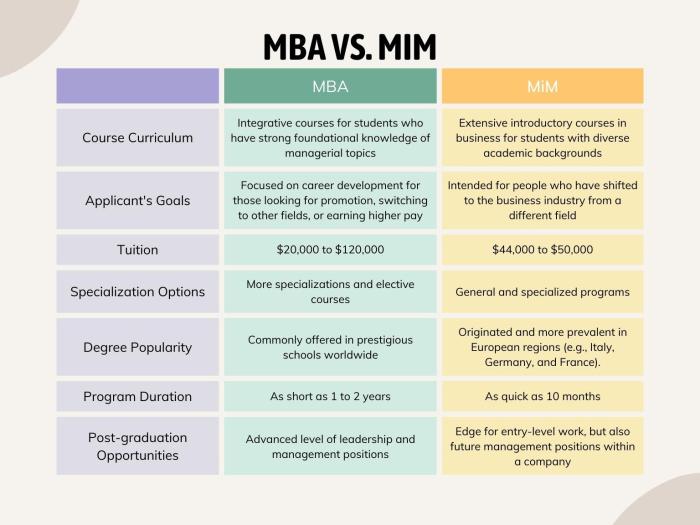
Source: mbastack.org
Embarking on an MBA journey without prior work experience may seem daunting, but there are numerous pathways available for those eager to advance their education. With a variety of programs tailored for candidates in different circumstances, it’s essential to explore the options and strategies that can facilitate acceptance into an MBA program. This section will Artikel viable programs, strategies for applications, and alternatives to traditional MBA routes.
Programs Accepting Candidates Without Prior Work Experience
Several MBA programs recognize the value of diverse backgrounds and are open to admitting candidates who lack professional experience. These programs often focus on academic achievements, leadership potential, and personal qualities. Understanding which schools provide such opportunities is crucial.
- University of Pennsylvania (Wharton) Pre-MBA Program: Offers a unique pre-MBA experience for undergraduates who aim to enhance their skills before entering a full-time MBA.
- Columbia Business School: Accepts candidates straight from undergraduate programs, focusing on high-achieving students with strong academic records.
- University of California, Berkeley (Haas): Provides a pathway for recent graduates, especially those from underrepresented groups, to apply for their MBA program.
- Northwestern University (Kellogg): Their MBA program encourages applications from individuals with diverse experiences, including those who have just graduated.
Strategies for Applying to MBA Programs Without Work History
When applying to MBA programs without work experience, it’s crucial to showcase your strengths and unique perspectives. Here are some strategies that can help enhance your application:
- Highlight Academic Achievements: Focus on your GPA, relevant coursework, and any academic honors or scholarships received to demonstrate your intellectual capabilities.
- Showcase Leadership Activities: Involvement in extracurricular activities, student organizations, or community service can reflect strong leadership and initiative.
- Strong Personal Statements: Craft compelling essays that articulate your motivations for pursuing an MBA and how your background will contribute to your future goals.
- Letters of Recommendation: Secure recommendations from professors or mentors who can vouch for your skills, work ethic, and potential in a graduate business environment.
Alternatives to Traditional MBA Programs
For individuals lacking work experience, there are alternatives to traditional MBA programs that still offer valuable business education. These options can provide the necessary skills and knowledge without the conventional prerequisites.
- Online MBA Programs: Many accredited online programs offer flexible learning options and often have fewer restrictions regarding work experience.
- Specialized Master’s Programs: Consider Master’s degrees in areas like Marketing, Finance, or Entrepreneurship that focus on specific skills relevant to your career interests.
- Executive Education Programs: Many business schools offer non-degree executive education courses that can provide insight into business fundamentals without the need for an MBA.
- Certificate Programs: Short-term business certification programs can enhance specific skills and may serve as a stepping stone toward a future MBA.
Benefits of Pursuing an MBA Without Work Experience
Pursuing an MBA without prior work experience may seem unconventional, but it offers distinct advantages for fresh graduates eager to jumpstart their careers. By entering an MBA program right after undergraduate studies, students can gain valuable knowledge and skills that can set the foundation for their professional journeys. This approach not only helps in building a strong academic background but also equips students with the tools that can enhance their employability in a competitive job market.The unique perspectives that fresh graduates contribute to an MBA classroom can enrich discussions and foster innovative ideas.
These individuals often bring a fresh set of eyes, unbound by preconceived notions that come with experience. Their enthusiasm and willingness to embrace new concepts can stimulate creative problem-solving and collaborative projects among peers. In many cases, these students may challenge traditional business practices, encouraging a dynamic learning environment.
Long-term Career Growth Benefits
Pursuing an MBA early in one’s career can have significant implications for long-term career growth. Graduates who enter the workforce with an MBA may find themselves better positioned for leadership roles and higher starting salaries. Early exposure to advanced business concepts allows these individuals to navigate workplace challenges more effectively. Moreover, they can leverage their academic experiences to swiftly ascend the corporate ladder, establishing a robust professional profile that appeals to future employers.The early acquisition of an MBA not only enhances immediate job prospects but also fosters long-term career advancement.
For instance, a graduate who pursued an MBA right after completing their undergraduate degree might land a managerial position sooner than peers without an advanced degree, thus gaining invaluable experience earlier in their career.
Transferable Skills Gained from an MBA
An MBA program imparts a wide range of transferable skills that are beneficial, regardless of previous work experience. These skills form the backbone of effective business practice and can be applied across various industries and roles. The following list highlights essential skills that MBA graduates acquire during their studies:
- Strategic Thinking: The ability to plan effectively for the long term, considering various factors that can impact an organization.
- Leadership: Skills that enable individuals to inspire and guide teams toward a common goal, fostering collaboration and motivation.
- Analytical Skills: Competencies in assessing data and making informed decisions based on thorough analysis.
- Communication: Proficiency in conveying ideas clearly and persuasively, essential for negotiation and teamwork.
- Problem-Solving: The ability to identify challenges and develop effective solutions rapidly and creatively.
- Networking: Skills that help in building and leveraging professional relationships, crucial for career advancement.
These skills not only enhance employability but also prepare graduates for the complexities of the modern workplace, making them versatile assets to any organization.
“An MBA equips you with tools that transcend specific industries, fostering a mindset geared for innovation and success.”
Networking and Building Professional Connections

Source: iulonline.in
During an MBA program, especially for those without prior work experience, networking becomes an essential component for success. Establishing professional connections can significantly enhance learning opportunities, provide industry insights, and open doors for future employment. This process allows students to bridge the gap between academic knowledge and real-world application, making it crucial to engage actively in networking activities throughout the program.Building a strong professional network is not only about quantity but also quality.
Connecting with the right people can lead to mentorship opportunities, internships, and job placements post-MBA. Students should leverage various resources available to them. Here are some effective methods for students to connect with industry professionals:
Methods for Connecting with Industry Professionals
Engaging with industry professionals provides insights that can shape academic and career trajectories. Here are several proactive steps to consider:
- Attend Networking Events: Universities often host events where alumni and industry leaders share experiences and insights. Participating in these events offers direct contact with potential mentors and employers.
- Join Professional Associations: Many fields have professional organizations that host regular meetups, workshops, and networking events. Membership can provide access to exclusive opportunities.
- Participate in LinkedIn Groups: Actively joining and contributing to industry-specific groups on LinkedIn can help in forging connections and learning from professionals in your field.
- Utilize Informational Interviews: Requesting informational interviews with professionals can provide a deeper understanding of their career paths and the industry, while also establishing a personal connection.
- Engage with Faculty: Professors often have extensive networks and can provide introductions to industry contacts, as well as guidance on how to navigate the networking landscape.
Leveraging university resources effectively can further enhance networking opportunities for MBA students. Here’s a structured plan to maximize the available resources:
Plan for Leveraging University Resources
Universities offer a myriad of resources designed to support students in their professional development. By following a strategic plan, students can capitalize on these resources successfully:
- Career Services Office: Schedule regular appointments with career advisors to discuss networking strategies, resume building, and job search techniques. They can also facilitate connections with alumni.
- Networking Workshops: Enroll in workshops focused on networking skills, which can help in refining your approach and making a lasting impression on potential contacts.
- Alumni Networks: Engage with alumni through events or online platforms. Alumni can provide invaluable insights and may be more inclined to help fellow graduates.
- Guest Speaker Series: Attend lectures and talks by industry leaders hosted by the university. After these events, approach speakers to express interest and ask for advice or insights.
- Student Organizations: Join or take on a leadership role in student organizations related to your career interests. This can offer additional networking opportunities through events and initiatives.
In summary, networking is a vital aspect of pursuing an MBA without work experience. By actively engaging in events, utilizing university resources, and fostering meaningful professional connections, students can effectively enhance their career prospects and industry knowledge.
Financial Considerations for an MBA Without Work Experience
Pursuing an MBA without prior work experience can present unique financial challenges. It’s essential for prospective students to thoroughly understand the financial implications, available scholarships, and the importance of budgeting to navigate this journey successfully.The financial implications of enrolling in an MBA program without work experience are significant. The cost of tuition, living expenses, and additional fees can accumulate quickly.
Students may need to rely on loans, personal savings, or support from family to cover these costs. Moreover, not having a salary during this period can lead to increased financial strain, making it crucial to assess one’s financial readiness for this commitment.
Available Scholarships and Financial Aid Options
Numerous scholarships and financial aid options exist for students pursuing an MBA, particularly for those without work experience. These opportunities can help alleviate the financial burden associated with graduate education. Many institutions offer scholarships aimed specifically at students who demonstrate exceptional academic performance or potential, regardless of their work history. Additionally, some programs have financial aid offices that can assist students in identifying suitable grants, student loans, and work-study opportunities.
Here are some common options:
- Merit-Based Scholarships: Awarded to students based on academic achievements or test scores.
- Need-Based Scholarships: Given to students who demonstrate financial need.
- Institution-Specific Grants: Offered by individual universities to support students in various circumstances.
- Government Financial Aid: Federally funded aid programs may be available for eligible students, including subsidized loans.
- Professional Organizations: Some industry-specific organizations offer scholarships to students pursuing advanced degrees in related fields.
Budgeting Plan for Students Considering an MBA Without Income from Work
Creating a budgeting plan is vital for students who will not have an income while pursuing their MBA. A well-structured budget will help manage expenses effectively, ensuring that students can focus on their studies without the stress of financial uncertainty.Key elements to consider in a budgeting plan include tuition fees, housing costs, food, transportation, and personal expenses. By estimating these costs and establishing a financial plan, students can make informed decisions about their education.
The budgeting process may look like this:
1. Tuition Fees
Research the total cost of the MBA program, including enrollment fees, and anticipate any increases over the years.
2. Housing
Determine if you will live on-campus or off-campus and factor in rental costs or dorm fees, including utilities.
3. Living Expenses
Allocate funds for groceries, dining out, and other day-to-day necessities.
4. Transportation
Account for costs associated with public transport or vehicle maintenance if commuting is necessary.
5. Health Insurance
Ensure you have adequate health coverage during your studies, which may be offered through the university or need to be purchased independently.
“Creating a detailed budget not only prepares students for their financial journey but also instills a sense of discipline and responsibility essential for managing future finances.”
By being proactive about financial considerations, students can pursue their MBA with confidence, paving the way for a brighter future in their careers.
Career Opportunities Post-MBA Without Experience
Entering the job market with an MBA but no prior work experience might seem daunting, yet it opens a myriad of opportunities across diverse industries. Employers increasingly value the skills and knowledge that MBA graduates bring, irrespective of their work history. The following sections Artikel the promising job prospects available to recent MBA graduates without experience, highlighting the skills that are most in demand.
Job Prospects and Industries
The landscape for MBA graduates without prior experience is broad, with various sectors actively seeking fresh talent. These industries often prioritize the analytical and strategic capabilities that MBA programs cultivate. Fields such as finance, consulting, marketing, and technology frequently recruit graduates who demonstrate strong business acumen and effective problem-solving abilities.
- Consulting: Firms like McKinsey and Boston Consulting Group value MBA graduates for their ability to approach problems analytically and implement solutions effectively, even without prior professional experience.
- Finance: Investment banks and financial institutions often hire MBAs for roles in analysis, management, and advising, relying on their educational foundation rather than extensive experience.
- Marketing: Companies in consumer goods and technology sectors seek MBA graduates to contribute innovative ideas and strategies to drive brand growth and engagement.
- Technology: Tech giants are increasingly hiring MBA graduates for strategic roles, valuing their capabilities to bridge the gap between technical teams and business objectives.
Successful Professionals Without Prior Experience
Several prominent figures illustrate that starting a successful career post-MBA without prior experience is entirely feasible. These individuals have leveraged their educations and skills to make significant impacts in their respective fields.
“Your degree is just a tool. What you do with it defines your career.”
For instance, Brian Chesky, co-founder of Airbnb, pursued an MBA and later ventured into entrepreneurship without formal work experience in his field. Similarly, Indra Nooyi, former CEO of PepsiCo, capitalized on her MBA to ascend the corporate ladder, demonstrating that ambition and skills can often outweigh experience.
In-Demand Skills Among Employers
Employers today are looking for specific skills that recent MBA graduates bring to the table. Understanding these skills can enhance job prospects significantly.
- Analytical Skills: The ability to analyze data and make informed decisions is crucial in various industry roles.
- Leadership: Employers look for individuals who can lead teams effectively and inspire collaboration.
- Strategic Thinking: The capacity to develop long-term strategies and adapt to market changes is highly sought after.
- Communication: Clear and effective communication skills are essential for conveying ideas and facilitating discussions.
- Project Management: The ability to oversee projects from inception to completion is a valuable asset for any organization.
Success Stories and Testimonials
Many individuals have pursued an MBA without prior work experience and achieved remarkable success. These stories serve as powerful reminders that passion and determination can lead to significant accomplishments, regardless of traditional pathways. Each testimonial illustrates the unique challenges faced by these individuals and the strategies they employed to overcome obstacles on their journey toward obtaining an MBA.The journey of pursuing an MBA without work experience is often filled with challenges, but many have risen to the occasion, transforming their aspirations into reality.
The testimonials shared here highlight the resilience and adaptability of these individuals, showcasing how they navigated their studies and built valuable connections that ultimately propelled their careers forward.
Inspirational Testimonials from MBA Graduates, MBA Without Work Experience
Several graduates have articulated their experiences in transitioning from academia to the professional world, despite not having prior work experience:
“I initially felt out of place among my peers, who had extensive professional backgrounds. However, I focused on leveraging my academic strengths and actively participated in group projects, which helped me build confidence and skills.”
Sarah, MBA Graduate
Sarah’s story reflects the importance of embracing one’s educational background while actively engaging with peers.
“Networking was key for me. I attended every event and reached out to alumni, which opened doors to internships and job opportunities. It’s about creating connections that matter.”
Raj, MBA Graduate
Raj’s testimony emphasizes the significance of networking to bridge the gap in experience. By actively seeking connections, he was able to transform his MBA into a launching pad for career opportunities.
“I faced skepticism due to my lack of experience, but I turned it into motivation. I completed multiple internships during my studies, which not only built my resume but also provided practical skills that impressed employers.”
Emily, MBA Graduate
Emily’s approach showcases that proactive engagement during the MBA can effectively address potential concerns about experience.
Challenges Faced and Overcoming Them
Individuals pursuing an MBA without work experience often confront various challenges, but their resilience has enabled them to succeed. Here are common challenges along with strategies employed to overcome them:
“One of the biggest challenges was competing with classmates who had years of industry experience. I focused on my unique perspectives from an academic standpoint, which allowed me to contribute meaningfully in class discussions.”
Michael, MBA Graduate
Michael’s strategy highlights the significance of utilizing one’s unique viewpoint as a means to stand out.
“Balancing studies and part-time work while trying to build experience was tough. I learned time management skills and prioritized my coursework, which ultimately helped me excel in both areas.”
Jasmine, MBA Graduate
Jasmine’s experience underscores the importance of effective time management in balancing education and gaining experience.These narratives exemplify the diverse paths individuals have taken to succeed in their MBA pursuits, revealing that determination, strategic networking, and a focus on personal strengths can overcome the initial hurdle of lacking work experience. The lessons learned from these successful alumni serve as motivation for those considering an MBA without prior professional experience.
Final Summary
In conclusion, pursuing an MBA Without Work Experience can be a transformative step for many individuals ready to shape their futures. By embracing the opportunities available, building valuable connections, and cultivating essential skills, candidates can not only enhance their educational experience but also position themselves competitively in the job market. The success stories of those who have tread this path demonstrate that with determination and the right approach, a fulfilling career is well within reach.
Popular Questions
Can I get an MBA without any work experience?
Yes, many MBA programs accept students without work experience, offering specialized options for fresh graduates.
How can I strengthen my MBA application without work experience?
Focus on showcasing your academic achievements, leadership skills, and relevant extracurricular activities in your application.
Are there specific MBA programs that cater to students without work experience?
Yes, numerous universities offer programs designed specifically for recent graduates or those without professional experience.
What skills will I gain from an MBA even without work experience?
You’ll develop critical thinking, problem-solving, leadership, and communication skills that are essential in any business environment.
How important is networking during an MBA program for those without experience?
Networking is vital, as it helps build connections and opens doors for internships and job opportunities after graduation.