MBA For International Students Unlocking Global Opportunities
MBA For International Students sets the stage for an exciting journey into the world of business education, where diverse cultures meet and knowledge expands. This overview highlights the unique advantages of pursuing an MBA as an international student, such as the chance to network globally, gain essential skills, and enhance career prospects. With a variety of programs available across the globe, understanding the structure, benefits, and challenges of an MBA can empower international students to make informed decisions about their educational paths.
Overview of MBA Programs
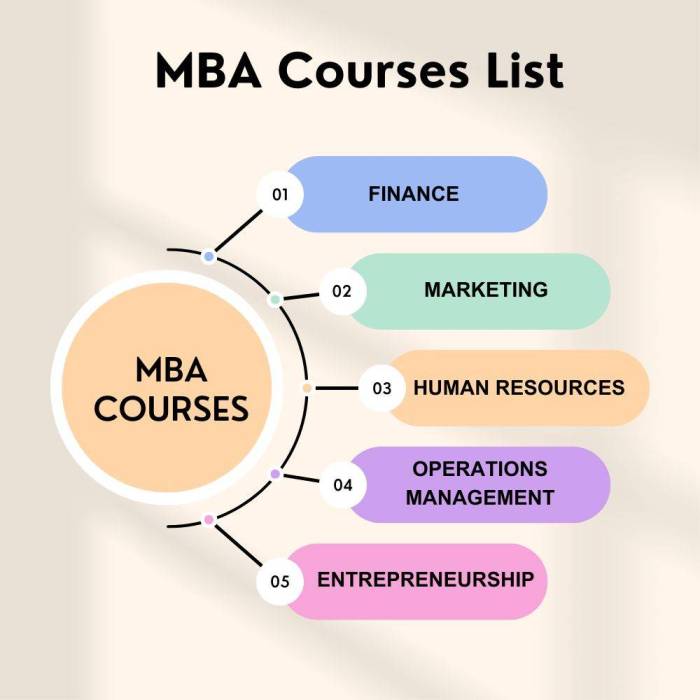
MBA programs are designed to equip students with essential management and leadership skills necessary for success in today’s competitive business environment. Typically, these programs blend theoretical knowledge with practical application, covering various aspects of business, including finance, marketing, operations, and strategy. With a general duration of two years for full-time programs, many institutions also offer part-time or accelerated options, accommodating diverse student needs and professional commitments.The structure of an MBA program generally consists of core courses that provide foundational knowledge, along with elective courses that allow students to specialize in areas of interest.
Core subjects often include Financial Accounting, Organizational Behavior, Marketing Management, and Business Ethics. Additionally, students are frequently required to participate in group projects, case studies, and internships, ensuring they gain hands-on experience and can apply learned concepts to real-world scenarios.
Importance of MBA Degrees in the Global Job Market
MBA degrees hold significant value in the global job market, as they are often viewed as a benchmark of advanced business acumen and leadership capability. Employers across various industries recognize the depth of knowledge and the strategic mindset that MBA graduates possess. In many cases, an MBA can enhance career prospects, leading to higher starting salaries and increased opportunities for advancement.
According to the Graduate Management Admission Council (GMAC), MBA graduates tend to earn 75% more than their counterparts with only a bachelor’s degree in the long term, highlighting the degree’s potential return on investment.
Key Differences Between MBA Programs in Various Countries
The landscape of MBA programs varies significantly across countries, influenced by cultural, educational, and economic factors. A brief overview of some notable distinctions includes:
- Duration: In the United States, full-time MBA programs typically last two years, while many European programs, especially in the UK, are often one year in length.
- Curriculum Focus: U.S. programs may emphasize a broader range of electives and experiential learning, whereas European programs often lean towards specialized tracks that align with regional business practices.
- Admissions Process: U.S. schools often require GMAT scores, essays, and interviews, while European institutions might also accept GRE scores and place a stronger emphasis on professional experience and academic performance during undergraduate studies.
- Global Exposure: Many international programs, particularly in Europe, incorporate a global perspective into their curriculum, offering opportunities for exchange programs and internships across different countries.
Understanding these differences is critical for prospective students as they evaluate which program aligns best with their career goals and personal circumstances.
Benefits of an MBA for International Students
Source: gsbl.in
An MBA can be a transformative experience for international students, offering a unique blend of educational and professional advantages. The program not only enriches academic knowledge but also equips students with essential skills and connections that are vital in today’s global business landscape. Understanding these benefits can greatly influence an international student’s decision to pursue an MBA.
Networking Opportunities
One of the standout features of an MBA program is the vast networking opportunities it presents. For international students, these connections can significantly impact their career trajectories. Engaging with peers from diverse backgrounds fosters a rich environment for collaboration and idea exchange. Key networking avenues include:
- Peer Interaction: Building relationships with classmates who may become future industry leaders or collaborators enhances the learning experience and opens doors to various business networks.
- Alumni Networks: Many MBA programs boast strong alumni communities that can provide mentorship, job leads, and industry insights, which are especially valuable for international students seeking opportunities in unfamiliar markets.
- Industry Events and Conferences: Participation in specialized workshops and conferences provides students with the chance to meet industry professionals, learn about current trends, and establish essential connections.
- On-Campus Recruitment: Employers often target MBA programs for recruitment, allowing international students to engage directly with companies eager to hire diverse talent.
Career Advancement Potential
An MBA offers substantial potential for career advancement, making it an appealing choice for international students. The degree not only helps in acquiring higher positions but also enhances earning potential. A few noteworthy aspects of career advancement through an MBA include:
- Higher Salary Expectations: Graduates often experience a significant salary increase post-MBA, with many companies offering competitive compensation packages to attract top talent.
- Access to Leadership Roles: An MBA equips students with managerial skills that are crucial for moving into leadership roles within organizations, allowing for greater influence in strategic decision-making.
- Broader Career Options: The diverse skill set gained during the program enables international graduates to pivot across industries, allowing them to explore various career paths that may not have been accessible previously.
- Global Job Market Competitiveness: Holding an MBA signals to employers that candidates are serious about their professional development, making them more attractive in a competitive global job market.
Skills and Knowledge Gained
The comprehensive curriculum of an MBA program provides international students with a wealth of knowledge and skills applicable to real-world situations. The focus is not just on theoretical understanding but also on practical applications. Key skills and knowledge areas include:
- Strategic Thinking: Students learn to analyze complex business problems and develop strategic solutions, a critical competency in any industry.
- Financial Acumen: Understanding financial statements and market analysis equips graduates with the tools needed to make informed business decisions.
- Leadership and Team Management: The program emphasizes leading teams and managing diverse groups, essential for any managerial position.
- Cultural Competence: Exposure to a multicultural environment enhances students’ abilities to work effectively across borders, an essential skill in today’s globalized economy.
Admission Requirements for International Students
The journey to pursuing an MBA as an international student can be exciting yet complex. Understanding the admission requirements is key to navigating this process smoothly. Different institutions may have varying criteria, but there are common elements to consider across the board.Typically, the application process for international students seeking an MBA involves several steps. Students are generally required to submit their applications online, often through a university-specific portal or a centralized application service.
This process usually includes the submission of various documents, standardized test scores, and sometimes even interviews or additional assessments.
Common Prerequisites for MBA Programs
Before applying, it’s crucial for international students to be aware of the common prerequisites for MBA programs around the world. Although these may differ slightly from one institution to another, they typically include the following:
- Undergraduate Degree: A bachelor’s degree from an accredited institution is usually required, regardless of the field of study.
- Standardized Test Scores: Many programs require scores from tests like the GMAT or GRE, which assess analytical, writing, and quantitative skills.
- English Proficiency Tests: Non-native speakers are typically required to submit scores from tests like the TOEFL or IELTS to demonstrate their proficiency in English.
- Professional Experience: Relevant work experience is often preferred and can enhance an application, with many programs recommending at least two years.
- Letters of Recommendation: Most programs require two or three letters from professional or academic references who can speak to the applicant’s abilities and character.
To streamline the application process, students should prepare the following checklist of documents required for admission:
Checklist of Documents for Admission
Having a comprehensive checklist can help international students ensure they submit all necessary documents for their MBA applications. Consider the following essential items:
- Completed application form along with the application fee.
- Official academic transcripts from all previously attended institutions.
- Standardized test score reports (GMAT, GRE, TOEFL, or IELTS).
- Current resume or CV detailing professional experience.
- Personal statement or essay highlighting career goals and motivations for pursuing an MBA.
- Letters of recommendation from employers or professors.
- Proof of financial resources to cover tuition and living expenses.
“Being organized and thorough in the application process can significantly enhance your chances of acceptance into a top MBA program.”
By familiarizing themselves with these requirements and preparing their applications thoughtfully, international students can position themselves for success in their pursuit of an MBA.
Financial Considerations
Pursuing an MBA as an international student comes with a variety of financial implications. Understanding the costs associated with these programs is crucial for effective planning and budgeting. This section will highlight the estimated expenses, financing options, and provide a comparative overview of tuition fees across different countries.Financial planning for an MBA involves not just tuition fees, but also living expenses, materials, and other miscellaneous costs.
Below is a detailed breakdown of the costs typically incurred by international students pursuing an MBA.
Cost Breakdown for International Students
The financial commitment for an MBA program includes several components that students need to consider. Here’s a closer look at what these costs typically entail:
- Tuition Fees: This is the most significant expense, varying significantly depending on the institution and country.
- Living Expenses: Rent, food, transport, and other day-to-day expenses can also add up, particularly in urban areas.
- Books and Materials: Course materials can be an additional financial burden, as textbooks and software may not be included in tuition.
- Health Insurance: Many countries require students to have health insurance, which can be a sizable additional cost.
- Visa and Application Fees: These can vary widely based on the country of study and can be overlooked in budget planning.
Financing Options for MBA Programs
International students have several financing avenues to explore when funding their MBA. Here are some common options that can alleviate the financial burden:
- Scholarships: Many universities offer scholarships specifically for international students, which can significantly reduce tuition costs.
- Grants: Some organizations provide grants that do not need to be repaid, making them an attractive option for funding education.
- Student Loans: Various financial institutions and governments offer loans tailored for international students, often with favorable repayment terms.
- Part-time Employment: Many student visas allow part-time work, which can help cover living expenses while studying.
Average Tuition Fees by Country
Understanding tuition fees by country can greatly assist international students in planning their educational budget. The following table illustrates the average tuition fees for MBA programs across various countries:
| Country | Average Tuition Fees (per year) |
|---|---|
| United States | $60,000 – $120,000 |
| United Kingdom | $30,000 – $50,000 |
| Canada | $30,000 – $60,000 |
| Australia | $40,000 – $70,000 |
| Germany | $15,000 – $30,000 |
“Investing in an MBA is not just about the immediate costs; it’s about the long-term returns on your career.”
Cultural Adjustments and Challenges
Embarking on an MBA journey as an international student is an exciting yet complex experience. Beyond the academic rigors, students often face a range of cultural adjustments and challenges that can significantly impact their educational journey. Understanding these cultural dynamics is essential for success in both academic and professional realms.Cultural challenges for international students often stem from differences in communication styles, social norms, and educational expectations.
Adapting to a new culture can lead to feelings of isolation or confusion, particularly in diverse settings like business schools where group work and networking are critical. Navigating these differences requires awareness and adaptability, as various cultural backgrounds influence perspectives and behaviors in the classroom and beyond.
Language Barriers in Academic Settings
Language proficiency is a significant factor that can affect international students’ ability to engage fully in their MBA programs. While most students arrive with a strong command of English, the academic setting presents unique challenges. Strategies for overcoming language barriers include:
- Participating in language support programs offered by universities, which can help improve linguistic skills through tailored workshops and peer conversations.
- Engaging in study groups that provide opportunities for practice and feedback in a collaborative environment.
- Utilizing online resources, such as language learning apps and grammar checkers, to enhance writing abilities and fluency.
- Seeking mentorship from native speakers or professors who can offer insights into academic expectations and terminology.
These strategies can empower students to communicate more effectively, fostering a deeper understanding of course material and enhancing their overall academic experience.
Importance of Cultural Competency in Business Education
Cultural competency plays a vital role in the education of future business leaders. In today’s global economy, the ability to navigate cultural differences is essential for building relationships and driving business success. Key aspects of cultural competency include:
- Understanding and respecting diverse cultural perspectives fosters inclusive teamwork and collaboration.
- Developing skills to communicate across cultural boundaries enhances negotiation and conflict resolution abilities.
- Emphasizing adaptability allows students to respond effectively to varying business practices and consumer behaviors in different regions.
Acquiring cultural competency not only enriches the learning experience but also prepares students for real-world challenges in the global marketplace. In essence, it equips them with the tools to lead effectively in diverse environments, making them valuable assets to any organization.
Post-MBA Career Opportunities

Source: edu.pl
After completing an MBA, international students often find themselves at a crossroads, equipped with new skills and ready to embark on exciting career paths. The global business landscape offers numerous opportunities for graduates, particularly those with diverse backgrounds and perspectives. Understanding the sectors that actively recruit MBA graduates and the processes involved in securing employment can make a significant difference in navigating this transition.The demand for MBA graduates, particularly from international backgrounds, spans various sectors.
Many industries actively seek candidates who bring unique insights and experiences, making them valuable assets in today’s interconnected world.
Key Sectors Recruiting MBA Graduates
Several sectors are consistently on the lookout for MBA graduates, leveraging their expertise in management, strategy, and finance. Here are some of the primary industries that value international MBA graduates:
- Consulting: Firms such as McKinsey, Boston Consulting Group, and Deloitte actively recruit MBA graduates, offering roles that require strategic thinking and problem-solving skills.
- Finance: Investment banks, private equity firms, and hedge funds are keen on hiring MBA graduates for their analytical and financial acumen, with companies like Goldman Sachs and JPMorgan Chase leading the recruitment.
- Technology: Companies like Google, Amazon, and Microsoft seek out MBA graduates to fill roles in product management, operations, and business development, capitalizing on their innovative mindset.
- Healthcare: The healthcare sector values MBA graduates for positions in management, strategy, and operations, especially in pharmaceuticals and healthcare consulting firms.
- Manufacturing and Supply Chain: Industries focused on logistics and supply chain management look for MBA graduates to optimize processes and enhance operational efficiency.
Work Visa Process After Graduation
Securing a work visa after completing an MBA is a crucial step for international students looking to launch their careers in their host countries. Each country has its own specific regulations and pathways for graduates. In the United States, for example, international students on an F-1 visa can apply for Optional Practical Training (OPT), allowing them to work in their field for up to 12 months post-graduation.
STEM graduates may qualify for a 24-month extension, making it a total of 36 months of work authorization. Understanding the timeline and application process for OPT is essential, as students need to apply before their graduation date.Similarly, countries like Canada offer the Post-Graduation Work Permit (PGWP) that allows international graduates to work for up to three years, depending on the length of their study program.
It is vital for students to be aware of the requirements and the application procedures to ensure a smooth transition into the workforce.
Success Stories of International MBA Graduates
Many international students have successfully transitioned into rewarding careers after completing their MBAs, showcasing the potential pathways available. For instance, a graduate from a prominent business school in the UK, originally from India, secured a position at a management consulting firm shortly after graduation. Through networking events and career fairs hosted by the university, she connected with industry leaders who recognized her unique background and skills, leading to multiple job offers.Another notable example includes a student from Brazil who graduated with an MBA in the United States.
He leveraged his diverse perspective in a technology startup, quickly climbing the ranks to a senior management position. His ability to bring innovative solutions to the table was highly valued, proving that international experience can provide a significant competitive edge.These success stories illustrate that with the right preparation and proactive approach, international MBA graduates can effectively navigate their career paths and thrive in global business environments.
Alumni Networks and Resources
Alumni networks play a crucial role in enhancing the MBA experience for international students. These networks not only facilitate connections but also serve as invaluable resources for job placements and mentorship opportunities. Being part of a strong alumni community can significantly impact career advancement and integration into the global business landscape.Alumni networks provide international students with a platform for networking, knowledge sharing, and professional development.
Many business schools have established robust alumni associations that actively engage graduates in various initiatives, including workshops, seminars, and networking events. These interactions help bridge the gap between current students and established professionals, fostering relationships that can lead to job opportunities and valuable insights into industry trends.
Resources for Job Placements
Business schools offer numerous resources dedicated to assisting international students with job placements after graduation. These resources often include:
- Career Services Offices: Most schools have dedicated teams that provide personalized career counseling, resume reviews, and interview preparation tailored for international students.
- Job Fairs and Recruiting Events: Schools frequently organize job fairs where students can meet potential employers, learn about openings, and make valuable connections in their fields.
- Internship Programs: Many MBA programs incorporate internship experiences, allowing international students to gain practical experience and enhance their employability.
- Online Job Portals: Access to exclusive job boards and platforms specifically designed for the school’s alumni and current students is common, providing targeted job listings.
- Networking Events: Regularly scheduled alumni networking events provide opportunities to connect with former graduates who may be in a position to assist with job leads.
The importance of these resources cannot be overstated, as they equip international students with the necessary tools and networks to help navigate the job market effectively.
Notable Business Schools with Strong International Alumni Networks
Several business schools are renowned for their robust international alumni networks that support graduates around the globe. A few of these institutions include:
- Harvard Business School: Known for its extensive global alumni network, Harvard provides access to a vast array of resources and connections.
- Stanford Graduate School of Business: Stanford’s alumni are known for their entrepreneurial spirit and commitment to supporting fellow graduates.
- Wharton School at the University of Pennsylvania: Wharton boasts one of the largest alumni networks, with a strong focus on global business connections.
- INSEAD: This international business school has campuses in Europe, Asia, and the Middle East, creating a diverse and influential alumni network.
- London Business School: LBS offers a global alumni community, fostering connections across various industries worldwide.
These schools not only provide an excellent educational foundation but also facilitate lifelong connections that can significantly impact an international student’s career trajectory.
Online vs. On-Campus MBA Programs
The decision between pursuing an online or on-campus MBA program is a significant one for international students. Each format offers unique advantages and challenges that can impact the overall educational experience, professional development, and personal growth. Understanding these differences is essential for making an informed choice that aligns with individual goals and circumstances.
Pros and Cons of Online MBA Programs for International Students
Online MBA programs have become increasingly popular, especially for international students who may face geographical or logistical constraints. Here’s a look at the advantages and disadvantages of this mode of study:
- Flexibility: Online programs allow students to learn at their own pace and schedule classes around existing commitments, which is particularly beneficial for those with jobs or family obligations.
- Access to Global Resources: Students can tap into a diverse range of resources and expertise from faculty and peers around the world without relocating.
- Cost-Effective: Generally, online programs may be less expensive compared to their on-campus counterparts, as they often have lower tuition fees and eliminate commuting costs.
- Isolation: The lack of in-person interaction can lead to feelings of isolation, which may hinder networking opportunities and personal connections typical in traditional settings.
- Self-Discipline Required: Online learning demands strong time management and self-motivation skills, which can be challenging for some students.
Impact of Remote Learning on the International Student Experience
Remote learning can significantly influence the international student experience, shaping both academic success and personal development. Students must navigate various challenges as they adjust to this format.
- Time Zone Differences: International students often have to attend classes at odd hours due to time zone discrepancies, which can be exhausting and affect participation.
- Cultural Engagement: Limited face-to-face interactions can reduce cultural exchange experiences that are vital for personal growth and networking.
- Technological Challenges: Students may encounter issues related to internet connectivity, software, and digital platforms, which can disrupt learning.
- Support Services: Many institutions provide online resources for international students, including virtual counseling and academic support, to help ease the transition.
Hybrid Programs Combining Online and On-Campus Elements
Hybrid MBA programs offer a blend of online and on-campus learning, giving students the best of both worlds. This model has gained traction as it addresses some of the limitations of purely online or on-campus study.
- Balanced Learning Experience: Students benefit from the flexibility of online coursework while still engaging in essential in-person networking and collaborative projects.
- Enhanced Interaction: On-campus components facilitate stronger relationships with professors and peers, enriching the learning environment and fostering community.
- Real-World Application: Hybrid programs often include practical components, such as case studies and simulations, enhancing the relevance of theoretical knowledge.
- Transition Flexibility: This format allows international students to gradually adjust to a new culture and educational system, providing a smoother transition into academic life.
- Potentially Higher Costs: While offering benefits, hybrid programs may also incur additional costs related to travel and accommodation during on-campus sessions.
International Student Experiences
International students bring a unique perspective to MBA programs, enriching the academic environment with diverse backgrounds and experiences. Their journeys are filled with challenges and triumphs that shape not only their professional skills but also their personal growth. Through testimonials and shared experiences, we can gain insight into how international students navigate their MBA paths and the critical role that extracurricular activities play in enhancing their education.Extracurricular activities are essential for international students as they provide opportunities to connect, learn, and grow outside the classroom.
Engaging in clubs, events, and volunteer activities allows students to build networks, develop leadership skills, and gain practical experience that complements their academic coursework. Participation in such activities fosters a sense of community and belonging, which can significantly ease the cultural transition faced by many international students.
Testimonials from International Students, MBA For International Students
Hearing directly from international students about their experiences can provide a more vivid picture of the MBA journey. Many students express how the program has transformed their professional outlook and personal lives. For instance, one student from India remarked,
“The MBA program not only equipped me with essential business skills but also introduced me to a network of professionals that I never imagined I’d be a part of.”
Another student from Brazil shared,
“The cultural diversity of my cohort enriched my learning experience. Collaboration with peers from various backgrounds opened my mind to new ideas and practices.”
Extracurricular Activities in MBA Programs
Engagement in extracurricular activities is pivotal for a well-rounded MBA experience, particularly for international students who might initially feel isolated. These activities not only promote skill development but also enhance student life. Examples of beneficial extracurricular activities include:
- Networking events that connect students with industry leaders and alumni.
- Workshops and seminars on relevant topics such as entrepreneurship, marketing strategies, and technology trends.
- Student-led conferences focusing on global business challenges and solutions.
- Volunteering opportunities that allow students to give back to the community while gaining practical experience.
- Sports teams and cultural clubs that foster camaraderie and friendship among students.
International Student Organizations
Many business schools offer organizations specifically catering to the needs and interests of international students. These organizations serve as platforms for support, cultural exchange, and professional development. Some notable examples include:
- The International Business Club, which hosts events aimed at enhancing understanding of global markets.
- Cultural associations that celebrate and promote the diverse backgrounds of student members, fostering inclusivity.
- Mentorship programs pairing international students with alumni who share similar cultural or professional backgrounds.
- Language exchange programs designed to help students improve their language skills while sharing their native languages with peers.
Through these organizations, international students can build lasting connections and enhance their overall MBA experience, contributing to both personal and professional development.
Closing Notes: MBA For International Students

Source: mbastack.org
In conclusion, the pursuit of an MBA For International Students is not just about earning a degree; it’s about embracing a transformative experience that opens many doors. From building valuable networks to overcoming cultural challenges, the journey is rich with opportunities for personal and professional growth. As international students navigate their MBA paths, they are not only preparing for successful careers but also contributing to the ever-evolving landscape of global business.
Question Bank
What are the typical costs of an MBA for international students?
The costs can vary widely based on the country and institution, but international students should expect tuition fees ranging from $20,000 to over $100,000.
Are there scholarships available for international students pursuing an MBA?
Yes, many universities offer scholarships specifically for international students; it’s advisable to check the school’s website for options.
How can international students improve their language skills for MBA programs?
Participating in language workshops, engaging in conversation clubs, and taking preparatory language courses can significantly help improve language skills.
What are the key differences in MBA programs across countries?
Differences can include program length, curriculum focus, teaching methods, and networking opportunities, so it’s important to research specific programs.
What role do alumni networks play for international students?
Alumni networks provide invaluable support through mentorship, job referrals, and networking opportunities, enhancing the overall MBA experience.