MBA In Digital Marketing Unleashing Career Potential
MBA In Digital Marketing sets the stage for this enthralling narrative, offering a deep dive into a field that’s more vital than ever in today’s digitally driven business world. With companies increasingly relying on digital platforms, the demand for skilled professionals equipped with advanced marketing strategies has surged. This program not only hones essential skills but also prepares graduates to navigate the evolving landscape of digital marketing, integrating it seamlessly with traditional strategies to create impactful campaigns.
From understanding cutting-edge digital tools to mastering and content marketing, the MBA in Digital Marketing curriculum is designed to equip students with the competencies needed to excel in various roles. As industries adapt and transform, those who possess an MBA in this field are uniquely positioned to lead the charge in innovative marketing solutions, making this degree a powerful asset in the job market.
Introduction to MBA in Digital Marketing
In today’s fast-paced and technology-driven business environment, pursuing an MBA in Digital Marketing has become increasingly significant. This program equips aspiring marketers with the knowledge and skills necessary to navigate the complexities of the digital landscape. As businesses shift their focus towards online platforms, understanding digital marketing strategies has become essential for success.The core competencies acquired through an MBA in Digital Marketing encompass a variety of critical areas.
Students are trained in data analytics, search engine optimization (), social media marketing, content creation, and digital advertising. This multifaceted approach ensures that graduates are well-prepared to craft effective marketing strategies that resonate with target audiences in a digital-first world.
Evolution of Digital Marketing
The evolution of digital marketing has dramatically reshaped the marketing landscape, influencing traditional marketing strategies. Initially, businesses relied heavily on print and broadcast media for advertising. However, the advent of the internet and social media has transformed how brands interact with consumers. Key developments in this evolution include:
- Increased Online Engagement: Consumers now spend a significant amount of time online, leading businesses to prioritize digital marketing channels for engagement.
- Data-Driven Decisions: The ability to collect and analyze consumer data allows marketers to tailor their strategies to meet specific audience needs.
- Cost-Effective Marketing: Digital marketing often offers a more cost-effective solution compared to traditional advertising methods, enabling businesses of all sizes to compete.
- Real-Time Feedback: Digital platforms allow for immediate feedback from consumers, facilitating quicker adjustments to marketing campaigns.
The impact of digital marketing on traditional strategies cannot be understated. Businesses that once relied solely on television commercials and print ads are now integrating digital tactics, such as influencer partnerships and online campaigns, to reach a broader audience. This shift emphasizes the need for marketers to be versatile and knowledgeable about both digital and traditional methods to maximize their effectiveness.
“Digital marketing is not just a new trend; it’s the future of marketing, reshaping how businesses connect with their customers.”
Curriculum Overview
The curriculum for an MBA in Digital Marketing is designed to equip students with a comprehensive understanding of the digital landscape, blending theoretical knowledge with practical skills. It covers a wide array of subjects that foster strategic thinking and innovative solutions in the realm of digital marketing, ensuring graduates are well-prepared to meet the demands of the job market.The program typically consists of core subjects that address fundamental principles of marketing while also delving into specific digital strategies and tools.
Below are the main subjects commonly included in the curriculum of an MBA in Digital Marketing.
Main Subjects in MBA in Digital Marketing
The subjects in the MBA in Digital Marketing curriculum are fundamental for developing a robust understanding of both traditional and digital marketing strategies. Here’s a breakdown of the key subjects:
- Digital Marketing Strategy: This course covers the creation and implementation of effective digital marketing strategies that align with business objectives. It includes learning about various channels such as social media, email, and search engines.
- Search Engine Optimization (): Students gain insights into the techniques and practices that enhance website visibility in search engine results, focusing on both on-page and off-page strategies.
- Social Media Marketing: This subject explores the role of social media in marketing, strategies for engagement, content creation, and analytics to measure performance.
- Content Marketing: This course emphasizes the importance of content creation and distribution, teaching students to develop compelling content that attracts and retains customers.
- Data Analytics in Marketing: Students learn how to analyze data from digital campaigns to make informed decisions, utilizing tools like Google Analytics and other data visualization platforms.
- E-commerce Management: This course delves into the nuances of managing online businesses, including customer experience, logistics, and transaction security.
- Mobile Marketing: Focuses on strategies for engaging users through mobile devices, including app marketing, mobile , and location-based services.
- Brand Management in Digital Age: This subject discusses the evolving role of brand management in the digital landscape, emphasizing brand loyalty, reputation management, and online branding strategies.
Comparison of University Curriculums
Different universities offer unique programs that may have distinct focuses or additional subjects. The following table compares various institutions and highlights their curriculum offerings:
| University | Core Subjects | Unique Offerings |
|---|---|---|
| University A | Digital Marketing Strategy, , Content Marketing | Focus on data-driven marketing and AI integration |
| University B | Social Media Marketing, E-commerce Management, Mobile Marketing | Special elective on Influencer Marketing |
| University C | Brand Management, Data Analytics | Workshops with industry leaders and live case studies |
| University D | , Digital Advertising | Hands-on projects with digital startups |
Practical Projects and Case Studies
Practical experience is crucial in an MBA in Digital Marketing program. Students are often engaged in hands-on projects and real-world case studies that enable them to apply theoretical concepts in practical settings. Projects may include:
- Developing a complete digital marketing plan for a local business, incorporating real-time data analytics and strategies.
- Simulating social media campaigns to measure engagement and conversion rates, allowing students to experiment with different strategies.
- Analyzing case studies of successful digital marketing campaigns from brands like Nike or Coca-Cola, focusing on their strategies and outcomes.
- Collaborating with local startups to create digital content and marketing strategies, providing real-world applications of classroom knowledge.
“The blend of theory and practice in an MBA in Digital Marketing prepares students not only to understand the digital landscape but also to thrive within it.”
Career Opportunities
Source: vecteezy.com
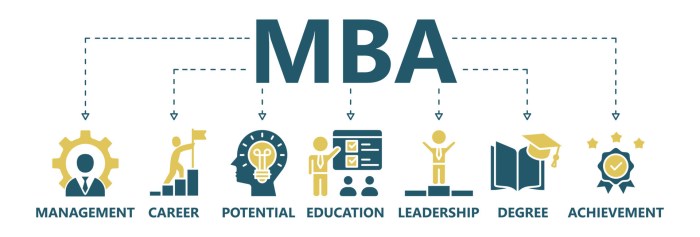
The digital marketing landscape is rapidly evolving, opening up a plethora of career paths for MBA graduates specializing in this field. With businesses continuously seeking to enhance their online presence, the demand for skilled professionals in digital marketing is at an all-time high. Graduates with an MBA in Digital Marketing can explore various exciting roles that capitalize on their strategic understanding of marketing principles and digital tools.The career paths available in digital marketing are diverse, reflecting the multifaceted nature of the industry.
Graduates can expect to take on roles that not only require creativity but also analytical skills to interpret data and measure success. Below are some of the notable job roles and their associated responsibilities.
Key Job Roles and Responsibilities
The following roles illustrate the range of opportunities available to MBA graduates in Digital Marketing:
- Digital Marketing Manager: Oversee marketing campaigns, manage budgets, and coordinate with teams to drive brand visibility and engagement.
- Specialist: Optimize website content for search engines, conduct research, and analyze performance metrics to improve organic reach.
- Content Strategist: Develop content plans aligned with business goals, create engaging content, and ensure it resonates with target audiences across digital platforms.
- Social Media Manager: Drive social media strategies, manage brand presence on various platforms, and engage with customers to build a community around the brand.
- Data Analyst: Analyze digital marketing data, generate reports, and provide insights to inform marketing strategies and improve campaign effectiveness.
Understanding the roles and responsibilities helps candidates identify where their interests and skills align within the digital marketing spectrum.
Salary Range and Job Market Outlook
The job market for digital marketing professionals is robust, with a continuous increase in job openings due to the digital transformation of businesses. The expected salary range can vary based on experience, geographical location, and specific roles. However, on average, professionals in digital marketing can anticipate the following salary estimates:
| Job Role | Average Salary (USD) |
|---|---|
| Digital Marketing Manager | $75,000 – $120,000 |
| Specialist | $50,000 – $80,000 |
| Content Strategist | $60,000 – $100,000 |
| Social Media Manager | $50,000 – $70,000 |
| Data Analyst | $60,000 – $90,000 |
As businesses continue to realize the significance of digital marketing, opportunities for growth and advancement in this field are abundant. Individuals with an MBA in Digital Marketing will find themselves well-equipped to navigate and thrive in this dynamic job market, benefiting from the increasing reliance on digital strategies across sectors.
The digital marketing sector is projected to grow significantly, creating a surge in demand for qualified professionals.
Skills Development
In the rapidly evolving world of digital marketing, mastering a diverse set of skills is crucial for success. Digital marketing encompasses various disciplines, all of which require a unique combination of analytical, creative, and technical abilities. By honing these skills, professionals can effectively navigate the digital landscape, making informed decisions that drive business growth.A comprehensive understanding of essential digital marketing skills sets the foundation for excelling in the industry.
Below are key areas to focus on for skill development:
Essential Digital Marketing Skills, MBA In Digital Marketing
To thrive in digital marketing, the following skills are indispensable:
- Search Engine Optimization (): The ability to optimize website content for search engines to increase visibility and drive organic traffic.
- Content Marketing: Crafting valuable, engaging content that resonates with target audiences and encourages user interaction and conversion.
- Social Media Marketing: Utilizing platforms such as Facebook, Instagram, and LinkedIn to promote brands, engage with customers, and build communities.
- Data Analytics: Analyzing data from various marketing campaigns to measure success, understand customer behavior, and make data-driven decisions.
- Email Marketing: Creating targeted email campaigns that nurture leads, retain customers, and drive sales through personalized communication.
- PPC Advertising: Managing pay-per-click advertising campaigns to maximize ROI through strategic bidding and ad placement.
Developing these skills requires intentional practice and a proactive approach to learning. Here are some effective methods for skill enhancement in the key areas of digital marketing:
Methods to Develop Digital Marketing Skills
Engaging in various activities can significantly enhance digital marketing skills. Consider the following methods:
- Online Courses: Platforms like Coursera, Udemy, and LinkedIn Learning offer specialized courses in , content marketing, and social media strategies, allowing learners to study at their own pace.
- Certifications: Obtaining certifications from recognized organizations, such as Google Ads, HubSpot, or Facebook Blueprint, can validate expertise and improve employability.
- Hands-on Projects: Applying learned skills in real-world projects, whether personal blogs or freelance gigs, helps solidify knowledge and enhances practical experience.
- Networking: Joining industry groups, attending workshops, and participating in webinars fosters connections with experienced professionals who can provide insights and mentorship.
- Staying Updated: Following reputable blogs, podcasts, and industry news sources keeps marketers informed about the latest trends, tools, and strategies in digital marketing.
Continuous learning is vital in the fast-paced digital marketing field. Here are some valuable resources that can facilitate ongoing professional growth:
Resources for Continuous Learning
Utilizing a variety of resources can enrich one’s digital marketing knowledge. Below are some recommended materials:
- Blogs: Websites like Moz, Neil Patel, and HubSpot provide insightful articles and guides on various digital marketing topics.
- Podcasts: Shows such as “Marketing School” and “The Smart Passive Income Podcast” offer valuable tips and strategies from leading industry experts.
- Webinars and Online Conferences: Attending live or recorded webinars hosted by industry leaders enables marketers to gain insights into current trends and best practices.
- Books: Reading foundational texts such as “Digital Marketing for Dummies” and “Jab, Jab, Jab, Right Hook” by Gary Vaynerchuk provides in-depth knowledge and practical strategies.
- Online Communities: Engaging in forums like Reddit’s r/digital_marketing or joining LinkedIn groups offers opportunities for discussion, collaboration, and learning from peers.
By actively developing these essential skills and leveraging available resources, aspiring digital marketers can build a robust foundation for a successful career in this dynamic industry.
Networking and Industry Connections
Building a robust network is essential in the digital marketing community. Networking allows professionals to share insights, collaborate on projects, and open doors to new opportunities. In an industry that evolves rapidly, having a strong network can significantly enhance your career trajectory by providing access to valuable resources, mentorship, and potential partnerships.Leveraging industry events, conferences, and seminars is a fundamental strategy for professional growth in digital marketing.
These platforms offer unique opportunities to meet industry leaders, learn about the latest trends, and gain insights into best practices. Engaging in discussions and workshops at these events can also help you showcase your expertise and expand your influence within the community.
Importance of Networking in Digital Marketing
A strong network can lead to collaboration, knowledge sharing, and potential job opportunities. The digital marketing landscape is vast, covering areas such as , content marketing, social media, and analytics. Connecting with professionals across these domains can provide a well-rounded perspective and enhance your skill set.Networking can also facilitate mentorship opportunities. Learning from experienced professionals can accelerate your development and help you navigate the complexities of the digital marketing world.
Leveraging Industry Events
Attending industry events can be a game-changer for your career. These gatherings provide a chance to meet key players and thought leaders in the digital marketing space. Here are some strategies to maximize your experience at such events:
1. Prepare in advance
Research the speakers and attendees to identify whom you’d like to connect with.
2. Engage actively
Ask questions during sessions and participate in discussions to make your presence known.
3. Follow up
After the event, reach out to new contacts on professional platforms like LinkedIn to maintain the connection.
Key Organizations and Groups for Networking
Joining relevant organizations and groups can enhance your networking efforts in digital marketing. These communities often provide resources, training, and opportunities to connect with like-minded professionals. Below is a list of notable organizations that can be beneficial for networking:
- American Marketing Association (AMA): Offers a platform for networking and professional development.
- Digital Marketing Association (DMA): Focuses on providing resources and networking opportunities for digital marketers.
- Content Marketing Institute (CMI): Great for those interested in content marketing, offering events and networking opportunities.
- Social Media Marketing Society: A dedicated community for social media marketers to connect and share strategies.
- HubSpot User Groups (HUGs): Local meetups for HubSpot users to network and learn from each other.
Attending meetups and joining these organizations can significantly enhance your professional network and provide ongoing learning opportunities.
Networking is not just about what you can get; it’s about what you can give to others in your community.
Real-World Applications

Source: ac.uk
In the dynamic world of digital marketing, MBA graduates are leading successful campaigns that demonstrate the relevance and effectiveness of their education. These real-world applications not only highlight the strategic thinking nurtured in MBA programs but also illustrate how companies are transforming their marketing practices through innovative digital strategies.Digital marketing strategies learned in MBA programs are being implemented by companies across various industries to enhance their outreach and engagement.
Graduates leverage their academic knowledge and practical skills to design and execute campaigns that resonate with target audiences. These strategies encompass a range of techniques, from data-driven decision-making to social media engagement and beyond.
Successful Campaigns by MBA Graduates
Many MBA graduates have spearheaded campaigns that set benchmarks for success within the industry. Here are a few notable examples:
Coca-Cola’s “Share a Coke” Campaign
This campaign personalized Coke bottles with popular names, encouraging consumers to share photos on social media. Led by an MBA graduate, the campaign generated significant engagement and increased sales, showcasing the power of personalization in digital marketing.
Nike’s “Dream Crazy” Campaign
Featuring Colin Kaepernick, this campaign targeted social justice themes. The strategic decision to align with a powerful narrative was driven by insights from MBA-trained marketers, resulting in a substantial increase in brand loyalty and sales.
Airbnb’s “Live There” Campaign
Focused on encouraging travelers to experience destinations like a local, this initiative was designed by an MBA graduate. It utilized user-generated content and targeted digital ads to create a strong emotional connection with potential customers.
Implementation of Digital Marketing Strategies
Companies are increasingly implementing digital marketing strategies acquired through MBA programs to stay competitive. These strategies include:
Data Analytics
Businesses utilize analytical tools to gather insights about customer behavior, allowing for more targeted marketing efforts.
Optimization
Graduates apply search engine optimization techniques to enhance online visibility, driving organic traffic to company websites.
Social Media Marketing
Companies engage with customers on platforms like Instagram and Facebook, using campaigns designed by MBA graduates that focus on brand storytelling and community building.
Case Studies of Digital Marketing Transitions
Numerous brands have effectively transitioned to digital marketing by leveraging the knowledge of MBA graduates. These case studies emphasize the importance of adapting to the digital landscape:
Kodak’s Digital Transformation
Once a leader in photography, Kodak struggled to adapt to the digital age. However, initiatives led by MBA professionals shifted their focus to digital printing solutions, emphasizing innovation in product offerings.
Blockbuster’s Downfall and Netflix’s Rise
While Blockbuster failed to embrace digital streaming, Netflix, guided by graduates with digital marketing expertise, capitalized on the trend, transforming the media consumption landscape.
L’Oréal’s Digital Strategy
L’Oréal has embraced e-commerce and social media to reach younger consumers. Their campaigns, often designed by MBA graduates, employ influencer marketing and digital engagement, allowing the brand to thrive in a competitive market.By examining these examples and case studies, it becomes evident that MBA graduates are not just equipped with theoretical knowledge but also possess the skills to drive significant change in the digital marketing domain.
Challenges in Digital Marketing
Digital marketing is a dynamic and rapidly evolving field that presents numerous challenges for marketers. As digital platforms become more sophisticated, professionals in this arena must adapt their strategies to navigate obstacles effectively. Understanding these challenges is crucial for anyone pursuing a career in digital marketing, as it equips them with the tools to succeed in a competitive landscape.The digital marketing landscape is characterized by its rapid technological advancements and shifting consumer preferences.
Marketers often face common challenges such as managing data privacy, adapting to algorithm changes, and maintaining an authentic brand voice. To address these issues, a proactive approach that involves continuous learning and strategic planning is essential.
Common Challenges Faced by Digital Marketers
Numerous challenges can hinder the effectiveness of digital marketing campaigns. Recognizing these obstacles enables marketers to implement appropriate strategies for overcoming them.
- Data Privacy and Compliance: With the rise of regulations like GDPR and CCPA, marketers must ensure they handle consumer data responsibly. Transparency in data collection practices is vital.
- Algorithm Changes: Platforms such as Google and Facebook frequently update their algorithms, affecting the visibility of content and ads. Staying informed about these changes is critical for maximizing reach.
- Content Saturation: The digital space is overcrowded with content, making it challenging for brands to stand out. Creating unique, high-quality content tailored to audience needs is key.
- ROI Measurement: Measuring the success of digital marketing efforts can be complex. Utilizing analytics tools effectively helps in tracking performance and optimizing strategies.
- Consumer Behavior Shifts: Understanding and anticipating shifts in consumer behavior is crucial. Continuous market research and audience engagement can help marketers stay ahead.
Impact of Rapidly Changing Technology
Technology has a profound impact on digital marketing practices, necessitating constant adaptation. The emergence of new tools and platforms can either provide opportunities for innovation or create challenges in terms of integration and understanding.For instance, the rise of artificial intelligence (AI) and machine learning has transformed how marketers analyze data and target audiences. These technologies can improve personalization and efficiency but require marketers to have a solid grasp of technical skills.
Embracing automation in campaign management can lead to increased effectiveness and reduced workload.
Ethical Considerations and Best Practices
Ethical considerations in digital marketing play a significant role in maintaining consumer trust and brand integrity. Marketers must navigate the fine line between effective targeting and intrusive practices.Adhering to best practices in ethical marketing includes:
- Transparency: Clearly communicate data usage policies to consumers to foster trust.
- Respecting User Privacy: Avoid excessive tracking and ensure that users can opt out of data collection easily.
- Authenticity: Brands should maintain a genuine voice and avoid misleading claims to build long-lasting relationships with consumers.
- Social Responsibility: Engage in campaigns that promote positive social impact, reflecting the brand’s values.
“Trust is the foundation of any successful marketing strategy; without it, brands struggle to connect with their audience.”
As digital marketers continue to navigate these challenges, a commitment to innovation, ethical practices, and ongoing education will be essential for success in the fast-paced digital landscape.
Future Trends in Digital Marketing
Source: clearadmit.com
As the digital landscape continues to evolve, marketers must stay ahead of emerging trends to effectively engage their audiences. The integration of advanced technologies such as artificial intelligence (AI) and data analytics is reshaping how businesses strategize their marketing efforts. Understanding these trends will be crucial for professionals aiming to excel in digital marketing.The digital marketing ecosystem is rapidly transforming, driven by advancements in technology and changing consumer behaviors.
The utilization of AI is not only enhancing customer experiences but also streamlining marketing processes. Data analytics plays an essential role in interpreting consumer data, enabling marketers to make informed decisions and tailor their strategies accordingly. This evolution necessitates a shift in skills, with a focus on technical proficiency and creativity.
Emerging Technologies in Digital Marketing
The rise of AI and machine learning is revolutionizing the way digital marketing operates. These technologies enable marketers to automate tasks, personalize customer interactions, and optimize campaigns. Here are some key implications of these technologies:
- Personalization: AI can analyze consumer behavior and preferences, allowing for hyper-targeted marketing campaigns that resonate with individual users.
- Predictive Analytics: By leveraging data, businesses can forecast trends and consumer purchasing behaviors, leading to more effective marketing strategies.
- Chatbots: AI-driven chatbots enhance customer service by providing immediate assistance and support, improving user engagement on websites and social media platforms.
- Content Generation: Tools powered by AI aid in creating content that meets the demands of specific audiences, significantly reducing the time and effort required for content development.
The Skills Required for Future Success
As digital marketing evolves, so does the skill set required to thrive in this dynamic field. Future marketers must blend creativity with analytical capabilities to navigate this landscape effectively. Essential skills include:
- Data Analysis: Proficiency in data analytics tools enables marketers to interpret data insights and make data-driven decisions.
- Technical Skills: Familiarity with AI technologies and digital marketing platforms will be crucial for implementing innovative strategies.
- Creative Problem-Solving: The ability to think outside the box and develop unique solutions will set successful marketers apart.
- Adaptability: With the rapid pace of change in digital marketing, professionals must be willing to learn continuously and adapt to new technologies and trends.
Predictions for MBA in Digital Marketing
The MBA in Digital Marketing is likely to evolve alongside industry changes, reflecting the growing importance of technology and data-driven strategies. Future iterations of this program may incorporate:
- Hands-On Learning: Increased focus on experiential learning through real-world projects and case studies that emphasize the application of AI and analytics.
- Interdisciplinary Approach: Collaboration with tech and data science programs to prepare students for a more integrated marketing landscape.
- Focus on Ethics: As data privacy concerns rise, curricula will likely address ethical considerations in digital marketing practices.
- Emerging Technologies: Introduction of courses centered on the latest tools and platforms in digital marketing, ensuring graduates are well-equipped for future challenges.
Final Conclusion
In conclusion, pursuing an MBA in Digital Marketing opens up a plethora of opportunities for aspiring marketers, blending creativity with analytical skills to address real-world challenges. As we look to the future, the integration of emerging technologies and data-driven strategies will continuously reshape the digital marketing landscape. Graduates can expect to not only thrive in their careers but also contribute significantly to the success of their organizations, making this degree a worthwhile investment for those passionate about marketing in the digital age.
Top FAQs: MBA In Digital Marketing
What is the duration of an MBA in Digital Marketing?
The typical duration is 1 to 2 years, depending on the program format.
Is work experience required for admission?
Most programs prefer candidates with some professional experience, but it varies by school.
What are the key skills taught in this program?
Key skills include , content marketing, data analytics, and social media strategy.
Can I pursue this degree online?
Yes, many institutions offer online MBA programs in Digital Marketing.
How does an MBA in Digital Marketing differ from a regular MBA?
This program focuses specifically on digital strategies and tools, while a regular MBA covers broader business principles.