MBA In Leadership And Management for Future Success
MBA In Leadership And Management sets the stage for this enthralling narrative, offering readers a glimpse into a story that is rich in detail and brimming with originality from the outset. This program not only empowers individuals with essential leadership and management skills but also prepares them to navigate the complexities of today’s business environment. With a curriculum designed to foster strategic thinking, emotional intelligence, and effective management practices, graduates are well-equipped to lead organizations towards success.
In an era where leadership is paramount, this MBA program emphasizes the significance of cultivating robust leadership skills and understanding management dynamics, ensuring that graduates can thrive in various roles across industries. From networking opportunities to insightful case studies, the MBA in Leadership and Management encapsulates a comprehensive approach to developing future leaders who can adapt and excel in a rapidly changing landscape.
Overview of MBA in Leadership and Management
An MBA in Leadership and Management is a specialized degree designed to equip professionals with the skills and knowledge necessary to lead effectively in various organizational settings. In today’s fast-paced business environment, where change and innovation are constant, this program is crucial for developing leaders who can make strategic decisions and inspire their teams. The significance of this MBA lies in its ability to blend theoretical knowledge with practical application, fostering a new generation of leaders who understand the complexities of management.The curriculum of an MBA in Leadership and Management typically covers a range of core components aimed at developing essential skills.
Students engage in courses that focus on decision-making, strategic planning, team dynamics, and organizational behavior. Workshops and case studies further enhance learning, allowing students to apply theory to real-world scenarios. The following skills are emphasized throughout the program:
Core Skills Developed in the Curriculum, MBA In Leadership And Management
The MBA in Leadership and Management promotes various key skills necessary for successful leadership. This includes:
- Strategic Thinking: The ability to formulate long-term goals and create actionable plans to achieve them.
- Effective Communication: Mastering both verbal and non-verbal communication techniques essential for leading teams and stakeholders.
- Emotional Intelligence: Understanding and managing one’s emotions and those of others to foster a positive work environment.
- Team Leadership: Skills to build, motivate, and guide teams toward achieving common objectives.
- Problem-Solving: Techniques to analyze complex situations and develop innovative solutions.
The importance of leadership and management in organizational success cannot be overstated. Effective leaders not only motivate and inspire their teams but also drive change and adaptability within the organization. In an era where businesses face continuous disruption, strong leadership is vital for maintaining competitiveness. Research indicates that organizations with effective leadership practices experience higher employee satisfaction, retention rates, and overall performance, underscoring the critical nature of this field in fostering organizational growth and resilience.
“Leadership is not about being in charge. It is about taking care of those in your charge.” – Simon Sinek
Career Opportunities After Completing an MBA in Leadership and Management
Graduates of an MBA in Leadership and Management have a wealth of career opportunities available to them. This program equips students with essential skills such as strategic thinking, team leadership, and effective communication, which are crucial in various professional settings. Upon completion, alumni often find themselves in leadership roles across diverse industries.
Job Roles and Responsibilities
The MBA in Leadership and Management opens doors to numerous positions that require a blend of leadership and managerial skills. Each role comes with specific responsibilities that contribute to the overall success of an organization. Below are some of the key job roles available to graduates:
- Operations Manager: Oversees day-to-day operations, ensuring efficiency and productivity within the organization.
- Project Manager: Leads specific projects, coordinating teams, budgets, and timelines to achieve project goals.
- Human Resources Manager: Manages employee relations, recruitment, and organizational culture, fostering a positive work environment.
- Business Development Manager: Identifies new business opportunities, builds relationships with potential clients, and expands market reach.
- Executive Director: Guides the strategic direction of an organization, making high-level decisions and managing overall operations.
These roles require strong leadership capabilities and an ability to motivate teams while navigating complex challenges.
Salary Expectations
Understanding salary expectations is essential for prospective MBA graduates. Compensation can vary significantly based on industry, location, and level of experience. Here is an overview of potential salaries for various positions in leadership and management:
| Job Title | Average Salary (USD) |
|---|---|
| Operations Manager | $85,000 – $120,000 |
| Project Manager | $75,000 – $110,000 |
| Human Resources Manager | $70,000 – $115,000 |
| Business Development Manager | $80,000 – $130,000 |
| Executive Director | $100,000 – $200,000+ |
These figures reflect the competitive nature of the job market and the value placed on leadership skills in various sectors.
Career Advancement and Growth Potential
The potential for career advancement after obtaining an MBA in Leadership and Management is significant. Graduates are often well-positioned for upper management and executive roles due to their developed skills and strategic mindset. Career growth can be rapid, particularly in industries such as technology, healthcare, and finance, where leadership is critical to navigating rapid changes and challenges.
“The leadership skills acquired through an MBA program can lead to opportunities for promotion and increased responsibility, as organizations seek individuals who can effectively manage teams and drive results.”
Moreover, many companies offer ongoing training and professional development, enhancing the growth prospects for MBA graduates. With dedication and continued learning, many find themselves advancing to senior leadership positions, influencing company direction and culture significantly.
Key Skills Developed Through an MBA in Leadership and Management
An MBA in Leadership and Management hones critical capabilities that are essential for navigating today’s dynamic business environment. Graduates emerge with a robust set of skills designed to enhance their leadership effectiveness and management efficiency. This program focuses on the development of both foundational and advanced competencies necessary for successful leadership roles across various industries.
Leadership Skills
Leadership skills are paramount in guiding teams and organizations toward achieving strategic goals. Within an MBA program, students cultivate the ability to think strategically and make informed decisions that impact the overall direction of their organization. These skills involve:
- Strategic Thinking: The capacity to analyze complex situations, anticipate future challenges, and devise actionable plans tailored to long-term objectives. Strategic thinkers can evaluate market trends and organizational capabilities, enabling them to position their teams advantageously.
- Decision-Making: Effective decision-making requires a blend of analytical skills and intuition. Graduates learn to assess information critically, weigh potential outcomes, and choose the best course of action, often under pressure.
Management Skills
Management skills encompass a range of competencies essential for orchestrating team dynamics and ensuring project success. MBA programs provide practical frameworks that help students manage projects effectively and foster productive team environments. Key management skills include:
- Project Management: This involves the ability to plan, execute, and oversee projects from inception to completion. Students learn various methodologies, such as Agile and Waterfall, equipping them to manage resources, budgets, and timelines effectively.
- Team Dynamics: Understanding how to build and lead teams is crucial. Students explore concepts of team roles, conflict resolution, and collaboration, promoting a culture of inclusivity and engagement.
Emotional Intelligence in Leadership
Emotional intelligence (EI) is a pivotal aspect of effective leadership and management. It refers to the ability to recognize, understand, and manage one’s own emotions as well as the emotions of others. This skill is crucial in fostering a positive workplace environment and enhancing interpersonal relationships. Key components of emotional intelligence include:
- Self-Awareness: Leaders develop the ability to recognize their emotions and understand their impact on decision-making and team morale.
- Empathy: This skill enables leaders to connect with team members on a personal level, understanding their needs and motivations, which in turn drives engagement and loyalty.
- Conflict Management: EI equips leaders with the tools to navigate and resolve disputes effectively, maintaining harmony within their teams.
“The greatest leaders are not necessarily those who have the most followers, but those who inspire and empower others to lead.”
Importance of Networking in MBA Programs

Source: studying-in-germany.org
Networking plays a pivotal role in the experience and success of MBA students. With a focus on building relationships that can lead to future opportunities, networking is often interwoven throughout the MBA curriculum. The ability to connect with peers, faculty, and industry leaders is essential for both personal growth and professional advancement.Integrating networking opportunities within the MBA framework allows students to cultivate a diverse and supportive professional network.
Many programs include structured networking events such as workshops, guest lectures, and industry panels. These events provide platforms for students to meet and engage with influential professionals. Moreover, team-based projects and case studies encourage collaboration, enabling students to forge connections that extend beyond the classroom.
Methods for Building a Professional Network During the Program
Building a professional network during your MBA program involves proactive strategies that can enhance connections and relationships. A few effective methods include:
Participating in Networking Events
Attending conferences, seminars, and workshops organized by the school provides direct access to industry leaders and alumni. Engaging in discussions during these events can lead to meaningful connections.
Joining Student Organizations
Many MBA programs feature clubs and organizations focused on specific industries or functions. Joining these groups allows students to meet peers with shared interests while also connecting with guest speakers from relevant fields.
Leveraging Social Media Platforms
Utilizing platforms like LinkedIn for connecting with classmates, professors, and industry professionals is crucial. Regularly sharing insights or articles relevant to your field can also attract attention and foster engagement.
Engaging with Alumni
Building relationships with alumni can provide valuable insights and mentorship opportunities. Many programs facilitate alumni networking events where current students can interact with graduates who have established careers.
Conducting Informational Interviews
Reaching out to professionals in your desired industry for informal discussions can provide insights into the field and help establish rapport. These interviews often lead to broader connections within the industry.
“Your network is your net worth.”
Successful Networking Outcomes from MBA Alumni
Many MBA alumni have leveraged their networking skills to achieve significant professional milestones. These examples illustrate the impact of networking during their studies:
Job Opportunities
Numerous graduates have secured their first post-MBA positions through connections made during networking events or internships. For instance, a graduate who actively engaged with industry leaders during their program was offered a position at a top firm shortly after graduation.
Partnerships and Collaborations
Alumni who maintained relationships with classmates often go on to establish successful businesses together. A notable example is a duo from an MBA program who combined their strengths to launch a startup that has since attracted venture capital funding.
Mentorship and Guidance
Many graduates attribute their career growth to mentors they met during their MBA journey. These mentors, often fellow alumni, have provided invaluable guidance, helping them navigate their career paths more effectively.Building a strong professional network during an MBA program can open doors to a myriad of opportunities, shaping the careers of graduates long after they leave campus. The relationships forged during this time often serve as a foundation for future professional endeavors.
Case Studies of Successful Leaders in Business
Successful leaders in business often share a common educational background, particularly an MBA in Leadership and Management. This degree equips them with the necessary skills and tools to navigate complex business environments, inspire teams, and drive organizational growth. Several prominent leaders exemplify how the principles learned during their MBA studies translate into effective leadership strategies.
Prominent Leaders with an MBA
Among the many successful business leaders, a few stand out for their remarkable achievements and the impact of their MBA education on their careers. These leaders have not only excelled in their respective fields but have also demonstrated how leadership and management principles can be effectively applied in real-world scenarios.
- Sheryl Sandberg, former COO of Facebook and author of “Lean In,” earned her MBA from Harvard Business School. Sandberg is known for her transformational leadership style, advocating for women in leadership positions while fostering a culture of collaboration and innovation at Facebook. Her educational background helped her leverage strategic decision-making to enhance operational efficiency and drive company growth.
- Sundar Pichai, CEO of Alphabet Inc. and Google, received his MBA from the Wharton School at the University of Pennsylvania. Pichai’s leadership is characterized by a focus on user-centric product development and a deep commitment to team empowerment. His MBA education provided him with a solid foundation in analytical thinking and strategic management, allowing him to successfully lead one of the largest technology companies in the world.
- Mary Barra, CEO of General Motors, holds an MBA from Stanford University. Barra’s leadership style is known for its emphasis on transparency and accountability, particularly during the company’s restructuring phase. Her educational background has enabled her to implement innovative strategies that prioritize sustainability and customer satisfaction, repositioning GM as a leader in the automotive industry.
Leadership Styles and Strategies
The leadership styles adopted by these successful leaders highlight the diverse approaches to management and team dynamics. Each leader has utilized their MBA training to inform their unique strategies and decision-making processes.
- Transformational Leadership: Leaders like Sheryl Sandberg exemplify transformational leadership, focusing on inspiring and motivating employees to exceed their own expectations and achieve organizational goals.
- Participatory Leadership: Sundar Pichai’s participatory leadership style encourages collaboration and feedback, fostering a culture of innovation where team members feel valued and empowered to contribute ideas.
- Strategic Leadership: Mary Barra employs strategic leadership by integrating long-term vision with short-term execution, ensuring that GM navigates market challenges effectively while remaining committed to innovation.
Impact of Education on Leadership Effectiveness
The education received through an MBA program significantly contributes to the leadership effectiveness of these individuals. The comprehensive curriculum enhances their ability to analyze complex business situations and develop strategic solutions.
The principles and frameworks instilled through an MBA provide leaders with a structured approach to problem-solving and strategic thinking.
By applying theoretical knowledge to practical challenges, these leaders have demonstrated that their MBA education not only informs their decision-making but also equips them with the necessary skills to adapt to changing market dynamics. Their success stories serve as a testament to the profound influence that an MBA in Leadership and Management can have on shaping effective leaders in the business world.
Challenges Faced by Leaders and Managers
Leadership and management roles come with a unique set of challenges that can test even the most seasoned professionals. These challenges often stem from the dynamic nature of the business environment, where leaders must navigate shifts in market trends, workforce dynamics, and technological advancements. Understanding these challenges is crucial for aspiring leaders, as it prepares them to tackle obstacles effectively and enhances their management capabilities.One prevalent challenge that leaders and managers frequently encounter is the difficulty of balancing strategic vision with day-to-day operational demands.
This can create a scenario where immediate tasks overshadow long-term goals, leading to stagnation and frustration among team members. Additionally, managing diverse teams with varying expectations and communication styles can complicate decision-making processes. To address these challenges, leaders must cultivate a clear vision while empowering their teams to contribute meaningfully.
Common Challenges in Leadership and Management Roles
Leaders face multiple challenges that can impact both their effectiveness and the overall success of their organizations. Recognizing these challenges is the first step towards developing effective strategies to overcome them. Key challenges include:
- Adapting to Change: Rapid technological advancements and shifting market dynamics require leaders to be agile and responsive.
- Employee Engagement: Maintaining high levels of motivation and commitment among employees can be difficult, particularly during times of change.
- Conflict Resolution: Navigating interpersonal conflicts within teams can hinder productivity and collaboration.
- Resource Management: Efficiently managing resources, including time, budget, and personnel, is critical for achieving organizational goals.
Strategies for Overcoming Challenges and Improving Management Practices
To thrive in their roles, leaders must implement effective strategies that address the challenges they face. Below are several actionable strategies that can lead to improved management practices:
- Foster Open Communication: Encourage a culture of transparency where team members feel comfortable sharing ideas and concerns. This can enhance collaboration and reduce misunderstandings.
- Invest in Professional Development: Provide ongoing training and development opportunities that equip employees with the necessary skills to adapt to changes and challenges in the workplace.
- Utilize Data-Driven Decision Making: Leverage analytics to inform decisions, allowing leaders to make informed choices based on actual performance metrics rather than assumptions.
- Embrace Flexibility: Develop adaptable strategies that can be modified in response to emerging challenges, ensuring that the organization remains resilient.
The Importance of Adaptability in a Rapidly Changing Business Landscape
In today’s fast-paced business environment, adaptability has become a crucial trait for leaders. Organizations that embrace change and demonstrate flexibility are more likely to succeed in the face of disruption. A leader’s ability to pivot strategy in response to market demands can significantly impact an organization’s growth trajectory.
“The measure of intelligence is the ability to change.” – Albert Einstein
As businesses encounter rapid changes, leaders must also cultivate a growth mindset among employees, encouraging them to view challenges as opportunities for innovation and improvement. By fostering an organizational culture that values adaptability, leaders can enhance their team’s readiness to tackle unforeseen challenges while driving continuous improvement within the organization.
The Future of Leadership and Management Education
The landscape of leadership and management education is rapidly evolving, influenced by changing market demands, technological advancements, and a growing recognition of the need for adaptable, innovative leaders. As organizations face increasing complexities, MBA programs are transforming to equip future leaders with the necessary skills and insights to navigate this dynamic environment. This section explores emerging trends, the impact of technology, and the importance of continuous learning in shaping the future of leadership and management education.
Emerging Trends in MBA Programs
MBA programs are increasingly focusing on experiential learning, integrating real-world projects, and encouraging collaboration among students from diverse backgrounds. This shift is driven by the recognition that leadership skills are best developed through practice rather than traditional lecture-based learning. Among the notable trends are:
- Incorporation of Soft Skills: Programs are emphasizing emotional intelligence, communication, and team collaboration as essential components of effective leadership.
- Interdisciplinary Approaches: Future leaders are being taught to approach problems from multiple perspectives, blending insights from areas such as psychology, sociology, and technology.
- Global Perspectives: As businesses operate in an increasingly globalized market, MBA programs are incorporating international case studies and cross-cultural leadership strategies.
The Role of Technology in Shaping Future Leaders
Technology is a key driver in reshaping leadership and management education. The integration of digital tools into MBA programs is enhancing the learning experience and preparing students for the technology-driven landscape of modern business. Key aspects include:
- Data-Driven Decision Making: Future leaders are being trained in analytics and big data, enabling them to make informed decisions based on empirical evidence.
- Online Learning Platforms: The rise of virtual classrooms allows for greater flexibility, enabling professionals to pursue MBA programs alongside their careers.
- Artificial Intelligence Insights: MBA curricula are increasingly incorporating AI, helping students understand its applications in leadership decision-making and strategic planning.
The Importance of Continuous Learning in Leadership Development
In an ever-changing business environment, continuous learning has become a cornerstone of effective leadership development. Leaders must commit to lifelong learning to stay relevant and effective. This dedication to ongoing education encompasses various forms:
- Professional Development Programs: Organizations are investing in training programs that allow leaders to update their skills regularly.
- Networking and Mentorship: Engaging with peers and mentors facilitates knowledge sharing and exposes leaders to diverse viewpoints and experiences.
- Staying Current with Trends: Leaders must actively seek out new information about industry trends, technologies, and methodologies to maintain a competitive edge.
Continuous learning is not just an asset; it is essential for leaders who aspire to drive meaningful change and innovation.
Global Perspective on Leadership and Management
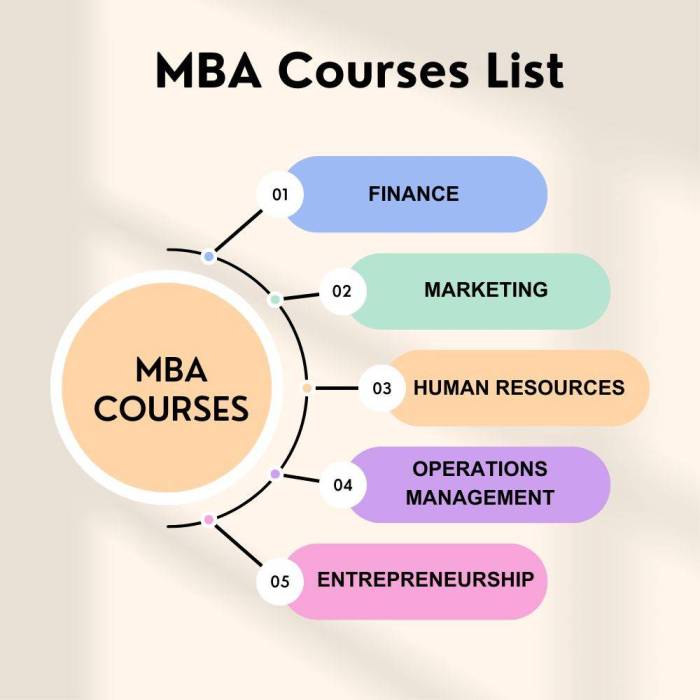
Source: gsbl.in
Understanding leadership and management in a global context is essential for modern business professionals. The nuances of leadership styles can vary greatly across cultures and regions, influencing how organizations operate and succeed in the global marketplace. As businesses expand beyond their national borders, acknowledging these differences becomes increasingly important to foster effective communication, collaboration, and innovation.Cultural differences play a significant role in shaping leadership styles around the world.
For instance, in the United States, leadership often emphasizes individualism and assertiveness, with leaders taking a more directive approach. Conversely, in many Asian cultures, a more collectivist perspective is prevalent, where leaders focus on consensus-building and nurturing relationships. This diversity in leadership styles affects not only internal management practices but also the way businesses interact with clients and stakeholders globally.
Comparison of Leadership Styles Across Cultures
Recognizing the variations in leadership styles across different cultures is crucial for global leaders. Below are some notable leadership styles from various regions:
- Transformational Leadership: Common in the United States, this style encourages innovation and motivates employees to exceed expectations by fostering a vision of change.
- Servant Leadership: Predominant in many Asian cultures, this approach prioritizes the needs of employees, focusing on their development and well-being.
- Participative Leadership: Widely found in Scandinavian countries, this style values input from team members, promoting a democratic work environment.
- Autocratic Leadership: Often observed in some Middle Eastern cultures, leaders take strong control over decisions, which can streamline processes but may stifle employee initiative.
The impact of global business dynamics on management practices is profound. With rapid technological advancements and shifts in economic power, leaders must adapt their strategies to navigate international markets effectively. For instance, organizations are increasingly leveraging remote work and digital communication, which require leaders to be adept at managing virtual teams across different time zones and cultures.
Impact of Global Business Dynamics on Management Practices
The changing landscape of global business necessitates innovative management practices. Leaders must now consider various factors that influence their approach, including:
- Technological Advancements: The rise of digital tools has transformed traditional management practices, enhancing collaboration and efficiency across borders.
- Diverse Workforce: Globalization has led to a more diverse workforce, requiring leaders to embrace inclusivity and cultural sensitivity in their management styles.
- Market Volatility: The unpredictability of global markets demands agile management practices, allowing leaders to respond swiftly to changes in consumer behavior and economic shifts.
Examples of successful global leaders illustrate the unique approaches taken in diverse business environments. Leaders such as Indra Nooyi, former CEO of PepsiCo, have demonstrated how cultural understanding and a commitment to sustainability can drive global success. Nooyi’s leadership emphasized the importance of adapting business strategies to local markets while maintaining a cohesive global identity.
Examples of Successful Global Leaders and Their Approaches
Notable global leaders have employed distinct strategies to achieve success in their organizations. Here are a few such leaders:
- Satya Nadella (Microsoft): His empathetic leadership style has fostered a culture of collaboration and innovation, significantly improving employee engagement and company performance.
- Mary Barra (General Motors): Barra’s focus on diversity and inclusion has steered GM towards a more innovative and customer-centric future, reinforcing the brand’s position globally.
- Jack Ma (Alibaba): Ma’s visionary approach emphasizes resilience and adaptability, reflecting the rapidly changing nature of the global e-commerce landscape.
By understanding these leaders’ strategies and the cultural contexts in which they operate, aspiring managers can gain valuable insights into effective global leadership.
“Leadership is not about being in charge. It’s about taking care of those in your charge.”
Simon Sinek
In conclusion, a global perspective on leadership and management reveals the rich tapestry of diverse styles and practices that define successful organizations today. By embracing these differences, leaders can foster environments that not only accommodate but also celebrate the varied contributions of their teams.
Last Recap
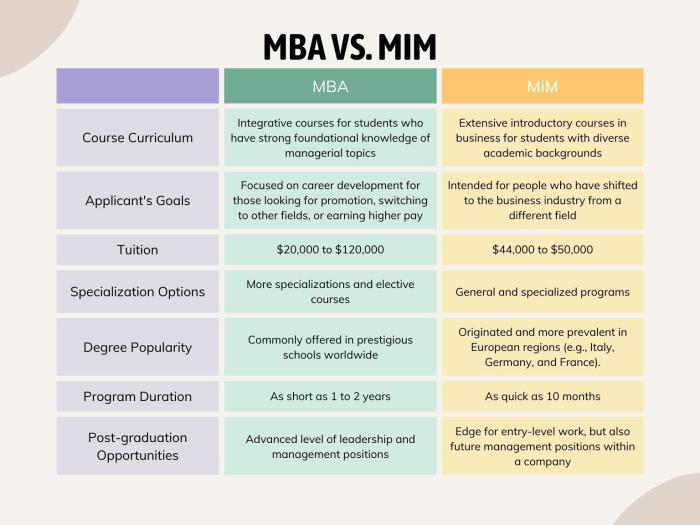
Source: mbastack.org
In conclusion, the MBA In Leadership And Management is more than just a degree; it is a transformative experience that shapes the leaders of tomorrow. By equipping individuals with the essential skills and knowledge needed in today’s competitive market, this program fosters a culture of continuous learning and adaptability. As the business world evolves, so too does the need for innovative and effective leadership, making this MBA an invaluable asset for aspiring professionals.
Clarifying Questions
What are the key benefits of pursuing an MBA in Leadership and Management?
The key benefits include enhanced leadership skills, improved management techniques, and increased career opportunities in various sectors.
How long does it typically take to complete this MBA program?
Most MBA programs in Leadership and Management can be completed in 1 to 2 years, depending on whether you study full-time or part-time.
Are there online options for obtaining an MBA in Leadership and Management?
Yes, many institutions offer online MBA programs that provide flexibility while maintaining a comprehensive curriculum.
What types of careers can I pursue with this MBA?
Graduates can pursue careers such as project manager, HR manager, operations manager, and executive roles in various organizations.
Is work experience required to enroll in an MBA program in Leadership and Management?
While not always required, having work experience can enhance your application and enrich your learning experience.