MBA Learning Platforms Revolutionizing Education Today
MBA Learning Platforms are transforming the educational landscape, making advanced business education more accessible than ever. As the world shifts towards a digital-first approach, these platforms have evolved significantly, catering to a diverse audience ranging from working professionals to recent graduates eager to enhance their skills. The flexibility and variety of programs offered through these platforms are redefining how we perceive higher education.
With the rise of online learning, understanding the different types of MBA platforms, including MOOCs and traditional university offerings, becomes crucial. Each platform brings unique features and opportunities, catering to varied learning preferences and professional goals. Whether you’re looking for interactive content or robust networking opportunities, MBA Learning Platforms provide a rich environment for personal and professional growth.
Introduction to MBA Learning Platforms

Source: hydrogenfuelnews.com
MBA learning platforms are digital environments designed to facilitate the education of students pursuing a Master of Business Administration (MBA). These platforms offer a range of resources including online courses, virtual classrooms, discussion forums, and networking opportunities, making higher education more accessible and flexible. Their significance lies in their ability to cater to the diverse needs of modern learners, allowing them to acquire business skills and knowledge in a format that suits their individual lifestyles.The evolution of MBA learning platforms has been remarkable, particularly in response to advancements in technology and changing educational needs.
Initially, MBA programs were primarily conducted in traditional classroom settings, requiring physical attendance. However, with the advent of the internet and digital learning technologies, platforms began to emerge that offered courses online. Over time, these platforms have evolved to incorporate interactive features, personalized learning paths, and even artificial intelligence to enhance the educational experience. Today, many reputable universities offer fully online MBA programs, enabling students from around the globe to participate without geographical constraints.
Target Audience for MBA Learning Platforms
The target audience for MBA learning platforms is diverse, encompassing a wide range of individuals seeking to enhance their business acumen. This includes recent graduates looking to bolster their qualifications, working professionals aiming to advance their careers, and entrepreneurs seeking essential business skills. Each of these groups has distinct motivations and requirements for pursuing an MBA, which these platforms are designed to address.
Recent Graduates
Young professionals who have just completed their undergraduate studies often turn to MBA learning platforms to improve their employability and gain advanced knowledge in business management.
Working Professionals
Individuals already in the workforce seek MBA programs to gain a competitive edge in their careers, often juggling work responsibilities with their studies. Online platforms provide the flexibility needed for this demographic.
Entrepreneurs
Business owners and aspiring entrepreneurs utilize MBA learning platforms to acquire critical skills for managing and growing their businesses, such as finance, marketing, and strategic management.
“MBA learning platforms bridge the gap between traditional education and the evolving demands of the business world.”
Types of MBA Learning Platforms
MBA learning platforms come in various forms, each designed to cater to different learning styles and professional needs. From traditional university offerings to innovative online courses, these platforms provide valuable educational pathways for aspiring business leaders. Understanding the distinct types of platforms available can help students make informed decisions in their educational journey.There are primarily two categories of MBA learning platforms: traditional university platforms and online learning platforms such as MOOCs (Massive Open Online Courses).
Each type offers unique features that cater to different learning preferences and academic needs.
Traditional University Platforms
Traditional university platforms encompass MBA programs offered by accredited institutions through in-person classes. These programs are structured around a fixed curriculum and a set schedule. Key features of traditional university platforms include:
- Structured Learning Environment: Students attend classes in person at designated times, fostering a community atmosphere and direct interaction with faculty and peers.
- Accreditation and Recognition: Degrees from established institutions often carry more weight in the job market, enhancing graduates’ employability.
- Networking Opportunities: Physical campuses provide abundant opportunities for networking with fellow students, alumni, and industry professionals.
The advantages of traditional university platforms include personalized instruction, mentorship from experienced faculty, and a focused learning environment. However, the disadvantages often include higher costs, rigid schedules, and geographical limitations, which may restrict access for some students.
Online Learning Platforms
Online learning platforms, such as MOOCs, offer MBA courses that can be accessed remotely, allowing students to learn at their own pace. These platforms provide a flexible alternative for those balancing work and study.Key features of online learning platforms include:
- Flexibility: Students can access course materials anytime and anywhere, accommodating diverse schedules and commitments.
- Diverse Course Offerings: Many platforms provide a wide range of courses from various institutions, allowing students to tailor their learning experiences.
- Cost-Effective: Online MBA programs often have lower tuition fees compared to traditional programs, making them more accessible to a broader audience.
The advantages of online learning platforms include accessibility and a vast array of subject matter. However, they may lack the personal interaction and networking opportunities inherent in traditional settings. Students may also face challenges with self-discipline and motivation, as the independent nature of online learning can lead to procrastination.
“The choice between traditional and online MBA platforms ultimately depends on individual learning preferences, career goals, and lifestyle needs.”
Key Features of Effective MBA Learning Platforms
Effective MBA learning platforms are designed to enhance the educational experience for students by integrating modern technology and user-centric features. When selecting an MBA learning platform, it’s crucial to understand the essential features that contribute to a productive learning environment. This encompasses everything from content delivery methods to networking opportunities that foster professional growth.A well-rounded MBA learning platform should include interactive content, user-friendly interfaces, and mobile accessibility to engage students effectively.
These features not only enhance the learning experience but also ensure that students can access resources anytime and anywhere, catering to their diverse needs.
Interactive Content
Interactive content plays a vital role in keeping students engaged and motivated. It transforms traditional learning materials into dynamic experiences through the use of multimedia elements such as videos, quizzes, and discussion forums.
Engagement
Interactive elements like simulations and case studies encourage real-world application, promoting critical thinking.
Feedback
Instant feedback through quizzes and assessments helps students understand their progress and areas that require improvement.
Collaboration
Group projects and discussion boards foster collaborative learning, where students can share insights and strategies.
User-Friendly Interfaces
A user-friendly interface is essential for ensuring that students can navigate the platform with ease. A well-designed interface simplifies access to course materials, tools, and resources.
Intuitive Navigation
Clear menus and well-organized content help users find what they need without frustration.
Personalization
Customizable dashboards allow students to tailor their learning experience according to their preferences and goals.
Accessibility
Platforms that comply with accessibility standards ensure all students, including those with disabilities, can participate fully.
Mobile Accessibility
Mobile accessibility is increasingly important as many students balance studies with work and personal commitments. Effective MBA learning platforms are optimized for mobile devices, enabling learning on the go.
Responsive Design
Platforms that adapt to various screen sizes provide a seamless experience across devices.
Offline Access
Features that allow downloading materials for offline use ensure students can continue learning without relying on a constant internet connection.
Networking Opportunities
Networking is a crucial aspect of business education, and effective MBA learning platforms facilitate connections among students, alumni, and industry professionals.
Virtual Events
Many platforms host webinars, guest lectures, and networking events that provide valuable interaction with experts.
Alumni Networks
Access to alumni groups allows current students to connect with graduates, fostering mentorship and career opportunities.
Peer Networking
Discussion forums and group projects enable students to develop relationships that can lead to collaborations in their professional lives.
Examples of Well-Rated Features
Several MBA learning platforms have gained recognition for their standout features that enhance the learning experience.
Coursera
Known for its interactive courses that include peer reviews and hands-on projects, Coursera effectively blends theory with practice.
edX
Offers a user-friendly interface with options for personalized learning paths, allowing students to focus on their unique interests and career goals.
LinkedIn Learning
Its mobile-friendly design enables users to access courses anytime, making it convenient for busy professionals seeking to enhance their skills.
Harvard Business School Online
Features a strong emphasis on real-world case studies, providing students with insights from leading industry experts.Each of these platforms exemplifies how effective features can significantly enhance the MBA learning experience, making education more engaging, accessible, and applicable to real-world scenarios.
Popular MBA Learning Platforms
Source: clearadmit.com
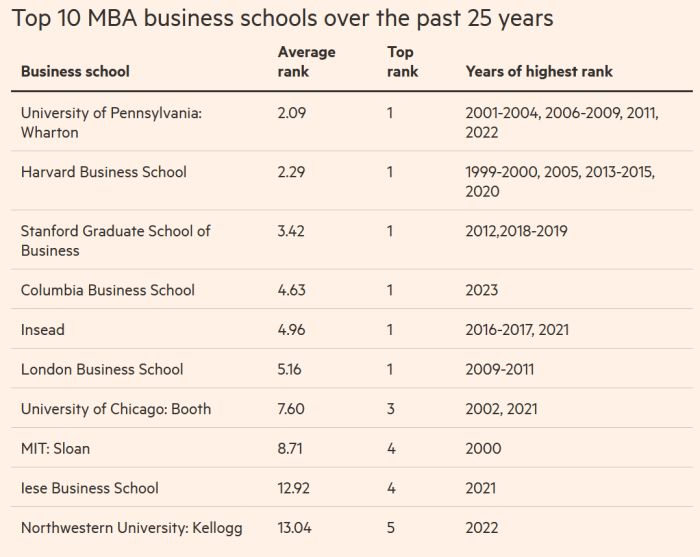
The landscape of MBA learning platforms is rich and varied, catering to diverse learning needs and preferences. With the growing demand for flexible education options, several platforms have emerged as frontrunners in delivering quality MBA programs. This section highlights some of the most popular MBA learning platforms, showcasing their unique offerings and user experiences.
Well-Known MBA Learning Platforms
Numerous platforms have established themselves as leaders in online MBA education. Below is a list of some of the most recognized platforms, each offering distinct features and advantages.
-
Coursera:
Coursera partners with top universities and organizations to provide MBA courses. The platform features a wide array of specializations, allowing students to tailor their learning experience. Users appreciate the quality of content and the flexibility to learn at their own pace.“Courses are well-structured and engaging, with great instructors.”
-
edX:
Similar to Coursera, edX provides a variety of MBA programs from renowned institutions. Students can access MicroMasters programs and professional certificates. The platform is known for its rigorous academic standards and ability to take courses for free (audit option).“The audit option is fantastic for exploring subjects without commitment.”
-
LinkedIn Learning:
While not exclusively focused on MBA programs, LinkedIn Learning offers a plethora of business courses that can complement MBA studies. Its integration with LinkedIn makes it easier for students to showcase skills to potential employers.“Great platform for skill-building and networking opportunities.”
-
FutureLearn:
This platform features a variety of MBA courses and programs from international universities. FutureLearn emphasizes social learning and engagement with course peers, enhancing the overall educational experience.“I loved the interactive discussions with fellow learners.”
User Reviews and Testimonials
User feedback plays a crucial role in assessing the effectiveness of these platforms. Here are some testimonials from users regarding their experiences:
- “Coursera transformed my learning experience. The courses were insightful, and I could apply what I learned immediately to my job.”
- “edX provided me with access to high-quality content from top universities, all while being flexible and affordable.”
- “LinkedIn Learning helped me to bridge gaps in my skill set and boosted my confidence during job interviews.”
Comparison of Top MBA Learning Platforms
A comparison of the leading MBA learning platforms can help prospective students make informed decisions based on their needs. Below is a table summarizing key features and pricing:
| Platform | Key Features | Pricing |
|---|---|---|
| Coursera | Partnerships with top universities, wide range of specializations, flexible scheduling | Free courses available; Specializations starting from $39/month |
| edX | MicroMasters programs, professional certificates, audit options | Free audit available; Verified certificates starting at $199 |
| LinkedIn Learning | Focus on business skills, integration with LinkedIn, personalized recommendations | $29.99/month or $239.88/year |
| FutureLearn | Social learning experience, diverse course offerings, international focus | Free access to courses; Upgraded options starting at $39/course |
The Role of Technology in MBA Learning
The integration of technology into MBA learning platforms is revolutionizing the educational landscape, enabling a more engaging and effective learning environment. Emerging technologies such as artificial intelligence (AI) and virtual reality (VR) are enhancing the way students interact with the material, making the learning experience more immersive and personalized. These advancements are not just trends; they are reshaping how knowledge is delivered and consumed in the realm of business education.The importance of data analytics in personalizing learning experiences cannot be overstated.
By leveraging data, MBA programs can tailor content and resources to meet the individual needs of students, thereby improving retention and success rates. This approach allows for a more customized curriculum that adapts to the varying learning styles and paces of students, creating a more effective educational experience.
Emerging Technologies in MBA Learning Platforms
The incorporation of AI and VR into MBA learning environments is becoming increasingly prevalent. These technologies offer students innovative ways to engage with course material and each other. AI can analyze student performance and learning patterns, enabling platforms to provide customized recommendations for resources, study plans, and even peer collaborations. This ensures that students are not only absorbing knowledge but are also engaging with it in a meaningful way.VR, on the other hand, allows for simulated real-world scenarios where students can apply their theoretical knowledge.
For instance, platforms like Wharton’s MBA program utilize VR technology to create virtual case studies and simulations that mimic actual business challenges, allowing students to experience decision-making processes in a controlled yet realistic setting.
Data Analytics in Personalizing Learning Experiences
Data analytics is crucial for understanding the efficacy of various teaching methodologies and for personalizing the educational journey of MBA students. By analyzing data collected from student interactions, feedback, and assessments, educational institutions can identify trends and areas that require improvement. For example, platforms like Coursera utilize data analytics to monitor course engagement and completion rates. This data helps them refine their offerings and provide tailored content recommendations based on individual user activity.
The application of data analytics not only enhances the learning experience but also ensures that every student receives the support they need to succeed.
Technology Integration in Specific MBA Platforms
Several MBA platforms are leading the way in technology integration, offering advanced features that enhance the learning experience.
Harvard Business School Online
This platform incorporates interactive content with a focus on real-world application, using case studies and group discussions facilitated through advanced communication tools.
INSEAD
INSEAD’s platform employs AI-driven analytics to customize learning pathways for students, ensuring that each individual can progress at their own pace while receiving targeted support.
University of Illinois’ iMBA
This online program utilizes VR for virtual networking events, allowing students to connect with peers and instructors in a simulated environment, bridging the gap between remote learning and personal interaction.These examples illustrate how technology is not just an accessory but a fundamental component of modern MBA programs, enhancing the educational experience and preparing students for the demands of the business world.
Challenges Faced by MBA Learning Platforms
Source: marketbusinessnews.com
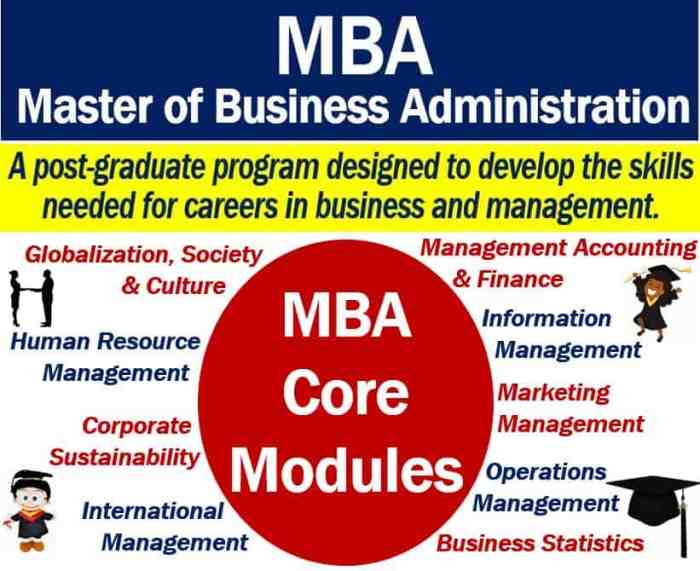
MBA learning platforms have revolutionized the way students pursue their degrees, offering flexibility and accessibility. However, these platforms also face significant challenges that can impact their effectiveness and appeal. Understanding these challenges is crucial for students, educators, and administrators alike, as it helps identify areas for improvement and innovation within the online MBA landscape.
Student Engagement and Retention
One of the primary challenges facing MBA learning platforms is maintaining student engagement and retention. The online environment can sometimes feel isolating, making it difficult for students to stay motivated. Several factors contribute to this issue, including the lack of face-to-face interaction, the overwhelming volume of coursework, and the self-directed nature of online learning. To address these challenges, platforms can implement various strategies to enhance the learning experience.
- Interactive Learning Modules: Incorporating multimedia content such as videos, quizzes, and discussion forums can help break the monotony and stimulate interest in the material.
- Regular Check-ins: Scheduled virtual meetings with instructors or academic advisors can provide necessary support and encouragement to keep students on track.
- Peer Collaboration: Facilitating group projects or study groups can foster a sense of community, encouraging students to engage with their peers and collaborate on assignments.
Accreditation Implications for Online MBA Programs, MBA Learning Platforms
Accreditation plays a significant role in the legitimacy and recognition of online MBA programs. Many students seek programs that are accredited by recognized bodies because it often influences hiring decisions and overall program quality. However, the process of obtaining and maintaining accreditation can present challenges for MBA learning platforms, particularly those that are relatively new or innovative.
- Resource Allocation: Obtaining accreditation requires significant investment in resources, including curriculum development, faculty qualifications, and administrative support. Newer platforms may struggle to meet these standards.
- Industry Standards Compliance: Programs must continuously adapt to meet changing accreditation standards, which can be a moving target as educational practices evolve.
Solutions to Enhance Effectiveness
To overcome the challenges faced by MBA learning platforms, it is essential to implement solutions that enhance their overall effectiveness. Emphasizing the importance of creating a supportive learning environment can significantly improve student outcomes and satisfaction.
- Utilizing Learning Analytics: Platforms can leverage data analytics to monitor student performance and engagement, allowing for timely interventions to support at-risk students.
- Flexible Learning Paths: Offering personalized learning experiences enables students to progress at their own pace, accommodating individual schedules and learning styles.
- Continuous Improvement Feedback Loops: Establishing channels for student feedback helps platforms refine and enhance course offerings, ensuring they remain relevant and effective.
“By addressing student engagement, accreditation challenges, and implementing effective solutions, MBA learning platforms can significantly enhance their impact on learners.”
Future Trends in MBA Learning Platforms
As the landscape of education continues to evolve, MBA learning platforms are also expected to undergo significant transformations. The future will likely witness the incorporation of advanced technologies and innovative methodologies tailored to enhance the learning experience. With the increasing demand for flexible and accessible education, these platforms are poised to adapt and thrive in this dynamic environment.Several trends are emerging that could shape the future of online MBA education.
One notable shift is the move towards personalized learning experiences, leveraging data analytics and AI to tailor coursework to individual student needs. Additionally, the rise of micro-credentials and short courses offers a flexible alternative to traditional MBA programs, allowing learners to acquire targeted skills more quickly.
Impact of Global Events on MBA Learning Platforms
Global events, such as the COVID-19 pandemic, have dramatically accelerated the adoption of online learning. Many institutions have had to pivot swiftly to online platforms, showcasing their capabilities and potential. This shift has highlighted the importance of resilience and adaptability in educational frameworks, forcing many MBA programs to rethink their delivery methods and content.The impact of future global events will continue to influence these platforms.
For instance, increased remote work trends can lead to a greater emphasis on online collaboration and communication skills as key components of the curriculum. Additionally, global economic shifts may necessitate a real-time response in program offerings, aligning coursework with current market demands.
Innovative Ideas for Enhancing Online MBA Learning Experiences
To stay competitive and engaging, MBA learning platforms can incorporate several innovative strategies to enhance the online learning experience. These strategies include:
- Virtual Reality (VR) and Augmented Reality (AR): Using immersive technologies for simulations and real-world problem-solving scenarios can provide practical experiences that are often lacking in traditional online formats.
- Gamification: Integrating game-like elements into the curriculum can boost student engagement. This approach encourages participation through rewards and challenges, making learning more enjoyable and interactive.
- Peer-to-Peer Learning: Facilitating platforms for peer interaction, mentorship, and group projects can create a sense of community among students, enriching their educational journey.
- Customized Learning Paths: Offering tailored pathways that allow students to select courses based on their career goals can increase motivation and relevance to individual aspirations.
- AI-Driven Feedback Systems: Implementing AI tools that provide real-time feedback on assignments can help students improve continuously and engage more deeply with the content.
The combination of these innovative ideas not only enriches the learning experience but also prepares students to navigate the complexities of the modern business landscape effectively. By staying ahead of trends and adapting to global shifts, MBA learning platforms can ensure they meet the evolving needs of future leaders in the business world.
Case Studies of Successful MBA Learning Platforms
The landscape of MBA learning platforms is diverse, showcasing innovative approaches to education that cater to various learning styles and professional needs. In this section, we will explore several successful case studies of MBA learning platforms that have made significant impacts in the realm of business education. These platforms not only provide valuable content but also demonstrate unique offerings that set them apart in a competitive market.One notable case study is Coursera for Business, which has partnered with leading universities to offer specialized MBA programs and courses.
Coursera’s unique offerings include access to a broad range of courses from top institutions, allowing learners to customize their educational experiences according to their career aspirations. This platform is particularly effective due to its flexible scheduling, enabling working professionals to balance studies with their job responsibilities.
Key Performance Indicators and Benchmarks
Understanding the effectiveness of these platforms requires measuring their performance against specific benchmarks. Below are some key performance indicators observed from these successful platforms:
- Enrollment Growth: Coursera for Business reported a significant increase in corporate partnerships, leading to a 150% growth in enrollment over two years.
- Completion Rates: Platforms like edX and FutureLearn boast completion rates averaging 30-40%, showcasing the effectiveness of their engagement strategies.
- Job Placement Rates: MBA programs on platforms such as LinkedIn Learning have shown a 20% increase in job placements for graduates, reflecting their industry-aligned curricula.
- User Satisfaction Scores: Platforms like Udacity consistently achieve satisfaction scores above 85%, indicating high levels of learner satisfaction and perceived value.
The impressive performance metrics of these platforms not only highlight their popularity but also underscore the importance of continuously engaging learners through technology and community support.
Best Practices Derived from Successful Platforms
The success of these MBA learning platforms can be attributed to a series of best practices that enhance the learning experience and ensure student success. Below are practices that have emerged from the analysis of these platforms:
- Adaptive Learning Technologies: Incorporating AI-driven tools that personalize content for individual learners based on their progress and understanding.
- Industry Collaboration: Partnering with businesses to design curricula that reflect current market demands and trends, ensuring relevancy.
- Robust Support Systems: Providing comprehensive support services, including mentorship and career counseling, to aid learners in their professional journeys.
- Community Building: Developing forums and networking opportunities to foster connections among learners, alumni, and faculty, enriching the educational experience.
Implementing these best practices can significantly enhance the effectiveness and appeal of MBA learning platforms, positioning them for ongoing success in the evolving educational landscape.
Final Summary
In conclusion, MBA Learning Platforms are not just reshaping how business education is delivered; they are paving the way for more personalized, engaging, and effective learning experiences. As technology continues to advance and new trends emerge, these platforms will likely become even more integral to the education sector. Embracing the potential of these platforms can lead to significant advancements in how we approach learning and career development in the future.
FAQ Corner
What are MBA Learning Platforms?
MBA Learning Platforms are online resources providing business education through various formats, including courses and degrees, accessible from anywhere.
How do I choose the right MBA Learning Platform?
Consider factors such as course offerings, learning style, platform reputation, and user reviews to find the best fit for your needs.
Are online MBA programs accredited?
Many online MBA programs are accredited, but it’s essential to verify the accreditation status of the specific program you’re interested in.
Can I network through MBA Learning Platforms?
Yes, many platforms offer networking opportunities, connecting you with peers, alumni, and industry professionals.
What technology is used in MBA Learning Platforms?
Technologies such as artificial intelligence, virtual reality, and data analytics are often integrated to enhance learning experiences.