MBA Program Duration Insights for Aspiring Students
MBA Program Duration is a crucial factor for anyone considering this advanced degree. Understanding how long it takes to complete an MBA can greatly influence your educational and professional journey. This overview will delve into the various types of MBA programs and the factors that affect their duration, helping prospective students make informed decisions.
From full-time programs that immerse students in rigorous coursework to part-time and executive options that offer flexibility, the duration of an MBA program varies widely. Factors such as course load, internships, and university policies all play a significant role in determining how long it will take to earn your degree. This discussion aims to provide clarity on these aspects, making your pathway to an MBA more navigable.
Understanding MBA Program Duration
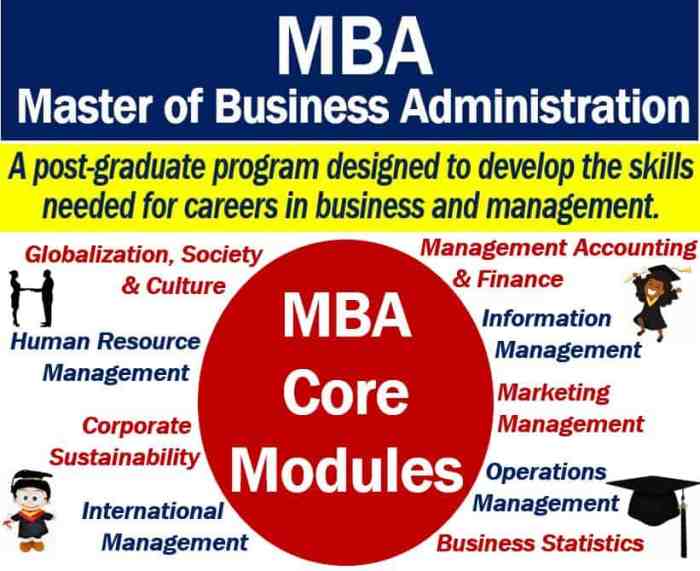
Source: marketbusinessnews.com
The duration of MBA programs varies significantly based on the format and structure. Understanding these differences can help prospective students choose the right path that aligns with their career goals and personal commitments. MBA programs are designed to equip students with advanced business skills; however, the time commitment can differ greatly depending on whether one opts for full-time, part-time, or executive programs.The standard timeframes for various types of MBA programs can greatly influence the overall experience and learning pace.
Generally, full-time MBA programs take about two years to complete, while part-time programs can extend anywhere from three to four years, allowing students to work concurrently. Executive MBA programs typically last around 18 to 24 months, designed for professionals with significant work experience who can apply their classroom learning directly to their roles.
Factors Affecting MBA Program Duration
Several factors can impact the duration of an MBA program, including program format, course load, and individual circumstances. Understanding these factors is critical for prospective students in planning their educational journey effectively.
- Program Format: Different formats such as full-time, part-time, and online can dictate the length of the program. Full-time options are typically more intensive, whereas part-time and online programs offer flexibility that may extend duration.
- Course Load: The number of courses taken per semester can significantly influence how quickly one completes the program. Students who opt for a heavier course load may finish sooner than those who take fewer classes.
- Internships and Projects: Many MBA programs incorporate internships or capstone projects which can add additional time. While these experiences are invaluable, they can also extend the duration of the program.
- Personal Commitments: Factors such as work, family, and other responsibilities can affect how much time a student can dedicate to their studies, potentially lengthening the duration of the program.
- Accelerated Programs: Some institutions offer accelerated programs that allow students to complete their MBA in a shorter timeframe, often within one year, catering to those who seek a faster track.
The duration of an MBA program is not just about the time spent in classes; it also encompasses the learning experience, networking opportunities, and practical application of skills.
Different Types of MBA Programs

Source: indiacsr.in
The world of MBA programs offers a variety of options tailored to the needs of different students and professionals. Each type of program comes with its own structure, duration, and delivery method, enabling individuals to select the one that best aligns with their career goals and personal circumstances. Understanding these variations can help prospective students make informed choices as they embark on their MBA journey.
Full-time MBA Programs
Full-time MBA programs are designed for students who can dedicate themselves completely to their studies. These programs typically span a duration of two years, although some institutions may offer accelerated one-year options. The full-time format allows for an immersive experience, where students engage in intensive coursework, group projects, and networking opportunities with peers and faculty. In a full-time program, students attend classes during weekdays, often resembling a traditional college schedule.
This structure promotes a dynamic learning environment where participants can fully immerse themselves in their academic pursuits, extracurricular activities, and internship opportunities.
Part-time MBA Programs, MBA Program Duration
Part-time MBA programs cater to working professionals who wish to advance their education while maintaining their jobs. The duration of these programs generally ranges from three to four years, depending on the student’s pace and the program’s structure. Part-time students typically attend classes during evenings or weekends, providing flexibility to balance work commitments and academic responsibilities. This format allows professionals to apply what they learn in real-time, enriching their work experience and contributing to classroom discussions.
The extended duration also gives students the opportunity to network with fellow professionals and gain insights from diverse industry perspectives.
Executive MBA Programs
Executive MBA (EMBA) programs are tailored for seasoned professionals seeking advanced leadership skills and strategic insights. These programs usually require a significant time commitment, but they are designed to accommodate the schedules of busy executives. EMBA programs often span around 18 to 24 months and may involve a combination of weekend classes and occasional intensive week-long sessions. The curriculum emphasizes practical, real-world applications of business theories, often involving case studies and group projects with immediate relevance to the participants’ work environments.
The cohort model used in many EMBA programs fosters strong networking opportunities, as participants are typically mid to senior-level professionals with diverse backgrounds. This collaborative environment enhances learning and promotes the sharing of experiences that enrich the overall educational experience.
“Choosing the right type of MBA program is crucial for aligning your educational journey with your career aspirations.”
Factors Influencing MBA Program Duration

Source: clearadmit.com
The duration of an MBA program can be influenced by various factors, each contributing to the overall time commitment required for completion. Understanding these factors is crucial for prospective students as they navigate their educational pathways and make informed decisions about their future. Here, we will explore how course load, internships, and university policies play a significant role in determining the length of MBA programs.
Impact of Course Load on Program Length
The course load a student chooses to undertake has a direct impact on the duration of their MBA program. Programs typically offer various options for course loads, from full-time to part-time attendance. A heavier course load can allow students to complete their degree more quickly, while a lighter load can extend the duration.
- Full-time students often complete the program in two years or less, as they take on more classes each semester.
- Part-time students may take longer, often three to four years, allowing them to balance work and study more effectively.
- Accelerated programs exist, typically lasting 12 to 18 months, which require a significant commitment and advanced course loads.
In essence, the choice of course load is a critical factor that directly correlates with how quickly a student can progress through their MBA studies.
Role of Internships and Practical Experience
Internships and practical experiences are integral components of many MBA programs, influencing their duration either by extending or shortening it. These experiences provide valuable real-world skills but can also affect how and when students complete their coursework.
- Internships often require students to take a break from their studies, potentially lengthening the overall program duration.
- Some programs integrate internships as credits, allowing students to gain practical experience while also earning credits towards their degree, thus shortening the overall time needed.
- Full-time internships during summer breaks can create opportunities for accelerated learning and networking, which may lead to quicker job placements post-graduation, but they may also require students to adjust their course schedules to accommodate these experiences.
Therefore, the nature and timing of internships significantly shape the MBA journey, affecting how long students remain in the program.
Influence of University Policies on Duration
University policies regarding course structure, credit transfers, and program requirements have a profound influence on how long it takes to complete an MBA program. Each institution may have different regulations that can either facilitate or hinder a student’s progress.
- Some universities allow for credit transfers from other institutions, which can reduce the time needed if students have previously completed relevant coursework.
- Policies on course prerequisites can affect the sequence in which classes are taken, potentially resulting in delays if students cannot enroll in necessary courses in a timely manner.
- Flexible scheduling options, such as online classes or weekend programs, may offer students the chance to complete their degrees at their own pace, ultimately impacting how long they remain enrolled.
Thus, understanding the specific policies of the chosen institution is essential for students as they map out their academic plans and timelines.
Customization and Flexibility in MBA Programs
The landscape of MBA programs has evolved significantly to cater to the diverse needs of students. Modern MBA programs offer a range of customizable options that adjust to personal and professional commitments, allowing candidates to choose paths that align with their career goals and lifestyles. This flexibility is particularly beneficial for working professionals or those with personal responsibilities. One prominent aspect of customization within MBA programs is the ability to tailor the curriculum and duration to fit individual preferences.
Many institutions provide varied formats which can drastically change the time it takes to complete the degree. For instance, students may have the option to choose between part-time, full-time, or online formats, which can all influence the overall length of the program.
Examples of Customizable MBA Programs
Several universities offer MBA programs with flexible structures that allow students to customize their learning experience. Notable examples include:
- University of Pennsylvania (Wharton)
-Offers a flexible MBA program where students can complete their degree in as little as 20 months or extend it up to five years. - Northwestern University (Kellogg)
-Provides a part-time MBA option, allowing students to take a mix of online and in-person classes, with a completion timeframe that can be extended to three years. - University of Southern California (Marshall)
-Features an online MBA that can be completed in as few as 21 months, with a flexible pace accommodating busy schedules.
Accelerated MBA programs are another popular option for students seeking to fast-track their education. These programs typically condense the traditional curriculum into a shorter timeframe, often allowing completion in one year. The compressed schedule requires a more intense commitment, but it can be particularly advantageous for professionals looking to make a quick transition or advancement in their careers.
Advantages of Accelerated MBA Programs
Accelerated MBA programs present several key benefits:
- Time Efficiency: Students can complete their degree in one year, enabling them to re-enter the job market or advance in their current roles more rapidly.
- Cost-effectiveness: A shorter duration typically translates to lower overall tuition costs, as students pay for fewer semesters.
- Intense Learning Experience: The accelerated pace often leads to a more immersive educational experience, as students engage more deeply with the material due to the compact schedule.
Universities Offering Flexible MBA Options
Many institutions recognize the importance of flexibility in MBA programs and offer various formats to accommodate diverse student needs. Below is a list of universities that provide flexible MBA options, each with unique duration formats:
- Harvard Business School: Offers a full-time two-year MBA with the option to take a leave of absence.
- Columbia Business School: Provides a flexible MBA with students able to complete the program in as little as 16 months.
- University of Michigan (Ross): Offers a customizable curriculum and an optional one-year MBA track.
- Duke University (Fuqua): Features a weekend executive MBA program that can be completed in 22 months.
- University of Texas at Austin (McCombs): Offers both full-time and part-time MBA programs, with various options for completing the degree in two to three years.
Global Perspectives on MBA Duration
The duration of MBA programs varies significantly across the globe, influenced by regional educational structures, cultural values, and economic conditions. Understanding these differences provides a richer perspective on how MBA programs are tailored to meet local needs while maintaining global standards.In many countries, the typical duration of MBA programs ranges from one to two years, with notable exceptions that reflect local educational philosophies and labor market demands.
For example, in the United States, a full-time MBA program often spans two years, incorporating summer internships as a critical component of the learning experience. Conversely, in Europe, some programs can be completed in just one year, reflecting a more intensive curriculum designed for quicker entry into the workforce.
Comparative Analysis of MBA Durations
Different countries showcase distinct approaches to MBA program lengths, shaped by their educational frameworks and societal expectations. The following table Artikels the average durations of MBA programs across various regions:
| Country | Typical Duration |
|---|---|
| United States | 2 years |
| United Kingdom | 1 year |
| Canada | 2 years |
| Australia | 1 to 2 years |
| India | 2 years |
| Germany | 1 year |
Cultural factors play a crucial role in these differences. For instance, in cultures that prioritize work experience before advanced education, such as in the U.S. and Canada, longer programs may be favored to accommodate internships and practical learning. In contrast, European countries often emphasize a more condensed format, appealing to students eager to re-enter the workforce quickly.
“Educational systems adapt to their cultural contexts, influencing the duration and structure of MBA programs worldwide.”
Statistics indicate that the global average MBA program duration is around 16 to 18 months, varying considerably with local traditions and student demographics. According to a survey conducted by the Graduate Management Admission Council (GMAC), approximately 40% of MBA programs worldwide are designed to be completed in one year, with a growing trend towards accelerated formats to meet the needs of busy professionals.Understanding these global perspectives on MBA durations not only enlightens prospective students about their options but also helps educational institutions align their programs with the expectations and requirements of different markets.
Time Management Strategies for MBA Students
MBA programs can be demanding, requiring students to juggle coursework, work commitments, and personal life simultaneously. Mastering time management is essential for academic success and personal well-being. Developing a tailored time management plan can help students navigate their responsibilities effectively while maximizing their learning experience.A well-structured time management plan should cater to the various durations of MBA programs, whether full-time, part-time, or executive.
This plan should focus on prioritizing tasks, setting realistic goals, and allocating sufficient time for each responsibility. Below are some strategies that can enhance time management for MBA students.
Time Management Plan for Different MBA Durations
Creating an effective time management plan starts with understanding the unique demands of the MBA program format. Here are tailored strategies based on program duration:
- Full-Time MBA (1-2 Years): Focus on creating a weekly study schedule that allocates specific hours for each subject. Incorporate breaks to avoid burnout and utilize weekends for group projects and networking events.
- Part-Time MBA (2-3 Years): Balance work and studies by dedicating evenings or weekends for coursework. Use a digital calendar to schedule classes, assignment deadlines, and work commitments, ensuring time is allocated for both professional and academic tasks.
- Executive MBA (1-2 Years): Given that most students are working professionals, utilize block scheduling. Designate specific days for classes and reserve certain hours during the week for studying, ensuring alignment with work responsibilities.
Balancing Coursework, Work, and Personal Life
Maintaining a balance between academic, professional, and personal commitments is crucial for MBA students. Employing effective strategies can facilitate a healthier work-life balance:
- Set Clear Priorities: Identify tasks based on urgency and importance. Use a prioritization matrix to categorize tasks, ensuring that critical deadlines are met without sacrificing personal time.
- Establish Boundaries: Communicate your schedule with colleagues and family to set expectations regarding your availability. This helps minimize conflicts and distractions during study time.
- Utilize Technology: Leverage apps for time management and reminders. Tools like Trello or Asana can help track projects and deadlines, while Google Calendar can manage your schedule efficiently.
Maximizing Learning Resources
To make the most of the available resources during the MBA journey, students should adopt proactive strategies:
- Engage in Peer Learning: Form study groups with fellow students to share knowledge and resources. Discussing ideas with peers can enhance understanding and retention of course material.
- Take Advantage of Faculty Office Hours: Utilize professors’ office hours to clarify doubts or seek guidance on projects. This one-on-one interaction can deepen understanding of complex topics.
- Participate in Workshops and Seminars: Attend additional learning opportunities offered by the school. Workshops on specialized topics or networking seminars can provide invaluable insights beyond the classroom.
Effective time management is not just about managing time; it’s about managing priorities.
The Impact of Duration on Career Outcomes
The duration of an MBA program can significantly influence the career trajectories of its graduates. Whether it’s a one-year intensive program or a more traditional two-year option, the choice of duration can lead to varied career opportunities, networking possibilities, and overall impact on one’s professional journey. Understanding these nuances is essential for prospective students evaluating their options.The length of an MBA program can shape not only the skills gained but also the timing of entering the job market and the types of roles graduates pursue.
Generally, shorter programs offer expedited learning and quicker entry into the workforce, while longer programs often provide deeper immersion and more opportunities for internships or practical experiences.
Influence of Program Length on Job Opportunities
The correlation between MBA program duration and career outcomes is evident through several factors. Graduates from different program lengths often find varying levels of job offers and salary packages.
Short Program Graduates
One-year MBA graduates often target mid-level management positions directly after their studies. These programs typically attract professionals with significant work experience, allowing them to leverage their prior knowledge and networks for swift career advancement. For instance, a graduate of a one-year program at a prestigious institution like INSEAD may quickly secure roles in consulting firms like McKinsey or Bain due to their fast-paced education and focused curriculum.
Long Program Graduates
On the other hand, two-year MBA graduates tend to have a broader experience base, which can include summer internships and electives that further enhance their skill set. For example, a two-year MBA from Harvard might lead to opportunities in industries that value broader knowledge and experience, such as finance or technology. The additional year allows for deeper specialization and networking, often leading to higher starting salaries.
“The depth of knowledge gained during a comprehensive MBA program often translates into a broader range of career options and higher earning potential.”
Case Studies of Successful Professionals
Analyzing real-world examples of successful professionals can provide insights into how the duration of their MBA programs influenced their career trajectories.
Mark, a One-Year MBA Graduate
After completing his MBA in a one-year program at Wharton, Mark entered the tech industry as a product manager. He attributes his rapid ascent in the company to the intense, focused learning environment that prepared him for immediate challenges in the field.
Sarah, a Two-Year MBA Graduate
In contrast, Sarah graduated from a two-year program at Stanford and took advantage of her summer internship to pivot from marketing to a strategic management role at a Fortune 500 company. Her longer program allowed her to explore various facets of business, ultimately leading to her current executive position.
Employer Perceptions of MBA Duration
Employers often have distinct perceptions regarding the length of MBA programs and how it relates to candidate readiness. Companies may value the rigor associated with longer MBA programs, associating them with comprehensive training and a more well-rounded skill set.
Quality vs. Duration
Many employers assert that while the quality of the program matters, the duration can also signal a candidate’s commitment to their professional development. Employers from industries such as consulting and finance often prefer candidates from longer programs, believing they have had more time to develop critical soft skills and industry knowledge.
Shortened Programs and Immediate Contributions
Conversely, some companies embrace candidates from shorter programs, viewing them as adaptable and ready to contribute immediately. This perspective is particularly prevalent in startups and tech companies, where agility and quick decision-making are valued above extensive formal training.The impact of MBA program duration on career outcomes reflects a complex interplay of educational depth, professional experience, and market perceptions, making it a crucial consideration for prospective students.
Outcome Summary
In summary, understanding the MBA Program Duration is essential for aligning your academic goals with your career aspirations. By considering the different types of programs, the factors influencing their duration, and time management strategies, you can make a well-informed choice. Whether you opt for an accelerated program or a more traditional path, the right MBA duration can set the stage for success in your future endeavors.
Answers to Common Questions
What is the typical duration of a full-time MBA program?
A full-time MBA program generally takes about two years to complete.
How long does a part-time MBA program last?
A part-time MBA program can take anywhere from three to five years, depending on the student’s pace.
What is an accelerated MBA program?
An accelerated MBA program is designed to be completed in a shorter time frame, often within one year.
Do internships affect the duration of an MBA program?
Yes, internships can extend the duration of an MBA program if they are integrated into the curriculum.
Are there online MBA programs with flexible durations?
Yes, many online MBA programs offer flexible durations tailored to the needs of students.