MBA Specializations List Exploring Your Path to Success
MBA Specializations List sets the stage for this enthralling narrative, offering readers a glimpse into a story that is rich in detail and brimming with originality from the outset. MBA specializations have become an essential component of advanced business education, allowing professionals to tailor their studies to align with their career aspirations and industry demands. Over the years, these specializations have evolved, reflecting changes in the business landscape and emerging trends, making it crucial for aspiring leaders to understand their options.
Overview of MBA Specializations
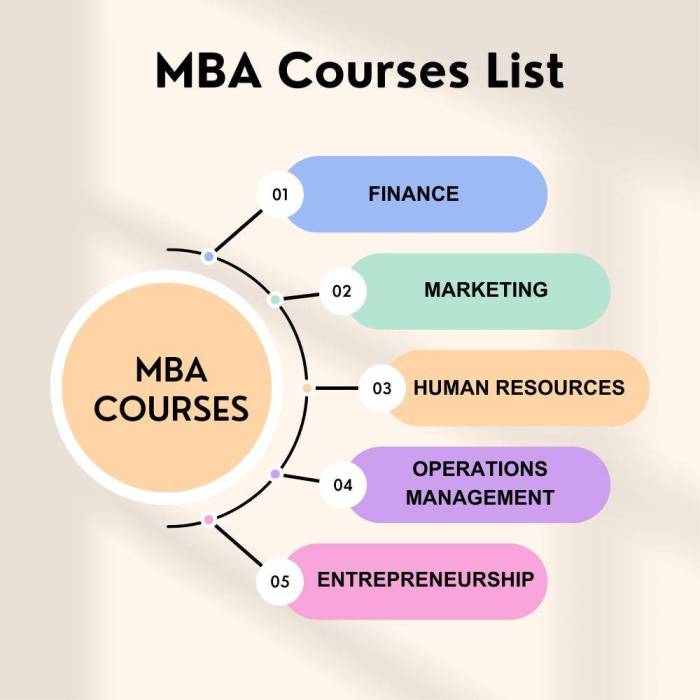
Source: gsbl.in
MBA specializations refer to specific areas of focus within a Master of Business Administration program, allowing students to tailor their education to their interests and career goals. These specializations are crucial as they provide in-depth knowledge and skills that are particularly relevant to certain sectors of the business world, helping graduates stand out in a competitive job market.Over the years, MBA specializations have evolved to meet the demands of a rapidly changing global economy.
Initially, programs offered broad business education with specializations that were limited to traditional areas such as finance and marketing. However, as industries expanded and new sectors emerged—like technology, sustainability, and entrepreneurship—the range of MBA specializations has diversified significantly. This evolution reflects the need for specialized skills that align with contemporary business challenges and opportunities.
Common MBA Specializations
The following table Artikels common MBA specializations along with brief descriptions of each, highlighting their relevance in today’s business landscape:
| Specialization | Description |
|---|---|
| Finance | Focuses on investment analysis, financial management, and capital markets, preparing students for roles in banking, investment firms, and corporate finance. |
| Marketing | Centers on market research, consumer behavior, and strategic marketing, equipping graduates for careers in advertising, brand management, and digital marketing. |
| Human Resources | Develops skills in talent management, organizational behavior, and employee relations, essential for managing a company’s workforce effectively. |
| Operations Management | Focuses on supply chain management, production efficiency, and process optimization, vital for businesses aiming to improve operational effectiveness. |
| Entrepreneurship | Encourages innovation and business creation, teaching students how to launch and manage new ventures, ideal for aspiring entrepreneurs. |
| Information Technology | Combines business principles with technology, addressing IT management, data analytics, and cybersecurity, crucial in today’s tech-driven market. |
| Sustainability and Corporate Social Responsibility | Focuses on sustainable business practices and ethical management, preparing graduates to lead organizations towards socially responsible operations. |
Popular MBA Specializations: MBA Specializations List
In 2023, MBA programs continue to evolve, offering various specializations that align with industry trends and job market demands. Professionals are seeking advanced skills that not only enhance their knowledge but also provide a competitive edge in a rapidly changing environment. The right specialization can significantly impact career trajectories, salary potential, and job satisfaction.Among the plethora of options available, some MBA specializations have emerged as particularly popular due to their relevance and demand in today’s business landscape.
The following sections Artikel these specializations and explore their associated job prospects and financial rewards.
Most In-Demand MBA Specializations
The following specializations are currently regarded as the most sought-after among MBA candidates in 2023. Each specialization offers unique advantages and career paths, making them attractive to prospective students.
- Marketing Management: This specialization focuses on strategic marketing, digital marketing, and consumer behavior. Graduates typically pursue roles in brand management or marketing analytics.
- Finance: A finance specialization prepares students for careers in investment banking, financial analysis, and corporate finance. The demand for finance professionals remains strong due to the complexity of financial markets.
- Data Analytics: As companies increasingly rely on data to drive decisions, this specialization teaches students how to analyze and interpret complex data sets. Graduates often find roles as data scientists or business intelligence analysts.
- Human Resource Management: This area focuses on talent management, organizational behavior, and employee relations. HR specialists are essential for maintaining a productive workforce in any organization.
- Operations Management: This specialization emphasizes supply chain management, logistics, and production processes. Graduates often secure positions as operations managers or supply chain analysts.
Job Prospects for Each Specialization
The job market for MBA graduates varies significantly depending on the chosen specialization. Below is an overview of job prospects associated with each of the popular specializations discussed earlier.
Marketing Management
The average job growth for marketing managers is projected to increase by 10% over the next decade, driven by the growing importance of digital marketing strategies.
Finance
Finance professionals enjoy a robust job market, with a growth rate of about 5% anticipated for financial analysts, particularly as businesses navigate complex financial landscapes.
Data Analytics
Careers in data analytics are experiencing explosive growth, with job openings expected to increase by 31% in the coming years, driven by the demand for data-driven decision-making.
Human Resource Management
HR roles are expected to grow by about 7%, as companies continually seek to improve employee engagement and retention strategies.
Operations Management
A steady growth rate of 6% is expected for operations managers, reflecting the ongoing need for efficiency in production and supply chain processes.
Average Salaries by Specialization
The financial rewards of pursuing specific MBA specializations can vary widely based on industry, location, and experience. The following table summarizes the average salaries for each specialization across various industries:
| Specialization | Average Salary (Tech Industry) | Average Salary (Finance Sector) | Average Salary (Healthcare) | Average Salary (Retail) |
|---|---|---|---|---|
| Marketing Management | $100,000 | $85,000 | $90,000 | $80,000 |
| Finance | $120,000 | $110,000 | $95,000 | $85,000 |
| Data Analytics | $110,000 | $105,000 | $92,000 | $80,000 |
| Human Resource Management | $90,000 | $80,000 | $85,000 | $78,000 |
| Operations Management | $95,000 | $88,000 | $82,000 | $75,000 |
The right MBA specialization can significantly enhance career opportunities and salary potential, shaping a successful professional journey.
Niche MBA Specializations

Source: hydrogenfuelnews.com
As the business landscape evolves, traditional MBA specializations are complemented by emerging niche areas that cater to specific industries and innovative practices. These niche MBA specializations are increasingly appealing to professionals who wish to position themselves as experts in unique fields, enhancing their career prospects and adaptability in a competitive job market.Niche MBA specializations focus on distinct sectors or innovative approaches that reflect current trends and organizational needs.
With the rise of technology, sustainability, and globalization, professionals can now choose specialized paths that align with their interests and the demands of modern business environments. This section will explore some of the most promising niche MBA specializations, backed by relevant case studies highlighting successful practitioners.
Emerging Niche MBA Specializations
Niche MBA specializations are continually evolving, inviting professionals from various backgrounds to delve into specialized fields. Below is a list of notable niche MBA specializations along with potential career paths:
- Healthcare Management
Focuses on the complexities of managing healthcare organizations, addressing both clinical and administrative aspects.Healthcare professionals with MBA degrees are equipped to lead hospitals, clinics, and health insurance companies.
- Sustainable Business
Centers on sustainable practices and environmental stewardship in business operations.Graduates often pursue roles in corporate social responsibility or sustainability consulting.
- Digital Marketing
Emphasizes modern digital channels and data analytics for effective marketing strategies.Experts in this area can become digital marketing managers, specialists, or content strategists.
- Data Analytics
Aims to develop skills in analyzing data for business decision-making and strategy formulation.Career paths include data analyst, business intelligence consultant, and data-driven marketing manager.
- Blockchain and Cryptocurrency Management
Focuses on the implications of blockchain technology and cryptocurrency in business.This specialization leads to careers in fintech, compliance, and blockchain technology consulting.
Successful professionals have leveraged these niche specializations to carve out impactful careers. For instance, a graduate specializing in Healthcare Management may lead initiatives that enhance patient care while improving operational efficiency. Similarly, professionals in Sustainable Business can drive sustainability agendas, making tangible impacts within their organizations and communities. By embracing these niche MBA specializations, individuals can not only enhance their expertise but also contribute to transformative practices in their respective fields.
Factors to Consider When Choosing a Specialization
Choosing an MBA specialization is a crucial decision that can significantly impact your career trajectory. With numerous options available, it’s important to evaluate various factors to ensure that your choice aligns with your professional ambitions and personal interests. A well-considered specialization can open doors to exciting opportunities, while a hasty decision may lead to dissatisfaction in your career.When selecting an MBA specialization, it’s essential to consider your personal interests and long-term career goals.
Aligning your strengths, passions, and aspirations with the right specialization can enhance your learning experience and better prepare you for the challenges of your desired field. A clear understanding of what you enjoy and where you see yourself in the future will guide you in making an informed decision.
Key Factors Influencing Specialization Selection
Several factors play a vital role in determining the right MBA specialization for you. Understanding these factors will help you assess your options more effectively. Below are key considerations and corresponding specializations that fit each criterion.
| Factors | Corresponding Specializations |
|---|---|
| Personal Interests | Marketing, Entrepreneurship, Human Resource Management |
| Career Goals | Finance, Management Consulting, Supply Chain Management |
| Industry Demand | Data Analytics, Information Technology Management, Healthcare Management |
| Skill Set Alignment | Operations Management, Strategic Management, International Business |
| Work-Life Balance | Social Entrepreneurship, Non-Profit Management |
“Choosing the right specialization is not just about market trends but also about aligning your unique strengths with the demands of your chosen field.”
Consideration of these factors will lead you to a specialization that not only fits your career ambitions but also resonates with your personal attributes and lifestyle preferences. Assessing your interests, industry trends, and the skills you want to develop will provide a comprehensive framework for making your decision.
The Impact of Specialization on Career Advancement
Pursuing an MBA specialization can significantly shape career trajectories by equipping candidates with essential skills and knowledge tailored to specific industries. This focused training enables professionals to stand out in competitive job markets, aligning their expertise with the demands of various sectors. As candidates enhance their qualifications through specialized education, they often unlock new opportunities, greater responsibilities, and enhanced prospects for upward mobility within their organizations.Specializations foster the development of specific competencies that are highly valued in the industry.
For instance, candidates with a specialization in Finance acquire analytical skills and financial acumen, making them ideal for roles in investment banking or financial consulting. Similarly, those specializing in Marketing learn to navigate consumer behavior and brand management, preparing them for careers in advertising and market research. This tailored skill set not only enhances employability but also positions candidates as valuable assets to their employers.
Skills Acquired Through Various Specializations
The skills gained through different MBA specializations are pivotal for advancing in specific career paths. Below is a breakdown of some key specializations and the associated skills that enhance career prospects:
- Finance: Proficiency in financial analysis, risk management, and investment strategies are fundamental in this field. These skills are crucial for roles in investment banking, corporate finance, and asset management.
- Marketing: Specialization in marketing fosters skills in digital marketing, brand strategy, and consumer analytics, which are essential for careers in brand management, market research, and advertising.
- Human Resources Management: Key skills include talent acquisition, employee development, and organizational behavior, making graduates suitable for roles in HR consultancy and corporate HR departments.
- Operations Management: This specialization develops skills in supply chain management, process optimization, and project management, preparing candidates for positions in logistics and manufacturing.
- Information Technology Management: Skills in IT strategy, data analysis, and systems management are vital, especially for roles in IT consultancy and project management within tech firms.
Companies Preferring Specific MBA Specializations, MBA Specializations List
Certain companies tend to favor candidates with specific MBA specializations, aligning their hiring practices with the competencies needed for success in their sectors. Below is a look at companies often associated with particular specializations:
- Finance: Major financial institutions such as Goldman Sachs, JP Morgan Chase, and Morgan Stanley actively seek candidates with MBA specializations in Finance due to the analytical skills required for financial services.
- Marketing: Companies like Procter & Gamble, Unilever, and Coca-Cola value graduates with a Marketing specialization for their expertise in consumer engagement and brand strategy.
- Human Resources Management: Firms such as Deloitte, PwC, and IBM prioritize MBA graduates specializing in HR to enhance their talent management and employee engagement initiatives.
- Operations Management: Companies like Amazon, Toyota, and General Electric often look for candidates with Operations specializations to improve efficiency and supply chain processes.
- Information Technology Management: Tech giants like Google, Microsoft, and Cisco frequently prefer candidates with an IT Management specialization to lead their technology-driven projects.
Future Trends in MBA Specializations
As we look ahead to the next decade, the landscape of MBA specializations is poised for significant transformation. The rapid pace of technology and the increasing interconnectedness of the global economy are shaping new demands in the corporate world, which in turn influences the focus areas of MBA programs. Understanding these trends is essential for prospective students aiming to align their education with future job market requirements.The role of technology and globalization in shaping future specializations cannot be overstated.
With advancements in artificial intelligence, data analytics, and digital marketing, there is a palpable shift towards specializations that encompass these technological innovations. Furthermore, globalization continues to expand job markets, urging professionals to be equipped with skills that transcend geographical borders and cultural differences.
Anticipated Trends in MBA Specializations
It is crucial to consider which areas within an MBA curriculum are projected to experience growth in relevance and demand. The following list highlights emerging specializations that are likely to gain traction over the next decade:
- Data Analytics and Big Data Management: With companies increasingly relying on data-driven decision-making, the demand for professionals skilled in analytics will surge.
- Sustainability and Environmental Management: As businesses focus on sustainability practices, this specialization will attract those looking to make a positive impact.
- Digital Marketing and E-Commerce: The shift to online platforms necessitates skills in digital marketing, driving demand for this specialization.
- Health Care Management: The healthcare sector is expanding rapidly, and leaders with specialized knowledge will be essential.
- Artificial Intelligence and Robotics Management: As AI technologies proliferate, understanding their application in business will be crucial.
Summary of Potential Future Specializations
To encapsulate the anticipated trends, the following table summarizes potential future specializations along with their expected market demand:
| Specialization | Expected Demand in Job Market |
|---|---|
| Data Analytics and Big Data Management | High |
| Sustainability and Environmental Management | Rising |
| Digital Marketing and E-Commerce | High |
| Health Care Management | Consistent Growth |
| Artificial Intelligence and Robotics Management | High |
“The future of MBA specializations will be defined by the convergence of technology and the increasing need for sustainable practices in businesses globally.”
International Perspectives on MBA Specializations

Source: amazonaws.com
The global landscape of MBA specializations varies significantly from country to country, influenced by local markets, cultural values, and economic conditions. Understanding these perspectives can provide valuable insights into the unique offerings available in different regions, helping prospective students make informed decisions about their educational paths.Cultural factors play a crucial role in shaping the choices of specialization among MBA students worldwide.
For instance, in some countries, entrepreneurship is highly valorized, leading to a surge in specializations focused on innovation and startup management. In contrast, other regions may prioritize finance or marketing due to the local industry’s demands. This divergence highlights the importance of cultural context in shaping MBA curricula and specialization trends.
Comparative Analysis of MBA Specializations by Region
The following list provides insights into notable business schools across various countries, along with specific MBA specializations they are known for. This information can help prospective students identify institutions that align with their career aspirations and specialization interests.
- United States:
-Wharton School, University of Pennsylvania – Finance
-Kellogg School of Management, Northwestern University – Marketing
-Stanford Graduate School of Business – Entrepreneurship
- United Kingdom:
-London Business School – International Business
-University of Cambridge (Judge) – Innovation and Technology
-University of Oxford (Said) – Sustainable Business
- Canada:
-Rotman School of Management, University of Toronto – Finance
-Ivey Business School, Western University – Leadership
-Desautels Faculty of Management, McGill University – Global Strategy
- Australia:
-Melbourne Business School – Business Analytics
-Australian Graduate School of Management, UNSW – Marketing
-Sydney Business School, University of Wollongong – International Business
- Asia:
-INSEAD (Singapore) – International Management
-Indian Institute of Management, Ahmedabad – General Management
-National University of Singapore (NUS) – Digital Transformation
Epilogue
In conclusion, navigating the landscape of MBA specializations can significantly impact your career trajectory and professional growth. By considering current trends and aligning your personal goals with the right specialization, you can set yourself up for success in a competitive job market. With the insights provided in our MBA Specializations List, we hope you feel better equipped to make informed decisions about your educational journey.
Key Questions Answered
What are the most common MBA specializations?
Common MBA specializations include Finance, Marketing, Human Resources, Operations Management, and Entrepreneurship, among others.
How do I choose the right MBA specialization?
Consider your career goals, personal interests, industry trends, and potential job prospects when selecting a specialization.
Are niche MBA specializations worth pursuing?
Yes, niche specializations can provide unique skills and open up specialized career opportunities that may not be available through traditional specializations.
How does an MBA specialization affect salary?
Specializations can influence salary levels, with some fields like Finance generally offering higher average salaries compared to others.
Can I switch my specialization during my MBA program?
Many programs allow students to switch specializations, but it’s best to check with your specific institution for their policies.