MBA Study Guide Your Comprehensive Path to Success
MBA Study Guide is your essential roadmap for navigating the complexities of Master of Business Administration programs. With a variety of specializations and an ever-evolving curriculum, understanding what an MBA entails can be both exciting and overwhelming. This guide equips prospective and current students with the tools they need to excel academically, build a strong professional network, and prepare for a successful career post-graduation.
From essential study materials and exam preparation strategies to insights on work-life balance and financial considerations, this guide covers all aspects of the MBA journey. Whether you are a newcomer or looking to deepen your knowledge, the MBA Study Guide empowers you to take charge of your educational experience.
Overview of MBA Programs
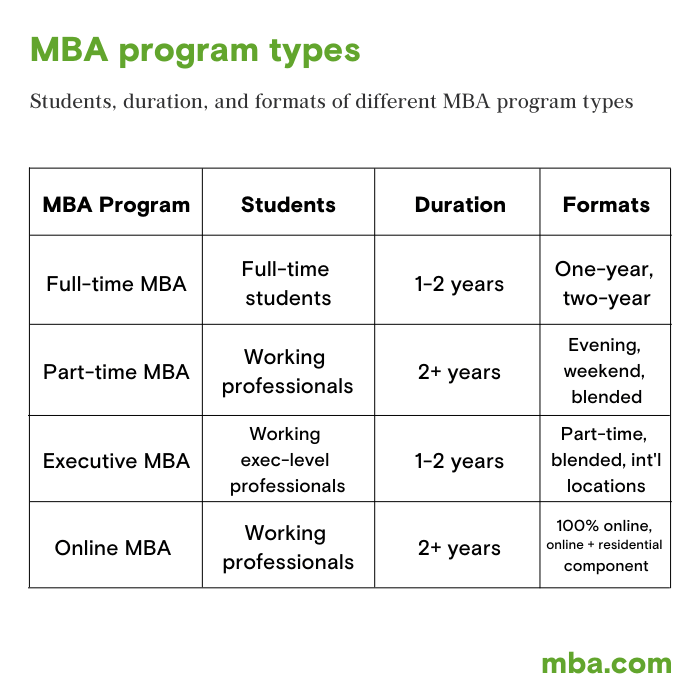
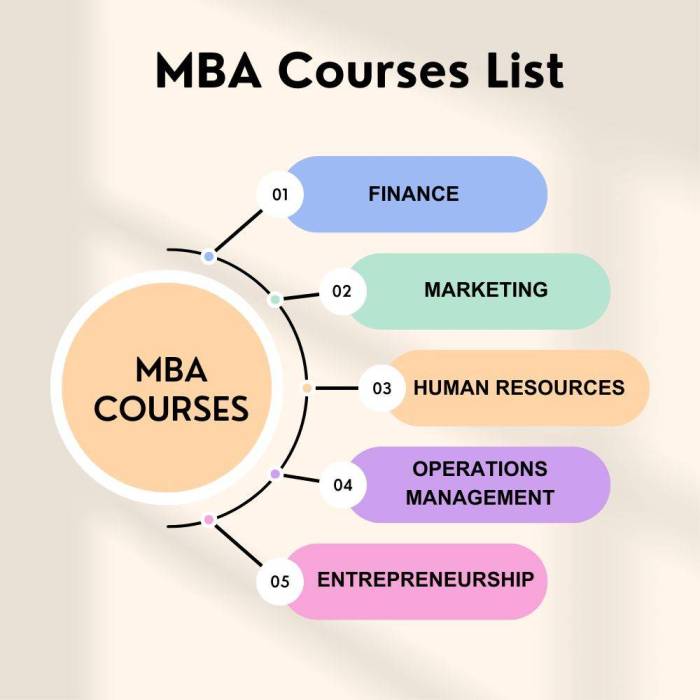
MBA programs are designed to equip students with a robust understanding of business principles, managerial skills, and strategic thinking required to succeed in the corporate world. These programs typically span one to two years and encompass a combination of core courses and electives, allowing students to tailor their education to their career aspirations.The structure of MBA programs generally includes foundational courses in finance, marketing, operations, human resources, and entrepreneurship.
Students are also encouraged to engage in group projects, case studies, and internships, which provide real-world experience and practical insights into business operations. Furthermore, many institutions offer a variety of specializations that enable students to focus on particular fields of interest.
Specializations in MBA Programs, MBA Study Guide
MBA programs offer a diverse range of specializations to cater to various career paths and industries. These specializations allow students to gain in-depth knowledge and expertise in areas that align with their professional goals. Some common specializations include:
- Finance: Focuses on investment management, financial analysis, and corporate finance strategies. Graduates often pursue careers in financial consulting, banking, or investment firms.
- Marketing: Emphasizes brand management, consumer behavior, and digital marketing strategies. This specialization prepares students for careers in advertising, market research, and brand management.
- Operations Management: Centers on supply chain management, logistics, and production efficiency. Graduates typically find roles in manufacturing, service operations, and project management.
- Human Resources: Covers topics like talent management, organizational behavior, and employee relations. This specialization is ideal for those looking to enter HR management or consultancy.
- Entrepreneurship: Designed for aspiring entrepreneurs, this specialization focuses on business development, venture capital, and innovation strategies.
Benefits of Obtaining an MBA Degree
Pursuing an MBA degree offers numerous advantages that can significantly impact an individual’s career trajectory and personal development. Some key benefits include:
- Enhanced Career Opportunities: An MBA can open doors to higher-level management positions and increase job market competitiveness.
- Higher Earning Potential: MBA graduates often command higher salaries compared to their peers without an advanced degree, reflecting the value of the skills they acquire.
- Expanded Professional Network: MBA programs provide access to a diverse network of alumni and industry professionals, facilitating valuable connections and collaborations.
- Development of Leadership Skills: The emphasis on teamwork, leadership, and strategic thinking prepares graduates to take on leadership roles in their organizations.
- Global Perspective: Many MBA programs include international business courses and opportunities for study abroad, equipping students with a broader understanding of the global market.
“An MBA degree not only enhances knowledge but also transforms career trajectories.”
MBA Study Materials
MBA students have a plethora of study materials at their disposal, which play a crucial role in their academic journey. The right resources can help deepen understanding, enhance learning, and improve performance in various subjects. From textbooks to online platforms, students can find tools that cater to different learning styles and needs.
Essential Textbooks and Resources
Textbooks form the backbone of MBA study materials, providing foundational knowledge and insights in various domains. Here are some essential titles that every MBA student should consider:
- “Principles of Marketing” by Philip Kotler: A comprehensive guide covering the fundamentals of marketing strategy and consumer behavior.
- “Corporate Finance” by Stephen Ross, Randolph Westerfield, and Jeffrey Jaffe: A widely-used textbook that explores financial decision-making processes and corporate financial management.
- “Operations Management” by William J. Stevenson: This book offers a thorough examination of operations management strategies and practices, crucial for all business leaders.
- “Strategic Management: Concepts and Cases” by Fred R. David: A key resource on strategic planning and analysis, emphasizing real-world applications.
- “The Lean Startup” by Eric Ries: Focuses on innovative business practices and the importance of adaptability in entrepreneurship.
Each of these books provides valuable frameworks and theories that support academic learning and practical application in real-world scenarios.
Online Courses and Platforms
The digital age has transformed the way students access education, making online courses a vital resource for MBA learners. Several platforms offer specialized courses that complement traditional learning. Noteworthy platforms include:
- Coursera: Collaborates with universities to provide courses in various MBA subjects, allowing students to learn at their own pace.
- edX: Offers a range of MBA-related courses from leading institutions, enabling students to gain insights from industry experts.
- LinkedIn Learning: Features courses focused on professional skills, such as leadership, negotiation, and project management.
- Khan Academy: While not MBA-specific, it offers foundational courses in finance and economics which can be beneficial.
These platforms not only provide flexibility in learning but also allow students to explore niche topics and enhance their skill sets beyond the classroom environment.
Benefits of Study Groups and Peer Collaboration
Collaborative learning through study groups can significantly enhance the MBA experience. Engaging with peers fosters a supportive environment that can lead to deeper comprehension of complex topics.
“Collaboration with peers not only strengthens learning but also builds a network of future business leaders.”
Key benefits of participating in study groups include:
- Diverse Perspectives: Students benefit from the varied viewpoints and experiences of their peers, enriching discussions and broadening understanding.
- Accountability: Regular meetings encourage participants to stay on track with their studies and complete assignments in a timely manner.
- Resource Sharing: Group members can exchange notes, textbooks, and study materials, ensuring that everyone has access to valuable resources.
- Improved Problem-Solving: Tackling case studies or complex problems as a group can lead to innovative solutions and enhanced critical thinking skills.
- Networking Opportunities: Building relationships with classmates can lead to valuable professional connections in the future.
Exam Preparation Strategies
Effective exam preparation is crucial for MBA students aiming to excel in their studies and future careers. Developing a solid strategy that encompasses time management, structured study schedules, and practical application of knowledge can significantly enhance understanding and retention of course material.
Time Management Techniques for Studying
Efficient time management is a cornerstone of successful exam preparation. Implementing strategies that optimize study time can lead to better results and reduced stress.
- Prioritize tasks based on deadlines and difficulty levels, ensuring that the most challenging subjects receive ample attention.
- Use the Pomodoro Technique, which involves studying for 25 minutes followed by a 5-minute break, to maintain focus and prevent burnout.
- Set specific, measurable goals for each study session to track progress and stay motivated.
- Limit distractions by creating a dedicated study environment that is free from interruptions, such as phone notifications or other digital distractions.
Creating a Study Schedule
A well-structured study schedule facilitates effective learning by allocating time to key subjects and topics. This helps in balancing coursework and preparing for exams.
- Begin by listing all subjects and their respective topics, assigning more time to challenging areas.
- Incorporate regular review sessions to reinforce learning and assess understanding, ideally scheduled weekly.
- Make adjustments to the schedule as needed, allowing flexibility for unexpected commitments or areas requiring additional focus.
- Consider using digital tools or planners to visualize the study plan and set reminders for important deadlines.
Practicing Case Studies and Real-World Applications
Engaging with case studies and real-world applications reinforces theoretical knowledge and develops critical thinking skills essential for MBA students.
- Analyze case studies relevant to your coursework, focusing on identifying key issues, developing solutions, and understanding the implications of decisions made.
- Participate in group discussions to gain different perspectives and enhance comprehension of complex scenarios.
- Simulate real-world business situations through role-playing exercises, which can provide practical insights and foster decision-making skills.
- Seek out internships or project-based learning opportunities that allow for the application of classroom knowledge in practical settings.
“Success is where preparation and opportunity meet.”
Bobby Unser
Essential Skills for MBA Students
The journey through an MBA program is not solely about acquiring knowledge; it’s also about cultivating essential skills that will benefit students in their careers. Mastering these skills can significantly enhance employability and effectiveness in the workplace, enabling students to navigate the complexities of modern business environments.Leadership and teamwork skills are paramount in the realm of business. Effective leaders inspire their teams, driving motivation and promoting a vision.
Teamwork, on the other hand, fosters collaboration and taps into diverse perspectives, enhancing problem-solving capabilities. MBA programs emphasize these skills through group projects and case studies, allowing students to learn the nuances of leading teams and working collaboratively toward common goals.
Critical Thinking and Analytical Skills
Critical thinking and analytical skills are vital for making informed decisions and solving complex problems. MBA students must develop the capacity to dissect information, identify assumptions, and evaluate arguments. These skills enable them to assess market trends, understand financial data, and make strategic recommendations. For instance, a study from the Harvard Business Review highlights that companies with strong analytical capabilities outperform their competitors by a significant margin.
Soft Skills That Enhance Workplace Effectiveness
In addition to technical expertise, a range of soft skills is essential for thriving in the workplace. These skills complement hard skills and improve interaction and collaboration among colleagues. Below is a list of soft skills that MBA students should focus on developing:The cultivation of these skills not only enhances personal effectiveness but also contributes to a positive organizational culture.
- Emotional Intelligence: Understanding and managing emotions in oneself and others fosters better interpersonal relationships.
- Communication: Strong verbal and written communication skills facilitate clearer messaging and effective collaboration.
- Adaptability: The ability to adjust to changing circumstances and environments is crucial in a dynamic business landscape.
- Conflict Resolution: Skills in mediating disputes and finding mutually beneficial solutions are invaluable in team settings.
- Networking: Building and maintaining professional relationships can open doors to opportunities and support career growth.
Cultivating these essential skills equips MBA students to emerge as effective leaders and valuable team members, ready to tackle the challenges of today’s business world.
Networking and Career Opportunities
Building a robust professional network while pursuing an MBA is essential for enhancing career prospects and navigating the competitive job market. The relationships you cultivate during your studies can open doors to opportunities that may not be widely advertised. Moreover, internships serve as an invaluable bridge between academic learning and real-world application, significantly influencing post-MBA job placements.
Strategies for Building a Professional Network
Creating a strong network requires proactive engagement and strategic efforts throughout your MBA program. Here are several effective strategies to consider:
- Attend Networking Events: Participate in industry conferences, workshops, and networking meetups organized by your university or external professional organizations. These events provide a platform to meet industry professionals and fellow students.
- Utilize LinkedIn: Maintain an updated LinkedIn profile and connect with peers, professors, and industry leaders. Regularly share insightful articles or updates related to your field to keep your network engaged.
- Join Student Organizations: Become an active member of relevant student clubs or associations. These groups often host events that allow you to meet like-minded individuals and industry professionals.
- Engage with Faculty: Build relationships with your professors and mentors. They often have extensive networks and can provide valuable introductions.
- Participate in Group Projects: Collaborate with fellow students on projects, as this not only builds camaraderie but also expands your contacts within your cohort.
The Role of Internships in Job Placements
Internships play a critical role in bridging the gap between theoretical knowledge and practical experience. Engaging in internships during your MBA offers numerous benefits:
- Real-World Experience: Internships provide hands-on experience in your field of interest, allowing you to apply classroom learning to real business challenges.
- Skill Development: Gain essential skills and industry-specific knowledge that enhance your employability and make you a more attractive candidate to future employers.
- Networking Opportunities: Internships allow for direct interaction with professionals in your field, creating opportunities to build relationships that can lead to job offers.
- Enhanced Resume: Having internship experience on your resume signals to potential employers that you possess practical skills and a commitment to your professional development.
- Potential for Full-Time Job Offers: Many companies use internships as a pathway to identify and recruit top talent, often extending full-time offers to successful interns.
Leveraging Alumni Connections for Career Advancement
Alumni networks are a powerful resource for MBA students seeking to advance their careers. Engaging with alumni can provide insights and opportunities that are not readily available elsewhere.
- Access to Job Opportunities: Alumni often share job openings within their organizations or industries, helping you tap into the hidden job market.
- Mentorship: Establishing relationships with alumni can lead to mentorship opportunities, where they can provide guidance and advice based on their own career experiences.
- Industry Insights: Alumni can offer valuable insights into industry trends and best practices, helping you make informed career decisions.
- Networking Events: Attend alumni networking events or webinars to connect with graduates who share similar backgrounds or interests.
- Collaboration Opportunities: Building relationships with alumni can lead to potential collaborations or partnerships that can benefit both parties professionally.
Financial Considerations for MBA Students

Source: studies-overseas.com
Navigating the financial landscape while pursuing an MBA can be daunting but understanding the available financing options, the cost dynamics between different program types, and the potential return on investment (ROI) can make it much easier. Here, we will explore various aspects of financing an MBA, comparing traditional and online programs, and the financial benefits that come with obtaining this advanced degree.
Financing Options for an MBA
Financing an MBA is critical for many students, and there are several avenues to consider. Loans and scholarships are among the most common options available, each with its own implications on a student’s financial future.
- Federal Loans: These are government-backed loans with typically lower interest rates and more flexible repayment plans compared to private loans. The Direct Unsubsidized Loan and Grad PLUS Loan are popular choices for graduate students.
- Private Loans: Offered by banks and credit unions, these loans may have higher interest rates but can be beneficial for covering tuition costs and living expenses. Borrowers should carefully compare terms and conditions.
- Scholarships and Grants: Many business schools offer merit-based scholarships that can significantly reduce tuition costs. Researching and applying for these opportunities can alleviate financial burdens.
- Employer Sponsorship: Some employers offer financial assistance for employees pursuing an MBA as part of professional development. This often comes with the expectation of continued employment post-graduation.
Cost-effectiveness of Online versus Traditional Programs
The financial commitment required for MBA programs can vary significantly between online and traditional formats. Each option comes with its own set of costs and benefits that can influence a student’s decision.
- Tuition Costs: Online programs often have lower tuition rates than traditional programs, providing an affordable alternative without sacrificing educational quality. Many online programs also eliminate commuting and housing costs.
- Flexible Schedules: Online programs allow students to work while studying, potentially mitigating lost income during their studies. This flexibility can lead to a more favorable work-life balance.
- Networking Opportunities: Traditional programs may offer more in-person networking opportunities, which can be invaluable for career advancement. However, many online programs are now incorporating virtual networking events.
- Accreditation: Students should ensure that any program, whether online or traditional, is accredited. Accreditation can impact job prospects and the overall value of the degree.
Potential Return on Investment after Completing an MBA
Investing in an MBA can yield significant returns, but understanding the expected ROI is essential for prospective students. An analysis of salary increases, career advancement, and personal growth can provide insights into the financial benefits of obtaining this degree.
- Salary Increase: Graduates with an MBA often see substantial salary increases compared to their pre-MBA earnings. For instance, according to the Graduate Management Admission Council (GMAC), the median salary for MBA graduates can exceed $115,000, depending on the industry.
- Career Advancement: An MBA can open doors to higher management positions and increased job responsibilities. This can lead to promotions and roles that offer leadership opportunities.
- Diverse Career Options: MBA graduates can pursue various career paths, including finance, consulting, marketing, and entrepreneurship. This versatility can contribute to long-term career satisfaction and financial stability.
- Alumni Networks: The connections made during an MBA program can lead to job opportunities that are not publicly advertised, enhancing the overall value of the degree.
Research and Thesis Writing
Research and thesis writing is a significant component of MBA programs, as it allows students to explore specific areas of interest within business management. This process not only contributes to academic knowledge but also enhances critical thinking and analytical skills. Crafting a successful thesis requires careful planning, thorough research, and a structured writing approach.Conducting research for an MBA thesis involves several systematic steps that guide students through the process.
First, it’s essential to define the research question, which directs the focus of the study. Next, students should conduct a literature review to understand existing research and identify gaps. Once the gap is identified, the research design must be developed, outlining the methodology and data collection methods. After gathering data, analysis is performed, leading to the interpretation of the findings.
Finally, the thesis is compiled and formatted according to academic standards.
Guidelines for Selecting a Thesis Topic
Choosing a relevant and impactful thesis topic is crucial for an engaging research experience. The topic should not only resonate with personal interests but also address a significant issue within the field of business. Here are some guidelines to consider when selecting a topic:
- Identify personal interests and strengths in business subjects to ensure passion and commitment to the research.
- Examine current trends and issues in the industry to find a topic that is timely and relevant.
- Consult with faculty or industry professionals for insights and feedback on potential topics.
- Consider the availability of resources for research, including data sources and literature.
- Ensure that the topic allows for original contributions to the field, focusing on gaps in existing research.
Key Components of Writing a Successful Thesis
Writing a successful thesis requires attention to various key components that collectively contribute to a well-structured document. These components can be organized into several categories:
- Introduction: Present the research question, objectives, and significance of the study.
- Literature Review: Summarize existing research relevant to the thesis topic, highlighting gaps and controversies.
- Methodology: Describe the research design, including qualitative or quantitative approaches, data collection techniques, and analysis methods.
- Results: Clearly present the findings of the research, utilizing tables, charts, and graphs where necessary.
- Discussion: Interpret the results, discussing implications for theory and practice, and how they relate to the research question.
- Conclusion: Summarize the overall findings and suggest areas for future research.
- References: Use proper citation formats to list all sources utilized in the research.
“A well-crafted thesis not only demonstrates mastery of a topic but also contributes new knowledge to the field of business management.”
Work-Life Balance for MBA Students
Source: mbastack.org
MBA programs are known for their rigorous coursework, networking opportunities, and challenging exams, which can create a stressful environment for students. Balancing academic responsibilities, professional commitments, and personal life can often feel overwhelming. However, it is crucial for MBA students to implement strategies that promote well-being and manage stress effectively. This section will explore various approaches to maintaining a healthy work-life balance while excelling in an MBA program.
Strategies for Managing Stress and Maintaining Well-Being
Effective stress management techniques are essential for students navigating the demands of an MBA program. Incorporating mindfulness practices, such as meditation and yoga, can significantly enhance mental clarity and reduce anxiety. Additionally, physical activity is vital; regular exercise not only boosts mood but also helps clear the mind.To develop resilience against stress, students can utilize the following strategies:
- Set Realistic Goals: Break down larger tasks into manageable chunks to avoid feeling overwhelmed.
- Practice Mindfulness: Engage in techniques that focus on the present moment to decrease anxiety and enhance concentration.
- Seek Support: Build a network of peers, mentors, and counselors for emotional support and advice.
- Prioritize Self-Care: Allocate time for hobbies and relaxation to recharge mentally and physically.
Balancing Studies, Work, and Personal Commitments
Finding equilibrium between studies, work, and personal life is essential for sustaining motivation and achieving academic success. Time management and prioritization are key factors in maintaining this balance. Students should assess their commitments and create a structured schedule that allocates dedicated time for each responsibility.Consider implementing the following methods to enhance balance:
- Utilize a Planner: Keep track of deadlines, meetings, and personal commitments in a planner to visualize your time effectively.
- Establish Boundaries: Clearly define working hours and study periods to prevent overlap and maintain focus.
- Communicate Effectively: Keep family and employers informed about your academic schedule to foster understanding and support.
- Embrace Flexibility: Adapt to changes in priorities while maintaining focus on essential tasks.
Methods for Time Management to Ensure Academic Success
Time management is pivotal for MBA students who juggle multiple responsibilities. Adopting effective time management techniques can significantly enhance productivity and academic achievements. Implementing methods like the Pomodoro Technique, which involves working in intervals followed by short breaks, can optimize focus and retention.Here are several time management techniques to consider:
- Prioritize Tasks: Use tools like the Eisenhower Matrix to distinguish between urgent and important tasks, directing energy towards what matters most.
- Set Time Limits: Allocate specific time slots for each task to prevent procrastination and enhance efficiency.
- Review and Adjust: Regularly evaluate your progress and be willing to adjust your schedule as needed to stay on track.
- Leverage Technology: Use apps or digital tools for task management and reminders to streamline your workflow.
Final Wrap-Up

Source: edu.pl
In summary, the MBA Study Guide serves as a comprehensive resource that highlights key elements of pursuing an MBA, ensuring students are well-prepared for both academic and career challenges. By leveraging the strategies and insights shared throughout this guide, you can enhance your learning experience, develop critical skills, and establish a strong foundation for your future. Remember, your MBA journey is not just about obtaining a degree; it’s about shaping your professional identity and achieving your career aspirations.
Essential FAQs: MBA Study Guide
What is the duration of an MBA program?
Most MBA programs typically last between one to two years, depending on whether you choose full-time or part-time options.
Are online MBA programs as valuable as traditional ones?
Yes, many online MBA programs are accredited and offer the same curriculum as traditional programs, providing similar career opportunities.
How important are networking opportunities during an MBA?
Networking is crucial; it can lead to internships, job placements, and valuable connections in your industry.
Can I pursue an MBA while working full-time?
Absolutely! Many MBA programs are designed for working professionals and offer flexible schedules.
What should I consider when choosing an MBA specialization?
Consider your career goals, interests, and the demand in the job market when selecting a specialization.