Top MBA Programs In Europe Your Path to Global Success
Top MBA Programs In Europe sets the stage for this enthralling narrative, offering readers a glimpse into a transformative educational experience that is both prestigious and diverse. European MBA programs are renowned for their rigorous academic standards, rich cultural environments, and distinct approaches that set them apart from their counterparts in other regions. Pursuing an MBA in Europe not only enhances one’s professional skills but also opens doors to a vast network of international opportunities.
Overview of MBA Programs in Europe
MBA programs in Europe are designed to equip aspiring business leaders with the essential knowledge and skills needed to excel in a competitive global marketplace. These programs typically cover a range of topics, including finance, marketing, operations, and strategic management. Students engage in both theoretical and practical learning, often through case studies, group projects, and internships. The emphasis is not just on academic excellence, but also on developing leadership qualities and fostering a global perspective.Pursuing an MBA in Europe holds significant value for students aiming to broaden their career prospects.
European countries boast some of the world’s most prestigious business schools, offering robust curricula that are often recognized internationally. The multicultural environment of Europe, with its diverse student bodies and faculty, enhances the learning experience by providing various perspectives on global business challenges. Furthermore, many European MBA programs have strong ties with renowned companies, facilitating networking opportunities and potential job placements.
Unique Aspects of European MBA Programs
European MBA programs distinguish themselves from those in other regions through several unique features that enhance their appeal. These characteristics include:
- Diverse Curriculum: European MBA programs often incorporate a strong international focus, integrating global case studies and multi-national business strategies that prepare students for careers in varied markets.
- Shorter Duration: Many European MBA programs are one-year courses, allowing students to enter the workforce more quickly than the traditional two-year programs commonly found in the United States.
- Multicultural Environment: With a rich tapestry of cultures represented, students gain firsthand experience in international collaboration, which is crucial in today’s globalized economy.
- Language Opportunities: Programs in Europe frequently offer courses in multiple languages, providing students with the chance to enhance their language skills, which is a significant advantage in the global business landscape.
- Strong Focus on Sustainability: Many European MBA programs emphasize sustainability and corporate social responsibility, reflecting the continent’s commitment to ethical business practices and environmental stewardship.
The integration of these aspects into the MBA experience not only enriches the educational journey but also prepares graduates to navigate the complexities of the global business environment successfully. The emphasis on practical experiences, such as internships and consulting projects, further strengthens students’ readiness for real-world challenges, making European MBA programs highly regarded worldwide.
Top Institutions Offering MBA Programs
The landscape of MBA programs in Europe is vibrant and diverse, with numerous prestigious institutions that draw students from around the globe. These universities not only offer a robust educational experience but also enhance students’ career prospects through extensive networks and career support services. Let’s explore some of the top institutions known for their exceptional MBA programs.
Leading European Universities for MBA
When considering an MBA program, it’s essential to understand the history, reputation, and ranking criteria of the institutions. Below are some of the most reputable universities in Europe that are renowned for their MBA offerings.
- INSEAD
-Founded in 1959, INSEAD is commonly referred to as “the business school for the world.” With campuses in France and Singapore, it is known for its diverse international environment and a one-year MBA program that is highly competitive. INSEAD consistently ranks among the top MBA programs globally due to its rigorous curriculum and strong alumni network. - London Business School (LBS)
-Established in 1964, LBS is located in one of the world’s financial capitals. The school’s MBA program is distinguished by its emphasis on leadership and entrepreneurship. LBS often appears in top rankings, praised for its close ties with the business community and high employability rates for graduates. - IE Business School
-Situated in Madrid, IE is known for its innovative approach to business education and its focus on entrepreneurship. The school offers a variety of MBA options, including full-time, part-time, and a Global MBA. IE has received high rankings for its international environment and experiential learning opportunities. - Università Bocconi
-Founded in 1902, Bocconi University in Milan is one of the oldest business schools in Europe. It offers a highly regarded MBA program that emphasizes analytical rigor and practical application. Bocconi is consistently ranked among the best institutions for business education in Europe. - ESSEC Business School
-With a history dating back to 1907, ESSEC has a strong reputation for its innovative curriculum and global perspective. The school offers a variety of MBA programs, including a Global MBA that allows for international exchanges. ESSEC frequently ranks highly for its emphasis on values-driven management education.
The rankings of these institutions are based on various criteria, including academic reputation, employer reputation, faculty quality, and student satisfaction. These factors contribute significantly to the overall perception of the institutions within the global education landscape. Leading publications and organizations, such as the Financial Times and QS, publish annual rankings that provide insights into the competitiveness and prestige of MBA programs across Europe.
“The quality of an MBA program is often reflected in its alumni outcomes and employment statistics, making rankings an essential consideration for prospective students.”
Program Structure and Curriculum

Source: 1stdibscdn.com
The structure of an MBA program in Europe is designed to provide a comprehensive educational experience that balances theoretical knowledge with practical application. Typically, these programs span one to two years and consist of core courses, elective courses, and opportunities for specialization. The core courses establish a solid foundation in essential business concepts, while electives allow students to tailor their education according to their interests and career goals.The curriculum often features a blend of academic coursework and experiential learning.
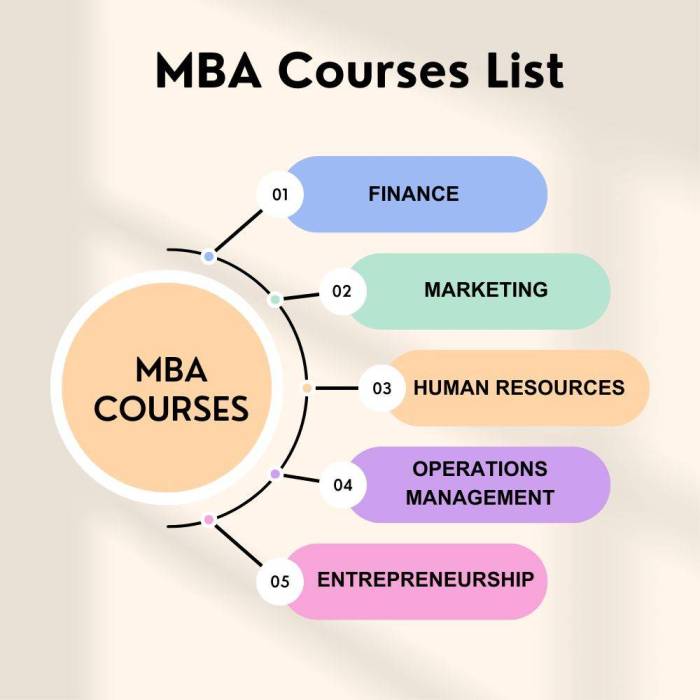
Core courses generally cover topics such as finance, marketing, operations, and strategic management. These foundational subjects are crucial for developing a well-rounded understanding of business practices. Elective courses, on the other hand, enable students to delve deeper into specific areas of interest, enhancing their expertise and adaptability in various business environments.
Core and Elective Courses
Core courses form the backbone of an MBA program, ensuring that all graduates possess a unified base of knowledge. The following are typical core subjects found in many European MBA programs:
- Accounting
- Finance
- Marketing
- Operations Management
- Organizational Behavior
- Strategic Management
Elective courses provide the flexibility to explore specialized topics. Each institution may offer different concentrations; for example:
- International Business: Focuses on global market strategies and cross-cultural management.
- Entrepreneurship: Emphasizes innovation and startup development.
- Sustainability: Covers environmental management and corporate social responsibility.
- Digital Marketing: Explores online marketing strategies and technology use in business.
Specialized Tracks and Concentrations
Various institutions in Europe offer unique tracks or concentrations, allowing students to hone specific skills relevant to their desired career paths. Some examples include:
- Finance Specialization at INSEAD: Prepares students for high-level roles in investment banking and financial management.
- Consulting Track at London Business School: Focuses on consultancy skills and project management, ideal for aspiring consultants.
- Healthcare Management at ESADE: Targets the intersection of healthcare and business, relevant for those looking to work in the medical field.
Importance of Practical Experiences
Practical experiences, such as internships and consulting projects, play a vital role in the curriculum of MBA programs. These hands-on opportunities allow students to apply their theoretical knowledge in real-world scenarios, enhancing their learning and employability.Internships provide invaluable exposure to corporate environments, enabling students to understand workplace dynamics and network within their industry. Consulting projects often involve solving actual business problems for companies, allowing students to demonstrate their skills while contributing meaningful insights.
“Real-world experience is crucial for bridging the gap between classroom theory and practical application in the business world.”
Many universities encourage students to pursue such experiences, often integrating them as mandatory components of the curriculum. This focus on practical learning not only enriches the educational experience but also significantly boosts graduates’ chances of success in the competitive job market.
Admission Requirements and Processes
When considering an MBA program in Europe, understanding the admission requirements and process is crucial. Each institution has its own set of criteria, but there are common elements that prospective students should be aware of to ensure a smooth application process.The application process for MBA programs typically starts well before the intended enrollment date. It involves gathering various documents, meeting specific deadlines, and preparing for assessments that may influence admission decisions.
Here’s an overview of what you can expect during this journey.
Common Admission Requirements
Most European MBA programs share several key admission requirements that applicants must fulfill. These include educational background, work experience, and standardized test scores. Here are the typical components:
- Educational Qualifications: A bachelor’s degree or its equivalent from an accredited institution is usually required. Some programs may accept significant professional experience in lieu of formal education.
- Work Experience: Many institutions prefer candidates with relevant work experience, often ranging from 2 to 5 years, demonstrating leadership potential and career progression.
- GMAT/GRE Scores: While not all programs require GMAT or GRE scores, many highly ranked schools consider them as part of a holistic review process. A competitive score can significantly enhance an application.
- Language Proficiency: Non-native English speakers must usually provide proof of English proficiency through tests like TOEFL or IELTS, aligning with the program’s language of instruction.
Application Process, Top MBA Programs In Europe
The application process for MBA programs in Europe generally follows several steps, which may vary slightly by institution. Understanding these stages can help streamline the application:
- Research and Selection: Candidates should start by researching different programs to find ones that align with their career goals and interests.
- Prepare Documents: Applicants typically need to gather academic transcripts, a resume, letters of recommendation, and a personal statement or essays. Each of these documents plays a critical role in showcasing the candidate’s suitability.
- Submit Applications: Most universities have specific application deadlines, often set in multiple rounds. It’s essential to be mindful of these dates to ensure timely submission.
- Interviews: After initial reviews, shortlisted candidates may be invited for an interview, either in-person or online. This step is crucial as it gives the admissions committee insight into the candidate’s personality and motivations.
Importance of GMAT/GRE Scores, Essays, and Interviews
The application components such as GMAT/GRE scores, essays, and interviews are significant in the selection process. Each element contributes uniquely to the overall evaluation:
- GMAT/GRE Scores: These standardized test scores help demonstrate a candidate’s quantitative and analytical abilities, which are essential for success in MBA programs. Many top schools have average accepted scores that prospective students should aim for.
- Essays: Personal statements and essays allow candidates to express their motivations, career aspirations, and unique qualities. This narrative is crucial for making a memorable impression on the admissions committee.
- Interviews: Interviews provide a platform for candidates to articulate their experiences and ambitions while allowing admissions officers to assess their communication skills and fit with the program.
“A well-rounded application emphasizes not only academic credentials but also personal experiences, aspirations, and professional achievements.”
Costs and Financial Considerations

Source: betimate.com
Pursuing an MBA in Europe can be a significant financial commitment. Understanding the costs associated with top programs, as well as potential funding options, is essential for prospective students. This section provides an overview of tuition fees, additional expenses, and available financial aid resources to help you navigate your financial planning for an MBA.
Tuition Fees for Top MBA Programs
Tuition fees for MBA programs in Europe can vary widely depending on the institution and location. On average, students can expect to pay anywhere from €30,000 to €100,000 for the duration of their MBA. Here are some examples of tuition fees from prestigious institutions:
- INSEAD: Approximately €89,000 for a one-year program.
- London Business School: Around £92,735 (approximately €108,000) for a 15-21 month program.
- IE Business School: Tuition fees are approximately €70,200 for a one-year MBA.
- ESMT Berlin: Fees are around €43,500 for the MBA program.
- Università Bocconi: Approximately €53,000 for a two-year program.
These figures reflect the tuition costs but do not encompass the total financial investment required for an MBA.
Additional Costs
Beyond tuition, students should consider additional costs that can impact their overall budget. These expenses may include accommodation, meals, transportation, books, and materials. It’s important to budget for the following items:
- Living Expenses: On average, living costs can be between €1,000 to €2,500 per month, depending on the city. Major cities like London and Paris tend to be on the higher end of this scale.
- Books and Materials: Expect to spend around €1,500 to €3,000 per year on textbooks, software licenses, and other essential materials.
- Health Insurance: Depending on the country, this can range from €500 to €1,500 annually.
- Travel and Networking: Participating in conferences and networking events may require an additional budget of €1,000 to €2,000.
These costs can accumulate quickly, emphasizing the need for thorough financial planning.
Scholarships and Financial Aid
Many European business schools offer various financial support options to help students manage their expenses while pursuing an MBA. Scholarships, grants, and other forms of financial aid can make a significant difference.It’s beneficial for students to explore the following:
- Merit-based Scholarships: Many institutions award scholarships based on academic achievements or professional accomplishments. Examples include the Dean’s Scholarship at London Business School and the IE Global Leaders Scholarship.
- Need-based Financial Aid: Some programs offer financial assistance based on the student’s financial situation, such as the Financial Aid Program at INSEAD.
- External Scholarships: Organizations and foundations often provide scholarships for international students pursuing MBAs in Europe. Notable examples include the Erasmus Mundus program and the Fulbright Program.
- Student Loans: Many students consider loans as a funding option. European banks and financial institutions may offer specialized loans for MBA students.
Understanding these options can help students alleviate financial burdens and make their MBA journey more manageable.
Career Outcomes and Opportunities: Top MBA Programs In Europe

Source: chicagobotanic.org
Graduates from MBA programs in Europe enjoy diverse and promising career prospects across various sectors. The skills acquired during their studies, such as leadership, strategic thinking, and financial acumen, make them highly sought after by employers worldwide. With a strong network of alumni and connections to industry leaders, MBA graduates are well-equipped to navigate the competitive job market.The demand for MBA graduates is robust, especially in key industries like finance, consulting, technology, and healthcare.
Organizations actively seeking these graduates often look for candidates who can demonstrate both analytical prowess and interpersonal skills. The following industries are particularly notable for hiring MBA graduates:
Key Industries and Organizations Recruiting MBA Graduates
The landscape for MBA graduates in Europe is rich with opportunities, primarily within the following industries:
- Consulting: Firms like McKinsey & Company, Boston Consulting Group, and Bain & Company consistently recruit MBA graduates for their analytical and problem-solving skills.
- Finance: Major banks and financial institutions such as Goldman Sachs, JPMorgan Chase, and Deutsche Bank offer lucrative roles in investment banking, asset management, and corporate finance.
- Technology: Leading tech companies like Google, Amazon, and SAP seek out MBA graduates for positions in product management, strategy, and operations.
- Healthcare: Organizations such as Johnson & Johnson and Novartis are increasingly hiring MBA graduates to navigate the complexities of healthcare management and innovation.
- Consumer Goods: Companies like Unilever and Procter & Gamble look for graduates to drive brand management and marketing initiatives.
The employment statistics for MBA graduates in Europe reflect the strong demand for their skills. According to the Graduate Management Admission Council (GMAC), approximately 70% of European MBA graduates secure employment within three months of graduation. Additionally, salary expectations are competitive, with graduates from top institutions often commanding starting salaries that range from €60,000 to €90,000 annually, depending on their industry and location.
“Data shows that MBA graduates can expect a salary increase of 50% or more within three years post-graduation, solidifying the degree’s value in the current job market.”
Overall, the career outcomes for MBA graduates in Europe are not only favorable but are also expanding, thanks to the evolving demands of the global economy. The blend of academic rigor, practical experience, and networking opportunities positions graduates for long-term success and career advancement in their chosen fields.
Networking and Alumni Relations
Networking plays a pivotal role in the success of MBA graduates, serving as a bridge to career opportunities, mentorship, and professional growth. Establishing connections with peers, faculty, and alumni not only enhances the educational experience but also opens doors to potential collaborations and job placements. The strength of these networks is often reflected in the career trajectories of alumni, who frequently credit their success to the relationships forged during their MBA programs.Institutions recognize the importance of networking and actively facilitate connections between current students and alumni.
This is achieved through various means, such as alumni networking events, mentorship programs, and online platforms that promote engagement and collaboration. By fostering an environment where students can interact with seasoned professionals, schools not only enrich the learning experience but also cultivate a strong community that supports individual and collective success.
Institutional Support for Networking
To ensure that students maximize their networking potential, many institutions implement structured programs aimed at connecting current students with their alumni. These initiatives include:
- Networking Events: Schools often host events where students can meet alumni in relaxed, informal settings, allowing for organic relationship building.
- Mentorship Programs: Pairing students with alumni mentors who provide guidance, share experiences, and offer career advice enhances the learning experience and builds lasting connections.
- Online Platforms: Many institutions have created dedicated online platforms or social media groups that facilitate ongoing communication and networking between current students and alumni.
- Industry Panels and Guest Lectures: Inviting alumni to speak on industry trends and share insights helps current students gain perspective while simultaneously networking with successful professionals.
Successful alumni often become influential leaders across various sectors, showcasing the far-reaching impact of their MBA experience. For instance, alumni from top European MBA programs have gone on to hold significant positions in multinational corporations, startups, and non-profits. Notable examples include:
- Mark Thompson (INSEAD): Former CEO of The New York Times Company, Thompson has made a substantial impact on media and journalism, driving innovation in digital content.
- Hannah K. (London Business School): A leading figure in sustainable finance, Hannah has pioneered green investment strategies that influence global markets.
- David M. (IE Business School): As the founder of a successful tech startup, David has contributed to the growth of the entrepreneurial ecosystem in Europe.
These examples illustrate how alumni networks not only support individual career aspirations but also contribute to the broader economic landscape, reinforcing the value of strong relationships cultivated during MBA programs.
Cultural and International Aspects
European MBA programs are renowned for their diverse and multicultural environments, offering students a unique opportunity to engage with peers from various backgrounds. This rich tapestry of cultures not only enhances the learning experience but also prepares graduates for the increasingly globalized business world. With a focus on collaboration and inclusivity, these programs foster an atmosphere where different perspectives are valued, encouraging students to think critically and creatively.The international exposure provided by studying in Europe significantly enriches the academic journey.
Students have the chance to collaborate on projects, participate in case studies, and engage in discussions that reflect real-world business challenges across various regions. Such interactions cultivate a deeper understanding of global markets and business practices, equipping graduates with the skills needed to navigate the complexities of international commerce.
Multicultural Environment and Global Perspectives
The multicultural environment within European MBA programs is a decisive factor in shaping well-rounded business leaders. By connecting with classmates from diverse cultures, students gain first-hand insights into different business etiquettes, consumer behaviors, and market dynamics. This exposure is critical, as it allows students to develop:
- Cultural Intelligence: Understanding and adapting to various cultural contexts enhances communication and negotiation skills, which are essential in global business interactions.
- Networking Opportunities: Building relationships with an international cohort opens doors to a vast network of professionals and potential business partners across the globe.
- Collaborative Learning: Diverse teams foster innovative problem-solving and provide a broader range of ideas and solutions, enhancing the overall learning experience.
Language skills and cultural awareness are indispensable in today’s business landscape. The ability to communicate in multiple languages not only facilitates better relationships with international clients but also demonstrates commitment to understanding their cultures. European MBA programs often emphasize the importance of language acquisition, with many institutions offering language courses and immersive experiences that contribute to this vital skill set.
By valuing cultural sensitivity alongside academic knowledge, graduates are better equipped to thrive in a competitive global market.
“In a globalized economy, understanding cultural nuances is just as important as mastering business strategies.”
Student Life and Extracurricular Activities
The experience of student life in European MBA programs is vibrant and diverse, offering a rich blend of academic rigor and cultural engagement. Students often find themselves navigating not just their studies but also a lively social landscape that enhances their overall educational journey. This environment fosters connections that extend beyond the classroom, creating a supportive community where ideas and experiences are shared among peers from various backgrounds.Extracurricular activities play a crucial role in shaping the MBA experience.
They provide avenues for personal growth, networking, and skill development that complement academic learning. Engaging in these activities helps students refine their leadership skills, build friendships, and establish professional connections that can benefit their careers.
Common Extracurricular Activities and Clubs
European MBA programs typically offer a wide variety of extracurricular activities that cater to diverse interests. These clubs and organizations enhance the student experience by promoting teamwork, leadership, and networking opportunities. Here are some common types of extracurricular activities available:
- Professional Clubs: These clubs focus on specific industries or career paths, such as finance, marketing, or entrepreneurship. They often host guest speakers, workshops, and networking events to connect students with industry professionals.
- Cultural Clubs: Aimed at celebrating diverse cultures, these clubs organize events, festivals, and cultural exchanges, allowing students to learn from one another and appreciate different perspectives.
- Sports and Fitness Activities: Many programs encourage participation in sports, ranging from soccer to yoga. These activities promote teamwork and healthy living, and often include inter-school tournaments.
- Social Impact Initiatives: Some students engage with local communities through volunteer work or social enterprises. These initiatives foster a sense of responsibility and provide practical experience in addressing societal challenges.
- Alumni Networking Events: Regular events with alumni help current students build valuable connections and gain insights into the job market and industry trends.
Participation in these extracurricular activities is not only enriching on a personal level but also contributes significantly to professional development. Students often remark that the skills gained through club leadership, event organization, and collaboration with diverse groups are as valuable as their academic achievements. By stepping out of their comfort zones, they cultivate resilience, adaptability, and a global mindset—traits highly sought after in today’s competitive job market.
“Extracurricular involvement in MBA programs serves as a critical platform for real-world learning and networking, setting the stage for future success.”
Future Trends in MBA Education
The landscape of MBA education in Europe is evolving rapidly, influenced by various factors including technological advancements and changing job market demands. As business schools adapt, they are incorporating new methodologies and approaches that not only enhance the learning experience but also prepare graduates for the future workforce. This segment explores the emerging trends shaping MBA programs in Europe and how they are responding to the challenges and opportunities in modern business environments.
Emerging Trends in MBA Programs
Several trends are emerging within MBA programs, reflecting the shifting priorities of students and employers alike. The integration of technology into MBA curricula is a significant trend that aligns with the digital transformation across industries. Here are some key trends to consider:
- Increased Focus on Digital Skills: MBA programs are increasingly emphasizing digital literacy, data analytics, and tech-driven business models. Courses are being redesigned to include training in artificial intelligence, machine learning, and big data management.
- Rise of Hybrid Learning Models: The shift towards online and hybrid learning is gaining momentum. Many institutions are offering flexible study options, blending traditional classroom experiences with online learning platforms to accommodate diverse student needs.
- Sustainability and Social Responsibility: As businesses become more conscious of their environmental and social impacts, MBA programs are incorporating sustainability into their curricula, focusing on ethical leadership and corporate responsibility.
- Personalized Learning Experiences: Tailoring education to individual career goals and learning styles is becoming prevalent, with schools offering customizable tracks and electives to meet specific student interests.
Impact of Technology on Traditional MBA Offerings
Technology is fundamentally reshaping how MBA programs are delivered and experienced. Traditional in-person formats are being supplemented or replaced by innovative online learning environments, allowing for greater accessibility and flexibility.
The integration of digital tools in education enhances collaboration, participation, and engagement among students, making learning more interactive.
Key advancements include:
- Online Simulations and Interactive Learning: Many programs now utilize simulations and gamification to provide real-world business scenarios, enabling students to engage in decision-making processes in a virtual environment.
- Access to Global Expertise: Online platforms allow guest lectures and collaborations with industry leaders worldwide, enriching the learning experience with diverse perspectives.
- Data-Driven Decision Making: Technology enables schools to use analytics for improving student performance and optimizing course content based on feedback and engagement metrics.
Changes in Curriculum to Adapt to Evolving Job Market
The future of MBA education is closely tied to the evolving job market, necessitating changes in curriculum design. Business schools are increasingly aligning their programs with the competencies required by employers. This alignment often includes:
- Interdisciplinary Approaches: Combining business education with insights from fields such as technology, psychology, and environmental science prepares graduates for the complexities of modern business challenges.
- Soft Skills Development: Programs are recognizing the importance of communication, teamwork, and emotional intelligence, integrating these skills into the curriculum to enhance leadership capabilities.
- Real-World Projects: Collaborative projects with companies allow students to work on actual business problems, providing practical experience and networking opportunities.
Closing Notes
In conclusion, engaging with the Top MBA Programs In Europe provides a wealth of knowledge that extends beyond academic theory. These programs not only shape future leaders with unparalleled skills and insights but also foster an invaluable network of connections. As the landscape of business continues to evolve, the chance to study in Europe remains a unique and desirable pursuit for aspiring professionals seeking to make their mark in the global arena.
FAQ Compilation
What are the typical duration and format of MBA programs in Europe?
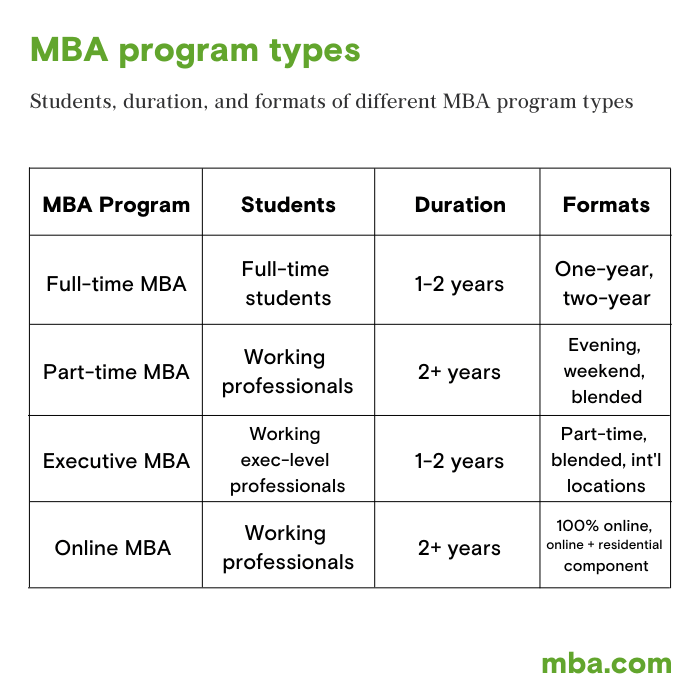
Most MBA programs in Europe last between one to two years and are offered in full-time, part-time, and executive formats, catering to different professional needs.
Are there online MBA options available in Europe?
Yes, many European institutions now offer online MBA programs, allowing students to balance their studies with professional commitments.
How important are language skills in European MBA programs?
Language skills can enhance the learning experience and networking opportunities, as many programs are taught in English but also value multilingual competencies.
What is the typical class size for MBA programs in Europe?
Class sizes can vary but typically range from 30 to 100 students, encouraging personalized attention and collaborative learning.
Can international students easily find jobs in Europe after graduation?
Yes, many European companies actively seek international graduates, especially those with an MBA, due to their diverse perspectives and skills.